
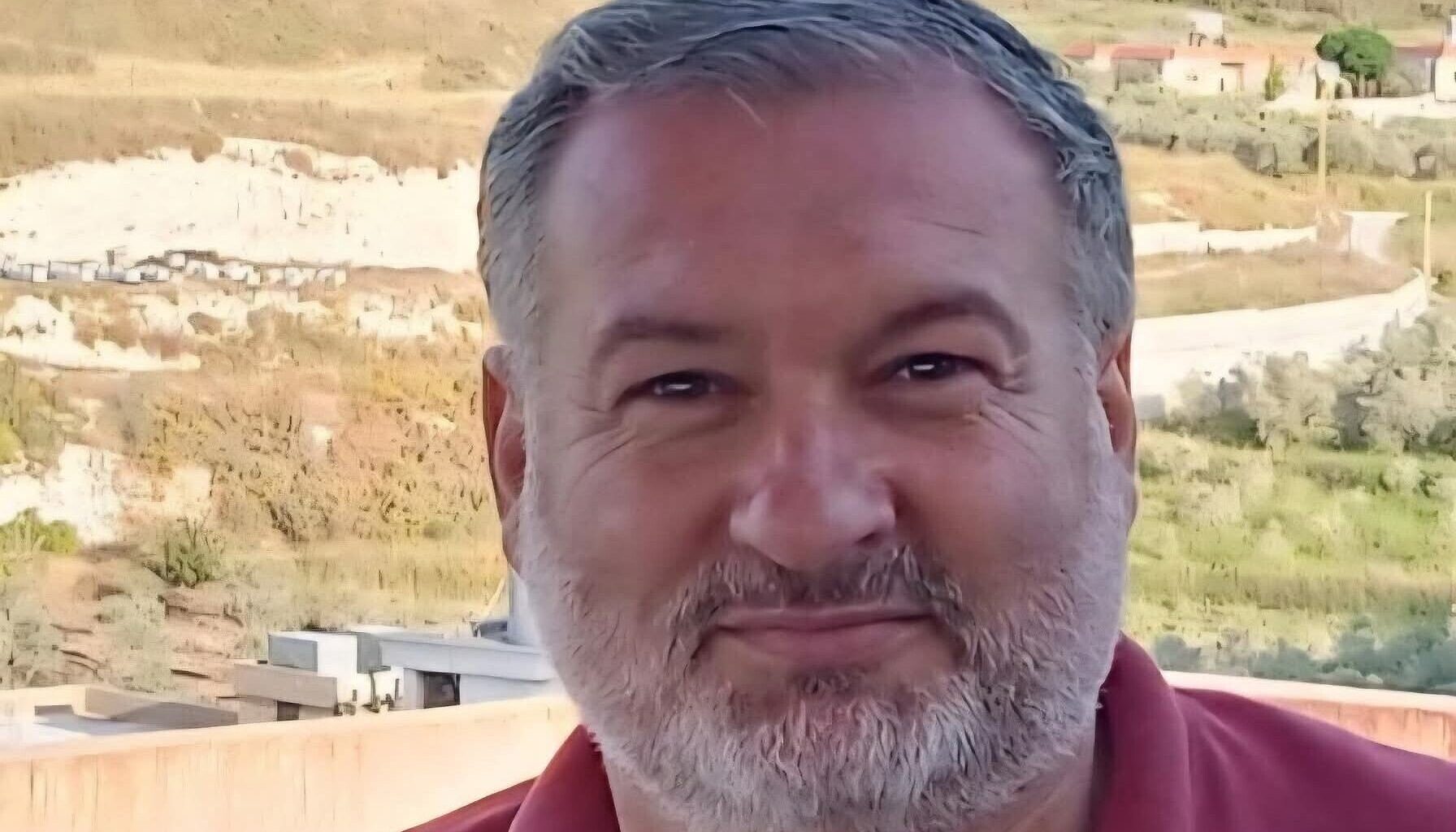
The Israeli Air Force killed Hezbollah’s south Lebanon logistics chief in a drone strike on Friday, the military said, with the Lebanese authorities reporting two people killed in the attack.
Abbas Hassan Karaki was the head of logistics in Hezbollah’s so-called Southern Front, and held other senior roles in the terror group in recent years, the Israel Defense Forces said. He was targeted in a drone strike on a vehicle in the southern town of Toul, near Nabatieh.
Lebanon’s health ministry said the strike killed two people and wounded two others.
According to the military, Karaki’s actions had “constituted a violation of the understandings between Israel and Lebanon” under the November 27 Israel-Hezbollah ceasefire deal, which required the Iran-backed terror group to withdraw from south Lebanon.
“The IDF will continue to act to remove all threats against the State of Israel,” the military said, publishing a three-second clip of the strike targeting Karaki’s car.
Get The Times of Israel’s Daily Edition
by email and never miss our top stories
By signing up, you agree to the terms
According to the IDF, Karaki “led and advanced efforts to rebuild” Hezbollah’s capabilities in southern Lebanon; restored infrastructure that had been destroyed during the fighting last year; and was responsible for “rebuilding the organization’s force structure and managing the transfer and storage of weapons in southern Lebanon.”
חיל-האוויר תקף מוקדם יותר היום, בהובלת פיקוד הצפון, במרחב נבטיה שבדרום לבנון, וחיסל את המחבל עבאס חסן כרכי, מפקד הלוגיסטיקה של מפקדת ‘חזית הדרום’ בארגון הטרור חיזבאללה. pic.twitter.com/V0pdj7s9jP
— Israeli Air Force (@IAFsite) October 24, 2025
According to Lebanese media, Karaki was related to Ali Karaki, the former chief of the Southern Front who was assassinated alongside longtime Hezbollah leader Hassan Nasrallah last year.
المسيّرة الإسرائيلية استهدفت سيارة في #تول – جنوب لبنان pic.twitter.com/Cu39a4tA3U
— هنا لبنان (@thisislebnews) October 24, 2025
The assassination of Karaki came a day after Israel said it carried out strikes across Lebanon against Hezbollah sites, including an arms cache and a training camp, with Lebanese authorities reporting four people killed, including an elderly woman.
Israel on Wednesday also announced the assassination of a platoon commander in Hezbollah’s elite Radwan Force in southern Lebanon, accusing him of moving weapons and working on future attacks.
In both cases, like on Friday, Israel said the target’s presence or actions constituted a violation of the ceasefire.
The ceasefire ended over a year of fighting sparked when Hezbollah, unprovoked, started launching near-daily attacks on Israel on October 8, 2023, a day after fellow Iran-backed terror group Hamas invaded southern Israel, sparking the war in Gaza.
Hezbollah’s attacks displaced some 60,000 residents of northern Israel. Israel escalated operations against Hezbollah in September 2024, decimating the terror group’s leadership and mounting a ground invasion of Lebanon.
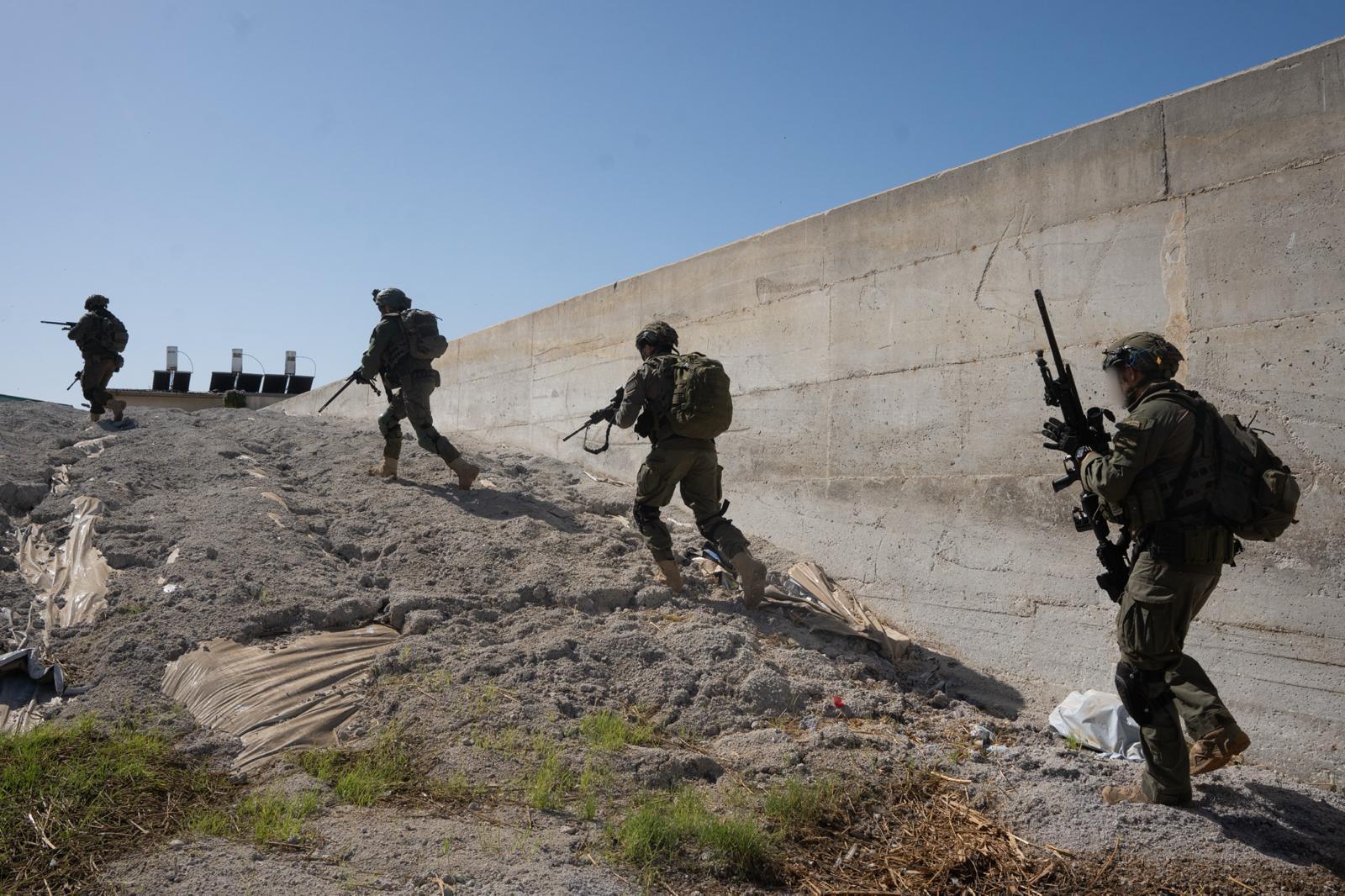
IDF troops conduct a drill along the border with Lebanon, in a handout photo issued on October 24, 2025. (Israel Defense Forces)
The ceasefire that was reached two months later required both Israel and Hezbollah to vacate southern Lebanon, to be replaced by the Lebanese armed forces. Israel has withdrawn from all but five strategic posts along the border.
Since the ceasefire, the IDF has said it has killed over 300 Hezbollah operatives in strikes, hit hundreds of Hezbollah sites, and conducted over 1,000 raids and other small operations in southern Lebanon.
Weakened by the war and still facing regular Israeli strikes, Hezbollah is under internal and international pressure to hand over its weapons, with the Lebanese army having drawn up a plan to disarm it.
Times of Israel staff contributed to this report.
Watch DocuNation Season 3: The Heart of Israel
when you join the ToI Community
Support The Times of Israel’s independent journalism and receive access to our documentary series, DocuNation: The Heart of Israel.

In this season of DocuNation, you can stream eight outstanding Israeli documentaries with English subtitles and then join a live online discussion with the filmmakers. The selected films show Israel beyond the conflict: a place of storytellers and musicians, of dreamers, makers, and communities rooted in meaning and trust.
When you watch DocuNation, you’re also supporting Israeli creators at a time when it’s increasingly difficult for them to share their work globally.
To learn more about DocuNation: The Heart of Israel, click here.
Support ToI and get DocuNation
Support ToI and get DocuNation
Already a member? Sign in to stop seeing this
You appreciate our journalism

You clearly find our careful reporting valuable, in a time when facts are often distorted and news coverage often lacks context.
Your support is essential to continue our work. We want to continue delivering the professional journalism you value, even as the demands on our newsroom have grown dramatically since October 7.
So today, please consider joining our reader support group, The Times of Israel Community. For as little as $6 a month you’ll become our partners while enjoying The Times of Israel AD-FREE, as well as accessing exclusive content available only to Times of Israel Community members.
Thank you,
David Horovitz, Founding Editor of The Times of Israel