
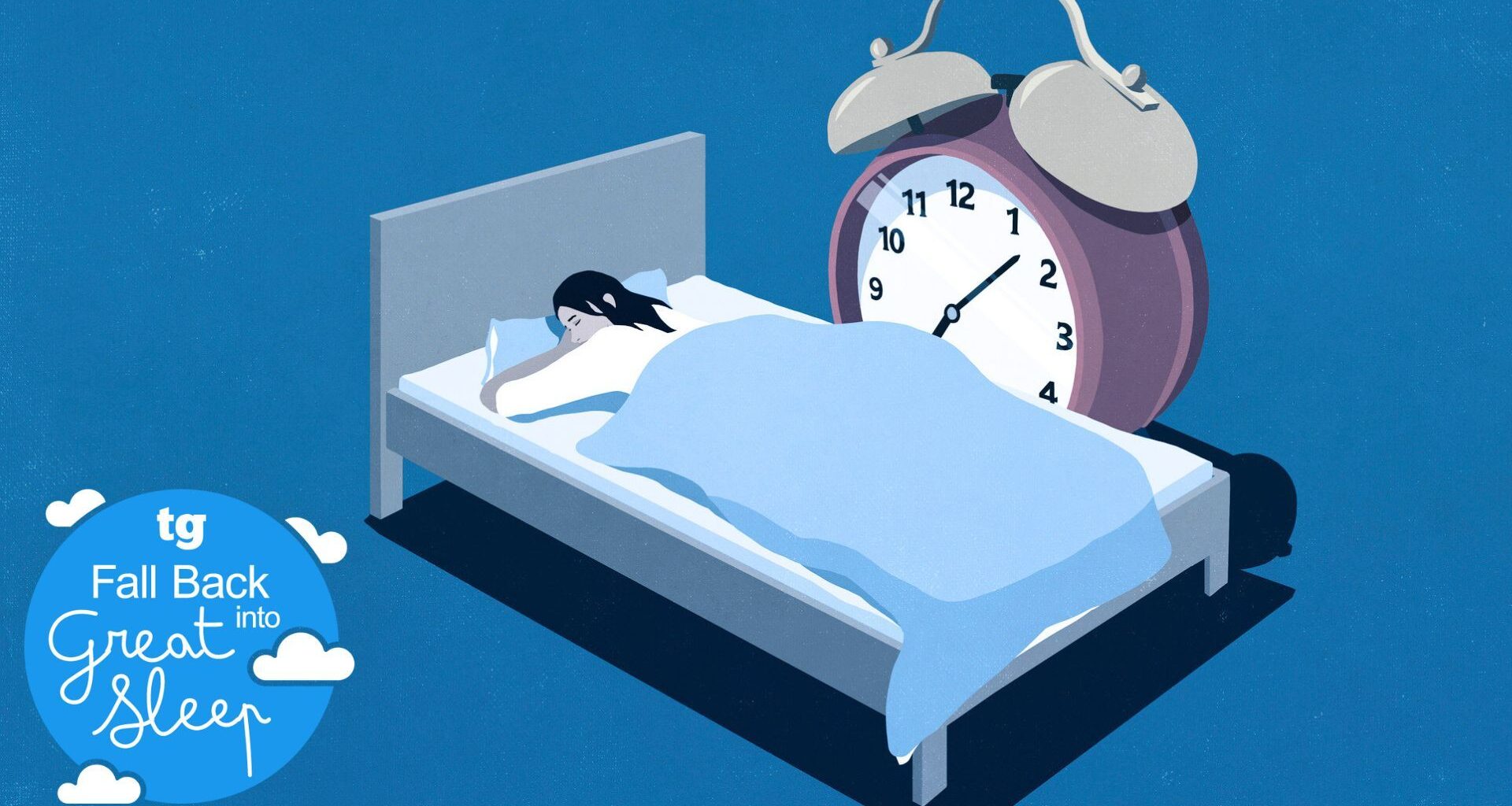
The subtle nip in the air can only mean one thing — it’s officially autumn. And with the season change comes the clock change. Daylight Savings Time — also known as British Summer — (between March and October) ends this weekend, with the start of the Greenwich Mean Time (October to March).
Looking for brighter mornings? Try a sunrise alarm clock
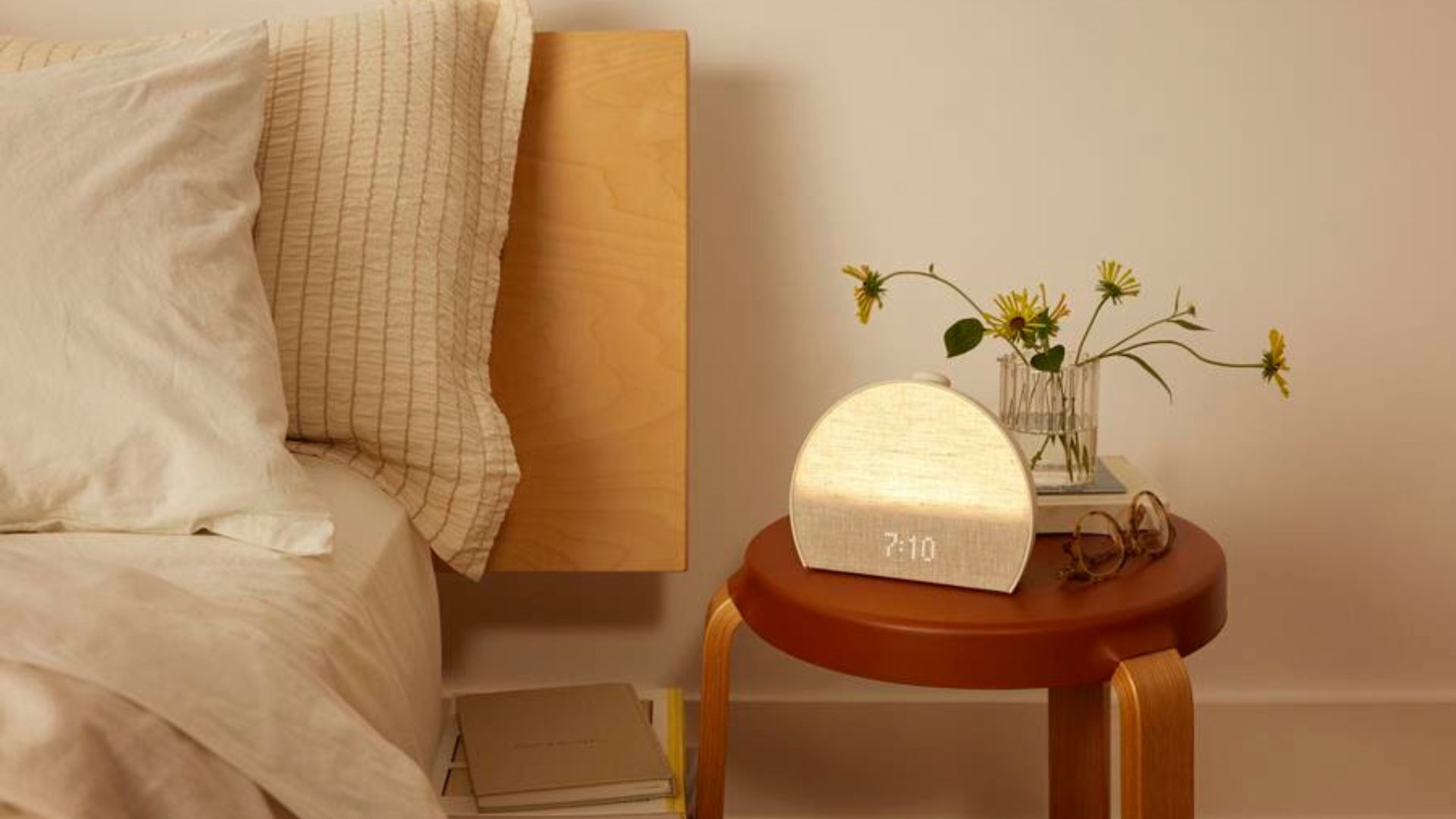
(Image credit: Hatch)
Explore our best sunrise alarm clock guide to find the perfect winter wake-up call for you.
Does this mean it will completely sabotage your sleep? Not at all. Knowing about it and taking steps in advance will not only save your sleep patterns, but also keep you active and energised throughout the day.
As part of our Fall Back into Great Sleep campaign, we’re diving deeper into the clock change and sharing everything you need to know.
When exactly do the clocks go back?
In autumn 2025, the clocks will go back by one hour exactly on Sunday October 26 at 2am in the UK.
While a relatively simple concept, it doesn’t fail to confuse the nation every year (including me). But an easy way to remember it is to think about the seasons. Clocks ‘spring forward’ in spring and ‘fall back’ in autumn.
In the UK, the period when the clocks go forward by one hour on the last Sunday in March is called British Summer Time (BST). Since there is more daylight in the evenings, it is also called Daylight Savings Time.
When clocks go back by an hour on the last Sunday in October, the UK returns to Greenwich Mean Time (GMT).
(Image credit: Getty Images)Why do the clocks go back?
The clocks go back each autumn to mark the end of British Summer Time (BST) and a return to Greenwich Mean Time (GMT).
The tradition dates back to World War 1, when turning the clocks was introduced to save energy and daylight hours
The idea is to make most of natural daylight as the days get shorter. By turning the clocks back by an hour, we get slightly lighter mornings in winter.
The tradition dates back to World War 1, when turning the clocks was introduced to save energy and daylight hours.
However, in recent years, there’s been growing debate over whether sticking to a single, standard time all year could be more beneficial.

(Image credit: Getty Images)Do we gain or lose an hour of sleep when the clocks go back?
When the clocks go back, we gain an hour of sleep— at least in theory. At 2am on Sunday the time resets to 1am, giving you a bonus one hour in bed.
While this might sound like a win for sleep, it can still leave you feeling a bit off. This is because your body’s internal clock, your circadian rhythm, doesn’t instantly adjust to the new sleep schedule.
Some people sleep right through it and enjoy an extra hour in bed, catching up on much-needed rest. While for others, the slight change can result in tossing and turning, waking up earlier than usual or feeling groggy until your internal clock aligns with it.
Is the clock change good for our sleep?
While gaining an hour of sleep is more beneficial than losing it, your circadian rhythm and sleep cycle may still suffer in the days following the change.
This is because of how this change throws off your sleep patterns, which can make waking up or staying asleep tricky.
(Image credit: Getty Images)
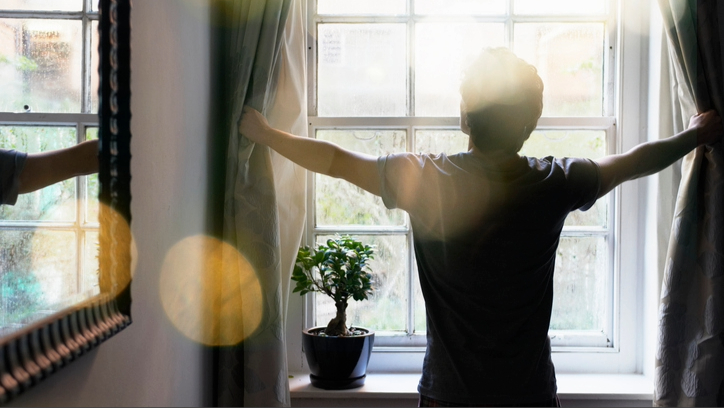
Experts recommend getting sufficient exposure to daylight, which can regulate your circadian rhythm by boosting the release of cortisol during the day (keeping you alert and active) and promoting melatonin production at night (which signals your body to rest).
When did we start turning the clocks back?
It was Benjamin Franklin, an American writer, inventor and political philosopher, who proposed the idea of changing the clocks in 1784.
According to the Royal Museums Greenwich, it was in 1907 that changing the clocks was put forward as a serious proposal in Britain, by William Willett.
He argued that shifting the clocks in spring would mean better use of sunlight and even self-published a pamphlet called ‘The Waste of Sunlight.’
However, it was not until the First World War that the UK decided to adopt it. Germany did it first in 1916, and the UK followed a few weeks later.
Follow Tom’s Guide on Google News and add us as a preferred source to get our up-to-date news, analysis, and reviews in your feeds. Make sure to click the Follow button!