
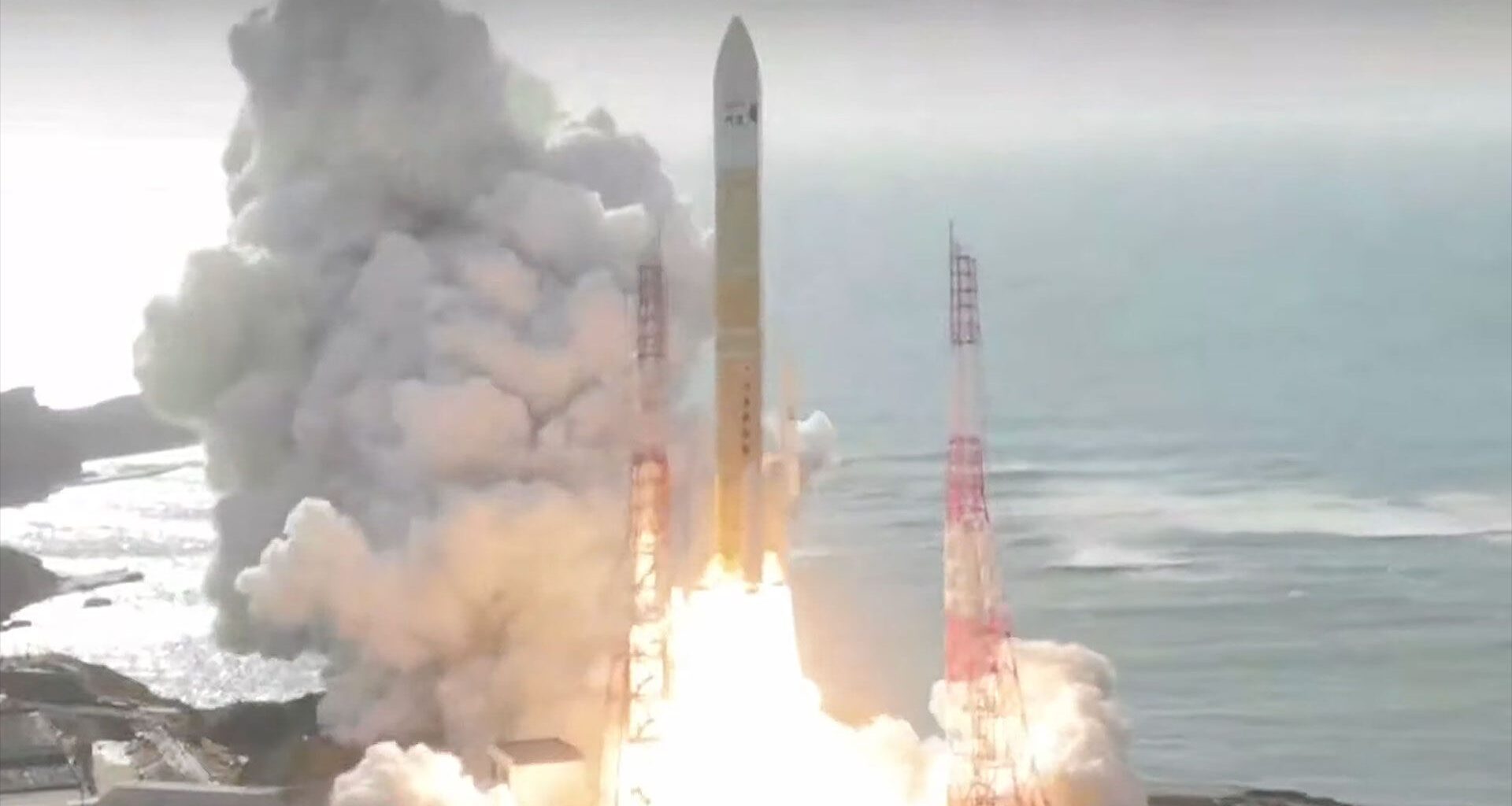
Launch of New unmanned cargo transfer spacecraft1(HTV-X1) aboard the 7th H3 Launch Vehicle (H3 F7) – YouTube

Japan’s new HTV-X cargo spacecraft launched on its first-ever mission to the International Space Station on Saturday (Oct. 25).
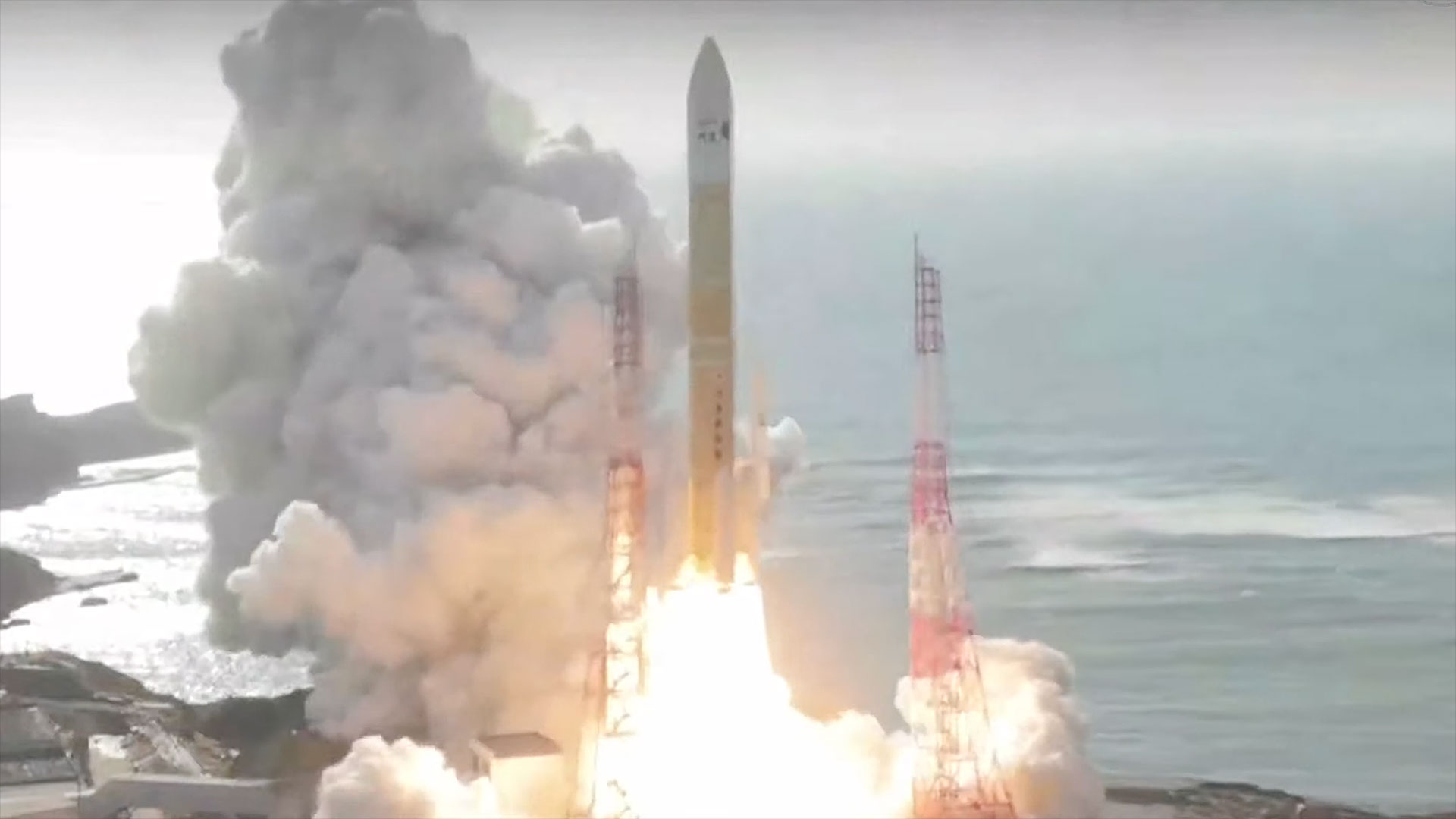
An H3 rocket carrying JAXA’s HTV-X1 cargo spacecraft lifts off from Japan’s Tanegashima Space Center on Saturday, Oct. 25, 2025. (Image credit: JAXA/NASA)
The HTV-X is the successor to JAXA’s H-II Transfer Vehicle (HTV), also known as Kounotori (Japanese for “White Stork”), which flew nine missions to the International Space Station (ISS) between September 2009 and May 2020.
You may like
At 26.2 feet (8 meters) long, the new freighter is about 4 feet (1.2 m) shorter than its predecessor, but it can loft roughly the same payload mass to low Earth orbit (about 13,200 pounds, or 6,000 kilograms). The HTV-X also offers other advantages.
“HTV-X enhances transportation capabilities and adds the capability to provide various users with on-orbit demonstration opportunities for up to 1.5 years after leaving ISS until reentry,” Mitsubishi Heavy Industries, which builds the HTV-X for JAXA, wrote in a description of the vehicle.
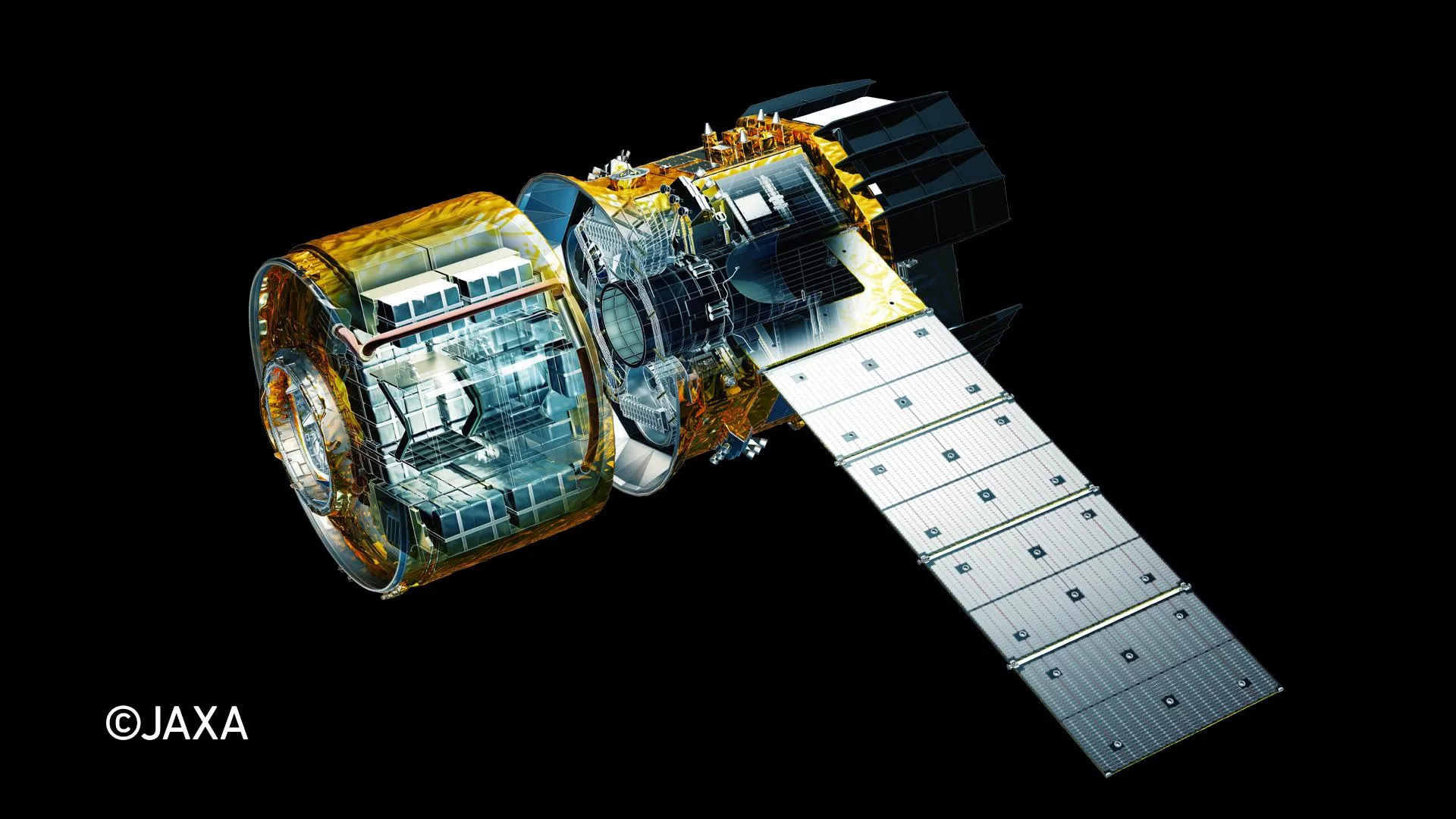
Illustration of Japan’s new HTV-X cargo spacecraft. (Image credit: JAXA)
The HTV-X’s potential uses also extend beyond the ISS, according to JAXA. The agency envisions it aiding “post-ISS human space activities in low Earth orbit” as well as possibly flying cargo to Gateway, the space station NASA may build in lunar orbit as part of its Artemis program.
HTV-X’s debut will increase the stable of ISS cargo craft by one-third. The currently operational freighters are Russia’s Progress vehicle and Cygnus and Dragon, spacecraft built by the American companies Northrop Grumman and SpaceX, respectively. Only Dragon is reusable; the others (including HTV-X) are designed to burn up in Earth’s atmosphere when their missions are over.