
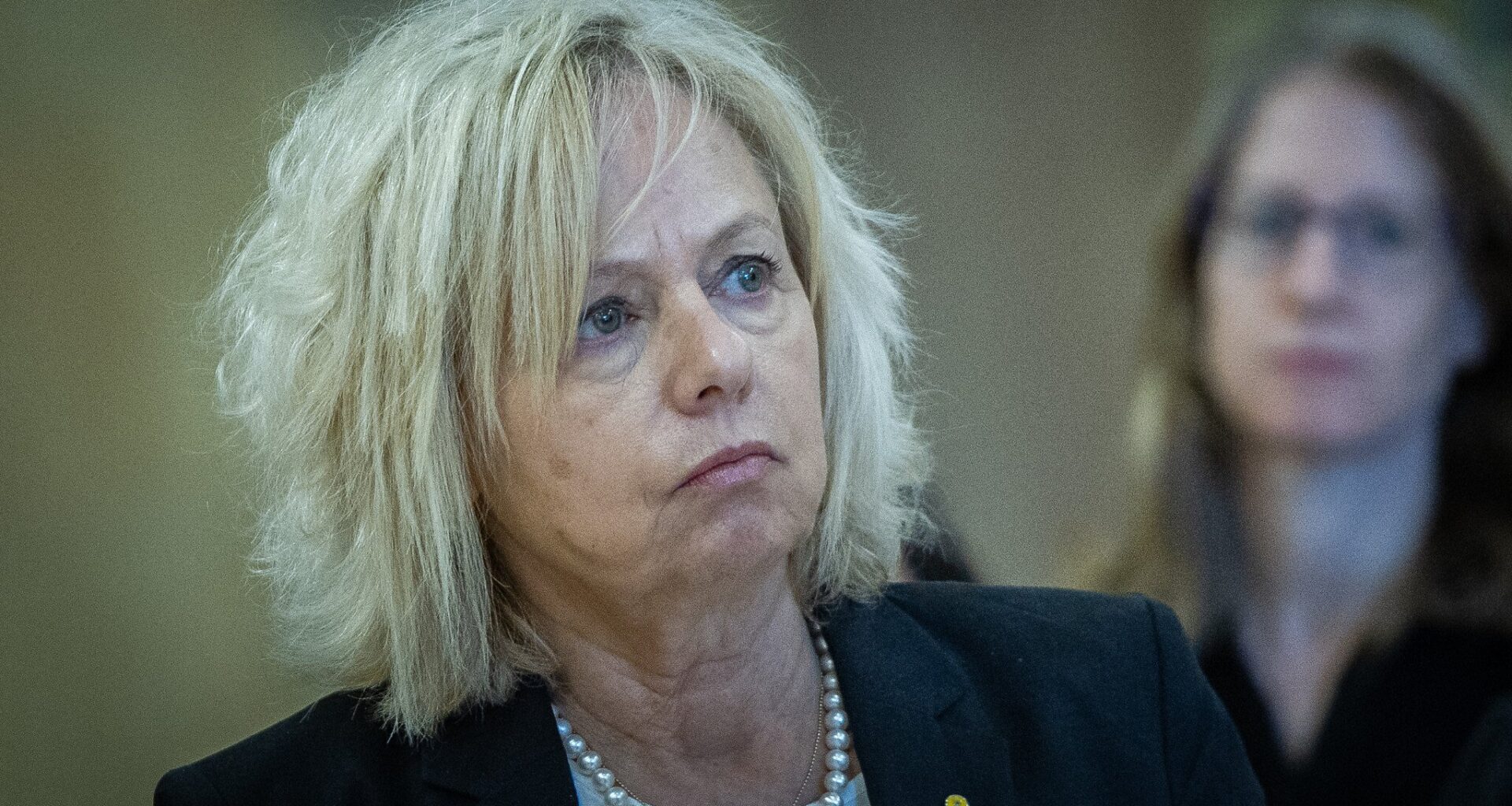
Coalition lawmakers on Wednesday advanced a series of government-backed bills intended to significantly weaken the power of the attorney general, effectively depriving the position of all authority.
Lawmakers voted 59-44 in favor of a preliminary reading of a bill by Religious Zionism MKs Simcha Rothman, Ohad Tal and Michal Woldiger which, if passed into law, would split the position into three separate jobs.
Opposition lawmakers slammed the move as an effort by the government to oust the sitting attorney general, Gali Baharav-Miara, in a bid to undermine the corruption trial of Prime Minister Benjamin Netanyahu. Activists also say that Baharav-Miara has stood as an important bulwark against the coalition’s efforts to undermine the system of checks and balances.
The coalition has been trying unsuccessfully for months to fire Baharav-Miara, accusing her of working against the government and undermining its interests. Baharav-Miara has opposed several of the government’s signature legislative initiatives, including its controversial proposed judicial overhaul, and has also refused to defend the government in proceedings in the High Court against some of its policies and legislation.
Addressing the Knesset ahead of the vote, Justice Minister Yariv Levin argued that “the institution of the attorney general has been corrupted to its core.”
Get The Times of Israel’s Daily Edition
by email and never miss our top stories
By signing up, you agree to the terms
“The institution of the attorney general as it exists in Israel does not exist anywhere else in the world,” Levin said.
“We have a distorted system where a government is forced to accept a legal adviser appointed by a previous government with completely opposite positions, all while concentrating unprecedented and draconian powers in the hands of that adviser, including the authority to advise, veto government legislation, represent or oppose the government in court, and exercise criminal enforcement powers. When all power is given to one unchecked entity, power corrupts.”
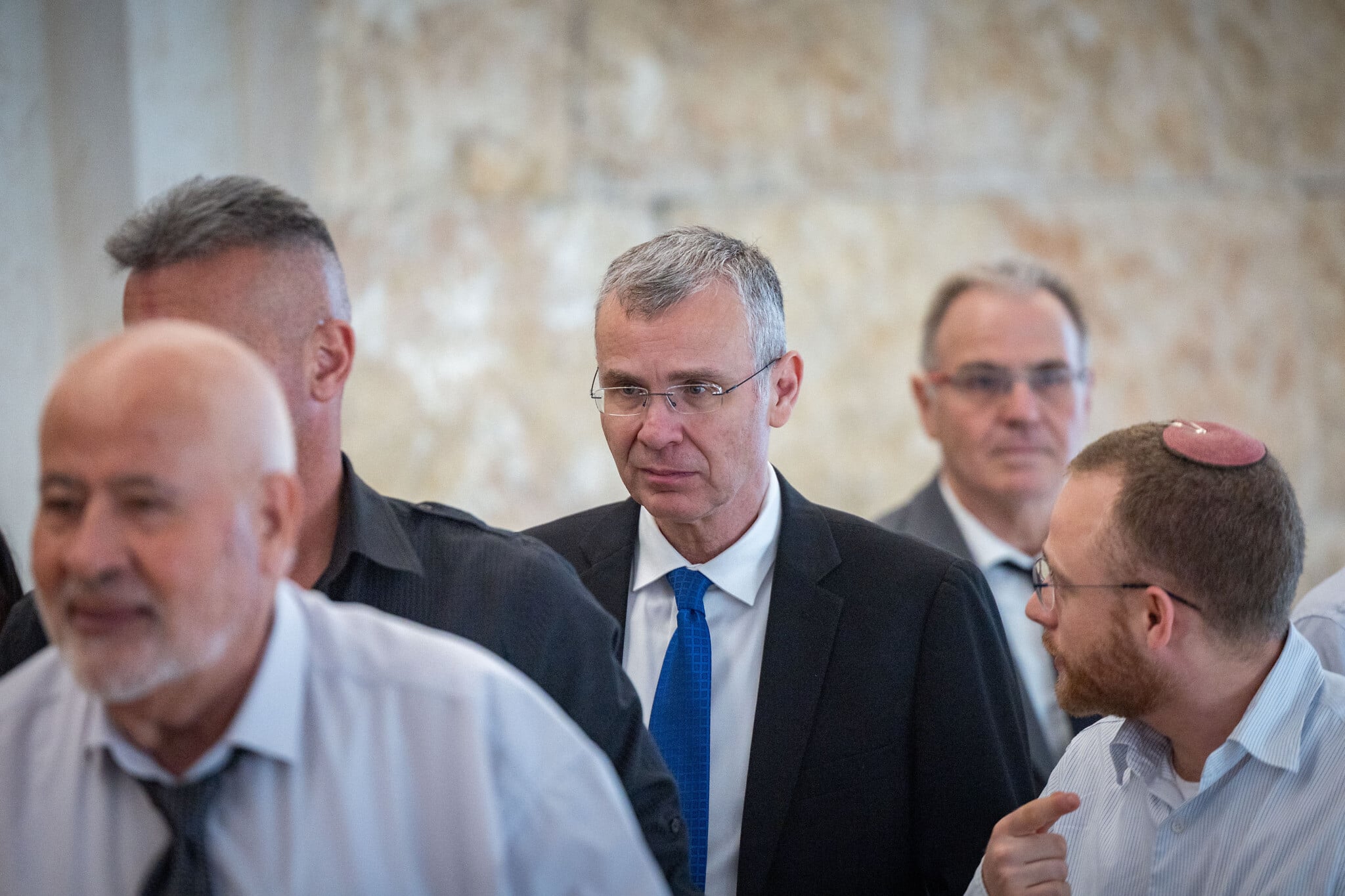
Justice Minister Yariv Levin arrives at the Supreme Court for the retirement ceremony for judge Yosef Elron, September 18, 2025. (Yonatan Sindel/Flash90)
Rothman agreed, stating that “the attorney general concentrates powers that are unparalleled in any democratic country. The fact that this injustice has not been corrected for years only intensifies the damage to democracy.”
“The essential need to separate the roles of the attorney general stems from the institutional and inherent conflicts of interest between the roles and from the dangerous concentration of power in the hands of a person who is not an elected official and who is not accountable to the public,” the conservative lawmaker declared, insisting that lawmakers were “correcting the distortion.”
The bill will now be referred to the Knesset Constitution, Law and Justice Committee, which is chaired by Rothman, to be prepared for the first of the three readings necessary for it to be passed into law.
If passed into law, the legislation would preserve the role of an attorney general as the legal adviser to the government, while also creating the positions of prosecutor general and of government representative to the court.
Under the current system, the attorney general’s position papers containing their interpretation of the law are binding on the government and its agencies. But under the new legislation, the government would not be required to act in accordance with the position papers.
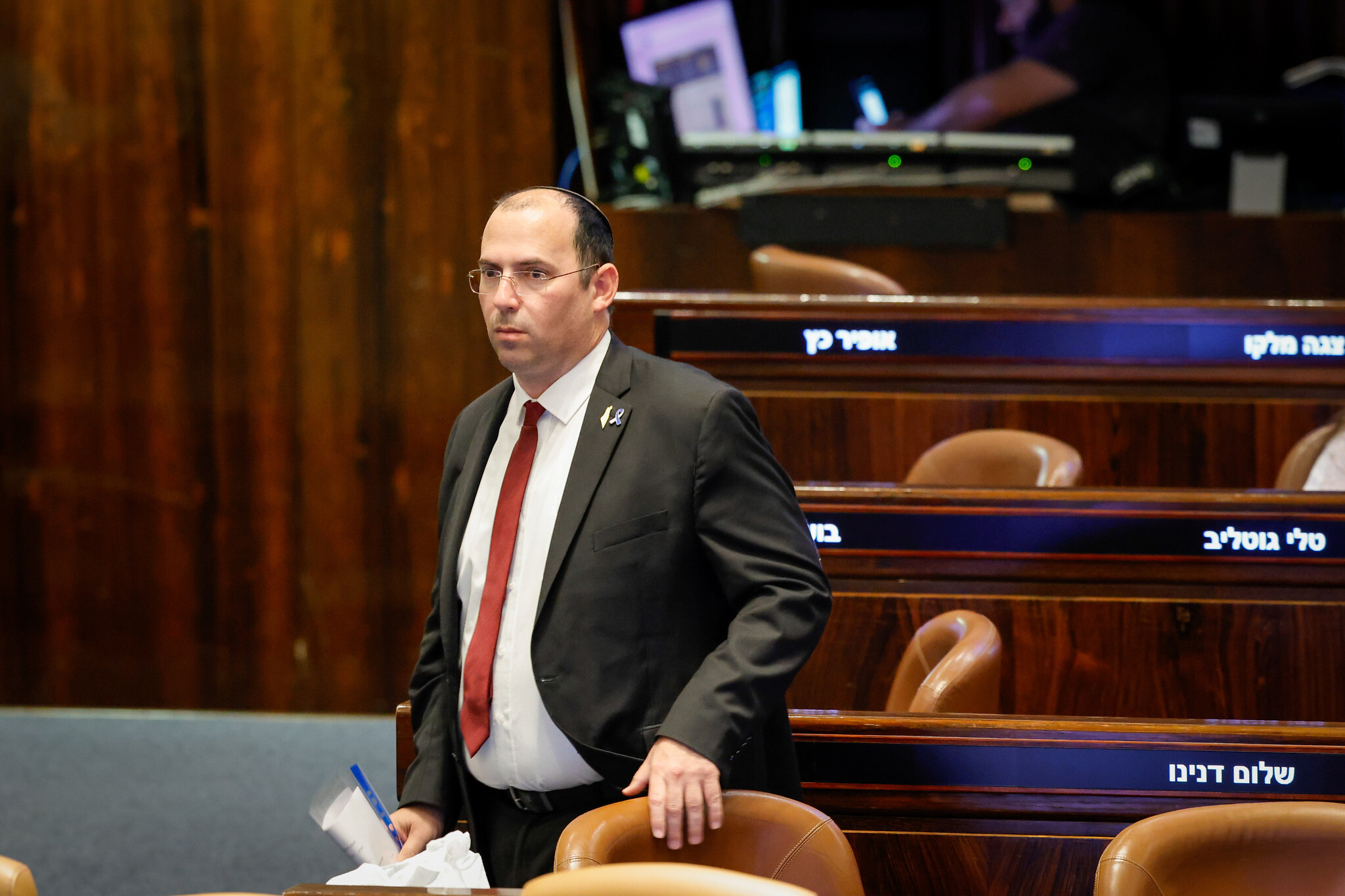
Religious Zionism MK Simcha Rothman in the Knesset, October 29, 2025. (Noam Moskowitz, Office of the Knesset Spokesperson)
The management of the Attorney General’s Office would also no longer be under the sole control of the attorney general; rather, it would be subject to the government and the justice minister.
The attorney general would also not be automatically entitled to attend cabinet meetings and would need to be invited by the prime minister.
Under the law, all three of the newly created roles would become politically appointed positions.
The attorney general would be nominated by the prime minister and justice minister, and approved by the cabinet. Currently, a public, professional committee headed by a retired Supreme Court justice recommends a candidate for the cabinet to approve. The role would be open to candidates who have worked as lawyers for a minimum of 10 years.
The prosecutor general, who would head the criminal prosecution service, would be nominated by the justice minister and confirmed by the Knesset Constitution, Law and Justice Committee, which is always controlled by the ruling coalition. The prosecutor general would be required to have served as a criminal lawyer for at least 10 years.
The justice minister would appoint the government’s representative in the courts. That person would represent the government in legal proceedings regarding legislation and executive actions.
The government’s legal representative would need to have 10 years of experience as an attorney representing parties in court. They alone would be able to represent the government in court, in a departure from the current situation, which allows the attorney general to refuse to represent the government if opposed to its position (whereupon the government can request the attorney general’s permission to get private counsel).
Similar legislation supported by Rothman was approved by the Ministerial Committee on Legislation earlier this year. It was opposed by the Attorney General’s Office, which argued that there was “a heavy suspicion that it is designed to advance personal interests… which are tied to ongoing criminal proceedings and investigations,” a likely reference to Netanyahu’s corruption trial.
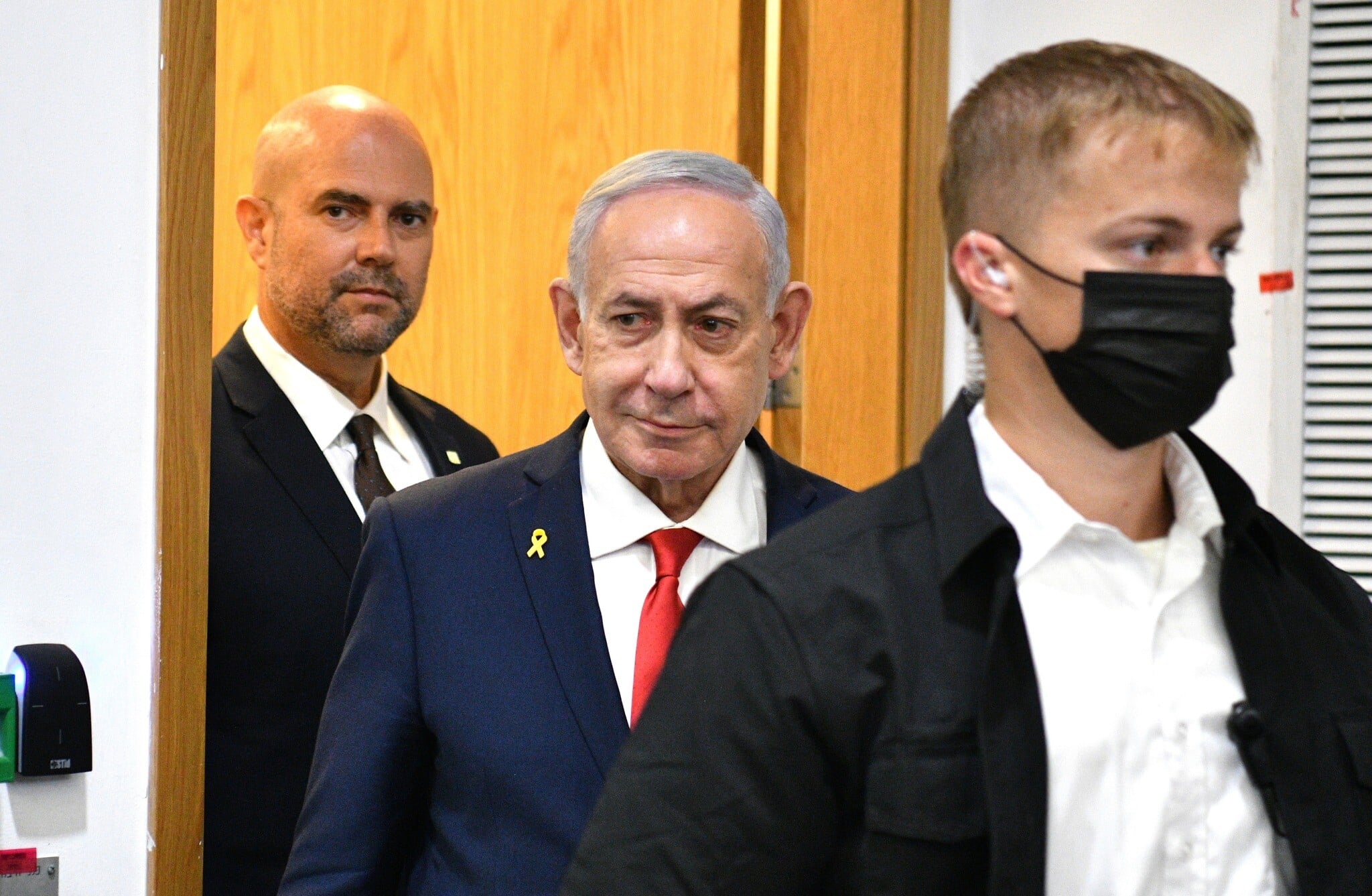
Prime Minister Benjamin Netanyahu (C) arrives at the District Court in Tel Aviv, to testify in the ongoing criminal trial against him, on October 15, 2025. (Reuven Kastro/ POOL)
Levin at the time publicly backed the bill, saying it was designed to prevent “selective enforcement” against government officials by the head prosecutor.
Rothman’s bill was one of several similar coalition bills that passed their preliminary reading on Wednesday, including legislation sponsored by Likud and Otzma Yehudit MKs intended to split the roles of criminal prosecutor and legal adviser to the government.
The various pieces of legislation advanced today will likely be merged in committee.
Not a ‘real legal reform’
Wednesday’s vote generated intense pushback from both opposition politicians and good governance watchdogs.
From the Knesset rostrum, Blue and White chairman Benny Gantz insisted that “anyone who wants real legal reform must vote against the proposal” because “it is impossible to hear any substantive argument on the issue when a prime minister is on trial and seeks to switch out the prosecutor in his trial.”
While he disagreed with the idea of splitting the attorney general’s role, Gantz admitted that “there are also substantive arguments” in favor of such a move but that any change “must be promoted within the framework of a broad reform that looks at the entire system.”
“Discuss it out of a genuine desire to improve the government’s work and maintain the rule of law, and not in order to… stop the prime minister’s trial,” he said.
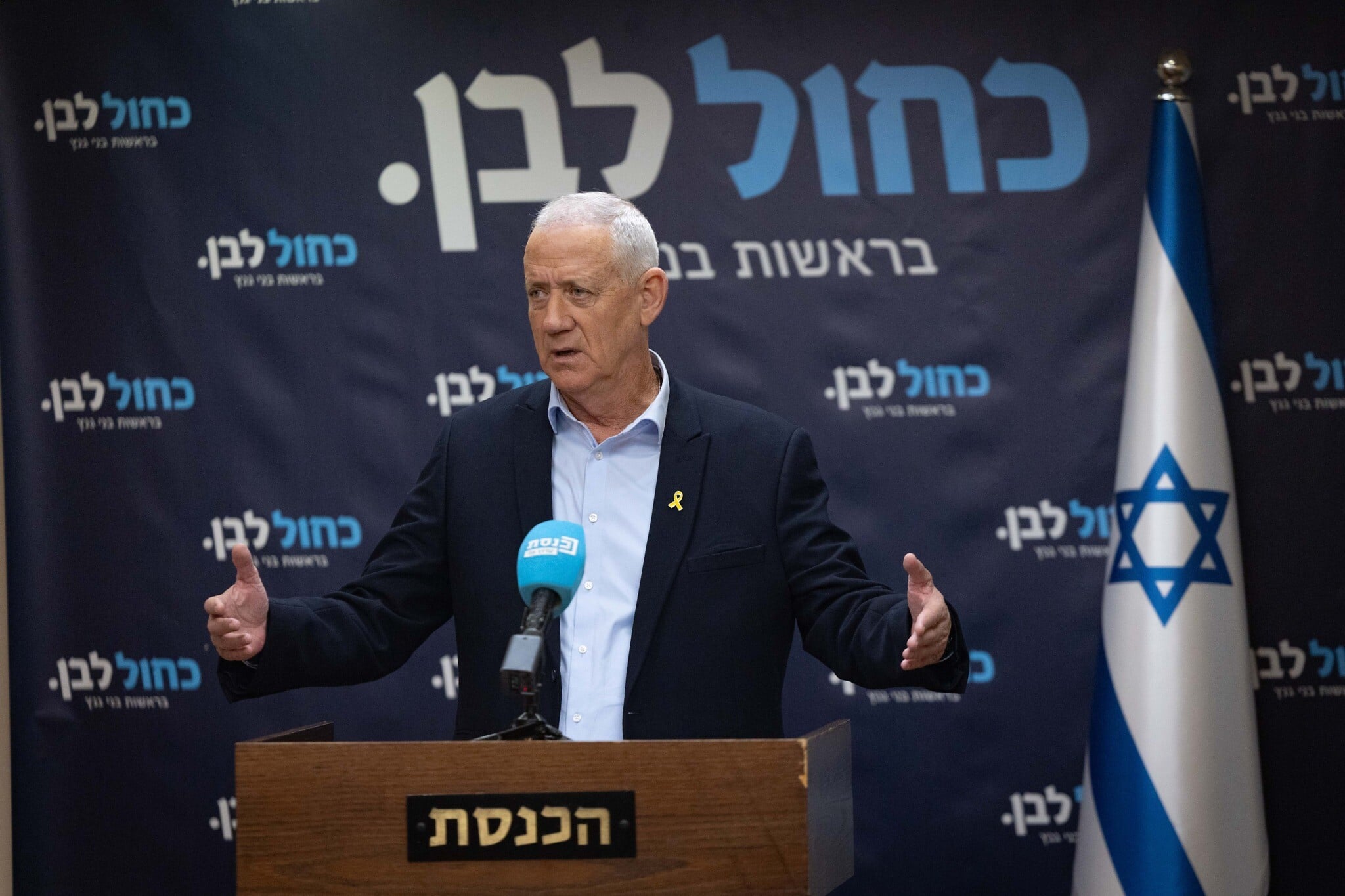
Leader of the Blue and White Party MK Benny Gantz leads a faction meeting at the Knesset on October 27, 2025 (Yonatan Sindel/Flash90)
The legislation was also panned by the Movement for Quality Government, which called it “dangerous” and declared that “the deliberate dismantling of the system of checks and balances in the State of Israel must not be allowed.”
“This law is not intended to improve the justice system – it is intended to protect politicians suspected and investigated for crimes from law enforcement,” the group said in a statement.
Israel Bar Association head Amit Becher alleged in a post on X that because Levin and his political allies failed in firing the attorney general, they were trying to dismiss her “and dismantle the institution that safeguards the rule of law in Israel” through legislation.
Levin and Rothman are trying to “turn Israel into a complete dictatorship” for the sake of “political and criminal interests,” he wrote.
Raising the bar for prosecutions
Lawmakers also voted in favor of the preliminary readings of several additional bills aimed at making it more difficult to open legal proceedings against elected officials by removing that authority from the attorney general.
Lawmakers voted 61-41 in favor of a preliminary reading of a bill by New Hope MK Michel Buskila that says the decision to open an investigation against top officials would require the approval of a senior committee composed of a High Court justice, a former attorney general and a private-sector attorney.
Buskila’s bill was lauded by New Hope chairman and Foreign Minister Gideon Sa’ar, a longtime proponent of splitting the role of the attorney general, who said that “the time has come to put an end to the inherent conflict of interest and the excessive concentration of power embodied in this role.”
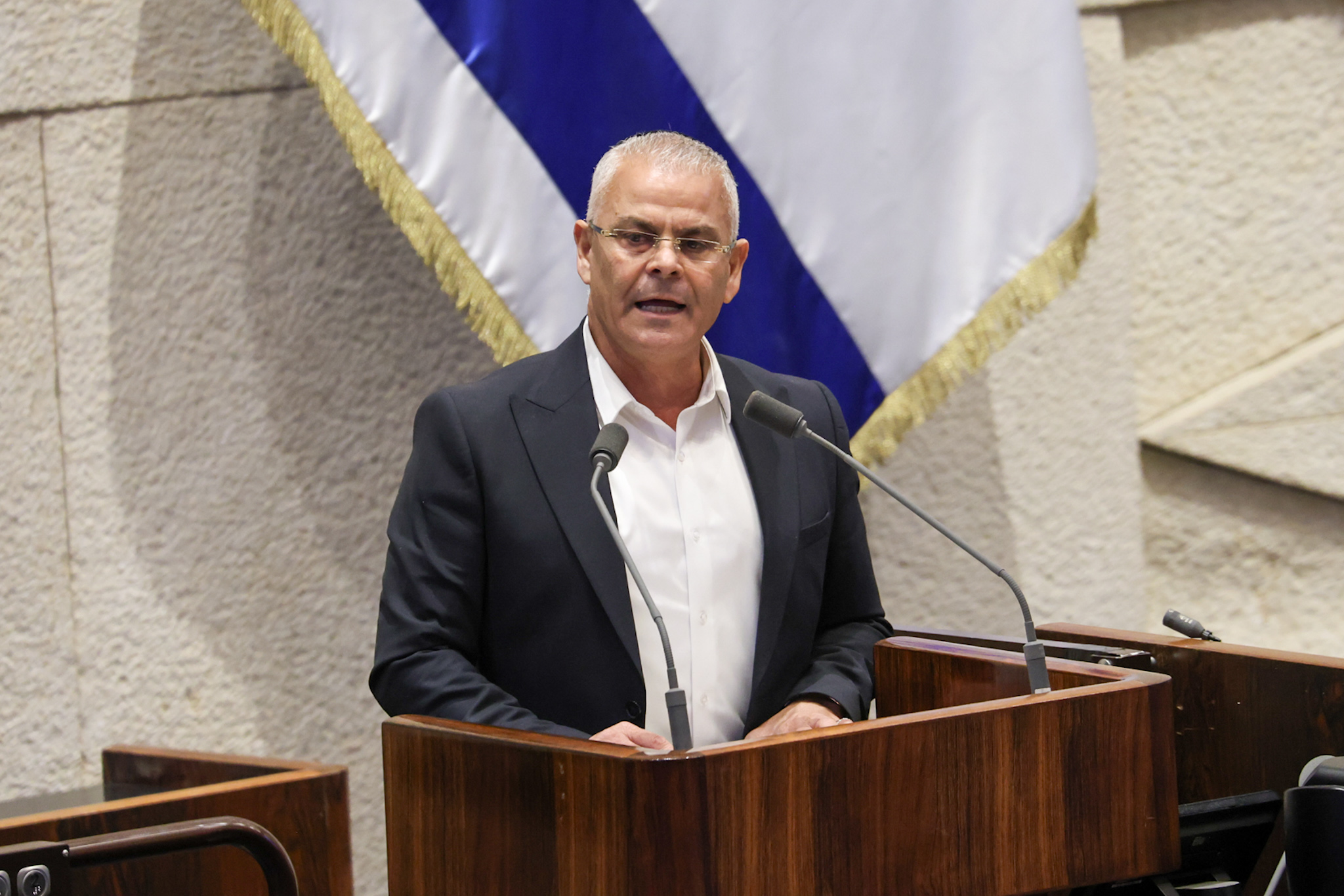
New Hope MK Michel Buskila in the Knesset, October 29, 2025. (Dani Shem-Tov/ Office of the Knesset Spokesperson)
Several similar bills, including one sponsored by Likud MK Eli Dallal, were also advanced by lawmakers.
All of Wednesday’s bills aimed at the attorney general were passed with the support of the coalition’s far right and ultra-Orthodox parties.