
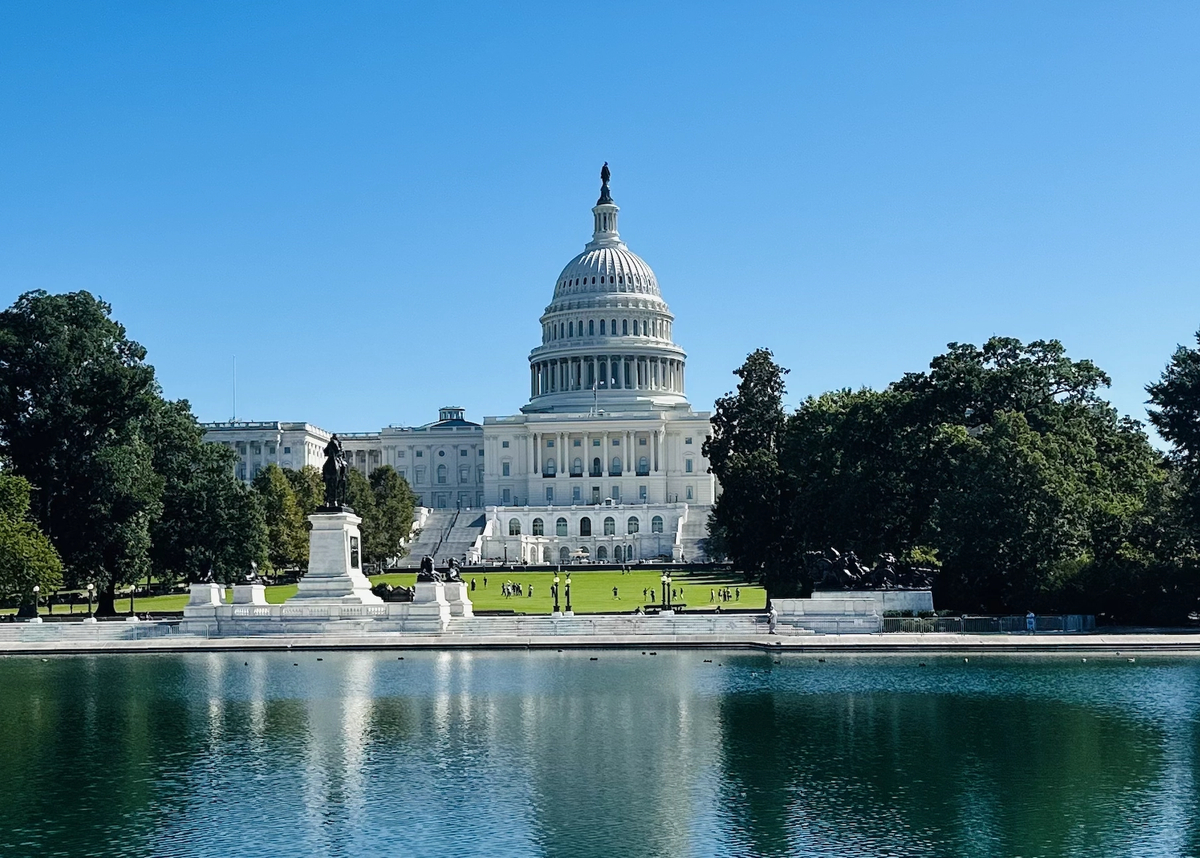
WASHINGTON, DC – US lawmakers are planning to unveil legislation in the coming days that would effectively block the troop withdrawal, signaling a high-stakes legislative battle that cuts across party lines and pits key congressional leaders against the White House on a core foreign policy decision.
The looming clash comes after the Pentagon confirmed the plan – first reported by Kyiv Post on Tuesday – to reduce troop presence in Romania. Critics immediately slammed the move as a gift to Kremlin leader Vladimir Putin.
JOIN US ON TELEGRAM
Follow our coverage of the war on the @Kyivpost_official.
Speaking to Kyiv Post on Saturday, two senior Senate aides familiar with the congressional push described the Pentagon’s decision as a massive “strategic blunder” that directly undermines NATO’s deterrence posture at a time when tensions with Russia are peaking.
Republican revolt
The strongest opposition is being led by top defense Republicans, underscoring the deep skepticism the move has provoked within the party’s national security establishment.
The leaders of both Armed Services Committees – Senator Roger Wicker (R-MS) and Congressman Mike Rogers (R-AL) – jointly blasted the Pentagon’s decision, calling it “uncoordinated and directly at odds with the president’s strategy.”
They weren’t alone. Congressman Mike Turner (R-OH), who heads the US Delegation to the NATO Parliamentary Assembly, quickly joined the chorus. And on Friday night, Senator Thom Tillis (R-NC) added his voice, focusing on the abruptness of the decision.
Other Topics of Interest
The advocacy group chair, speaking to Kyiv Post, cautions that the troop cut undermines confidence in Article 5 and invites “miscalculation” by reducing US visibility on the Eastern Flank.
“Scaling back our presence in Romania defies sound strategy,” Tillis declared. “Romania has been a rock-solid ally for nearly 30 years, investing billions to strengthen NATO.”
He delivered a final, pointed jab: “We should not be blindsiding America’s allies.”
The coordinated Republican pushback marks a rare moment of defiance against the administration’s military policy – suggesting deep concern that the drawdown will degrade US influence and security in Europe.
The time is ticking. According to Western officials who informed Kyiv Post on Friday, the Pentagon also plans to trim forces in Bulgaria, Hungary and Slovakia starting next month, following the Romania move.
Democrats ready to throw a wrench
Democrats, sensing an opportunity to protect a critical alliance structure, are fully on board. House Armed Services Committee Ranking Member Adam Smith (D-WA) appeared to confirm the legislative maneuver during a speech Friday at the Council on Foreign Relations, framing congressional action as an urgent necessity.
“We in Congress are going to try to put things in place to block them from doing that, because I think it’s the exact wrong signal to send to Putin and our European allies right at this moment,” Smith said.
Smith didn’t mince words about the broader implications, warning that the move feeds into a dangerous isolationist trend.
“It sort of gets back to undermining the whole idea that we’re going to show Putin we’re not going anywhere. If we’re withdrawing significant forces from Eastern Europe, that undermines that message,” he said.
He attributed the decision to a troubling ideology that has taken root within the administration. The withdrawal, Smith argued, is “reflective of that troubling and problematic isolationist wing in the GOP that believes the rest of the world isn’t worth our time.”
The Indo-Pacific fig leaf
The Pentagon has tried to frame the pullback as a logical “strategic adjustment,” necessary to free up assets for the Indo-Pacific – the administration’s new “priority theater.”
But critics on both sides of the aisle dismiss that rationale, arguing the timing couldn’t be worse and that it directly contradicts the administration’s own “peace through strength” mantra.
Veteran American diplomat Daniel Fried, a key architect of US post-Cold War European policy, hinted in an interview with Kyiv Post that the fight is far from over.
“There is always a way to change a decision in the Trump world, okay? There is always a way to do this. Nothing is ever set,” Fried noted, nodding to congressional critics. “I think Chairman Turner and Senator Wicker are right to keep pushing on this.”
Fried’s comments suggest that Congress has a real opportunity to reverse the policy. He expressed hope that the final outcome of the administration’s broader posture review will limit the damage.
“I also hope that when we see the results of the Posture Review, it will amount to symbolic withdrawals only—and not a major drawdown,” he emphasized.
The congressional action sets the stage for a dramatic showdown, forcing the administration to choose between its political aims and the united will of its own party’s defense leadership.