
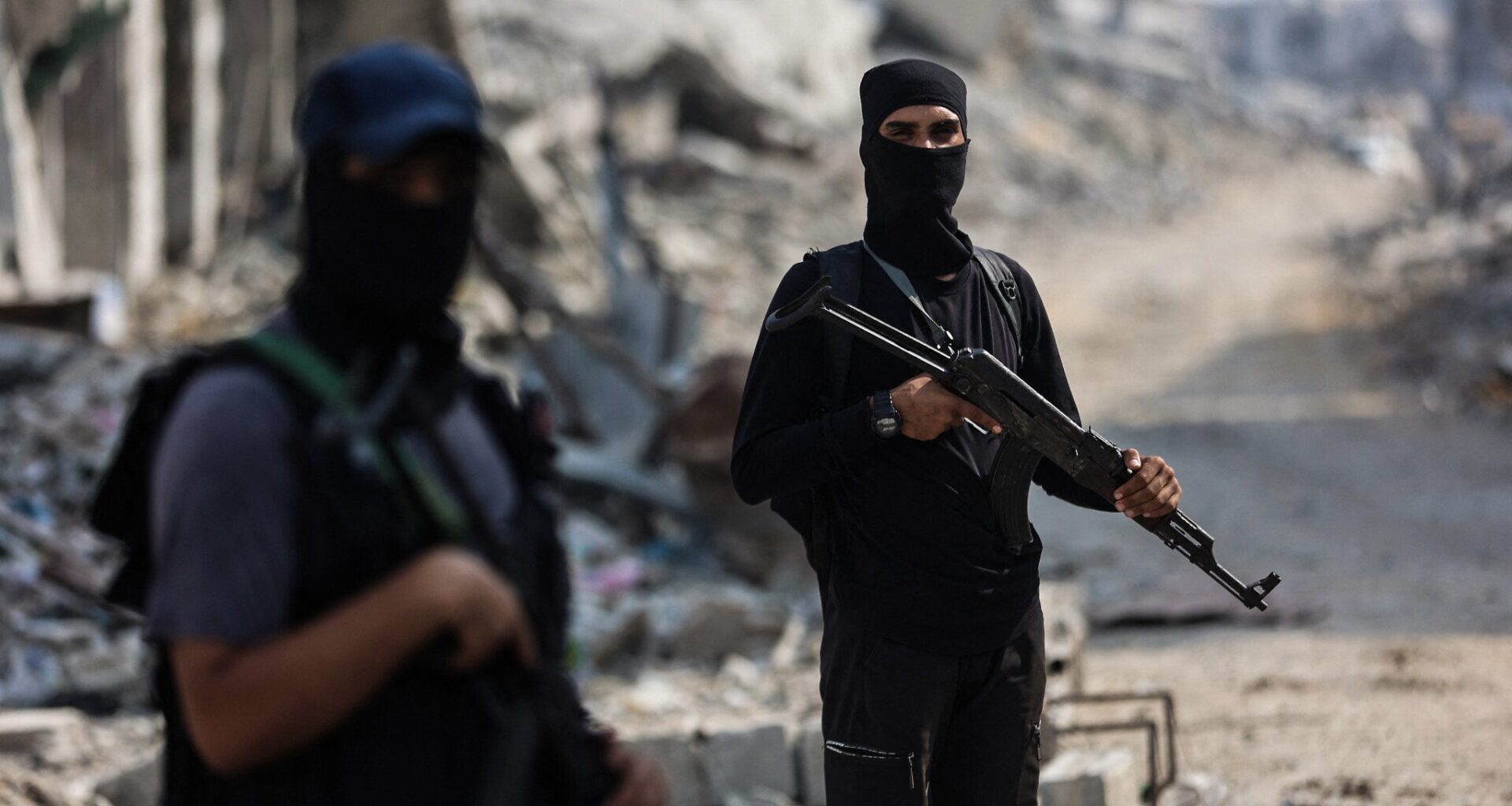
A top Hamas leader said Tuesday that the terror group and the Palestinian Authority have come to an agreement regarding the establishment of a temporary committee that will manage the Gaza Strip on behalf of the PA.
The committee’s responsibilities will include overseeing the border crossings and the security forces in the Strip, Moussa Abu Marzouk told Al Jazeera, adding that it will be headed by a PA minister.
Abu Marzouk didn’t clarify during the interview whether this decision was approved by the US as well as the PA, meaning it was unclear whether there is any weight to the agreement.
In recent weeks, Hamas has refrained from publicly addressing the composition of the committee that will oversee Gaza’s civilian affairs, in line with the White House’s plan to end the war in Gaza.
According to Arabic media reports, one of the proposed candidates to head the committee is Palestinian Authority Health Minister Majed Abu Ramadan. However, there were reports that Israel has rejected his candidacy.
Get The Times of Israel’s Daily Edition
by email and never miss our top stories
By signing up, you agree to the terms
Abu Marzouk said that Israel was still refusing to allow UN forces to operate in areas currently under its control in the Strip, something he stated contradicts the draft proposal the United States submitted to the UN Security Council, which centers on the deployment of an international stabilization force in Gaza.
He clarified that disagreements remain over the operational details of the international force — such as where it would operate and what its mandate would be — and said that “a long discussion is still required on this matter.”
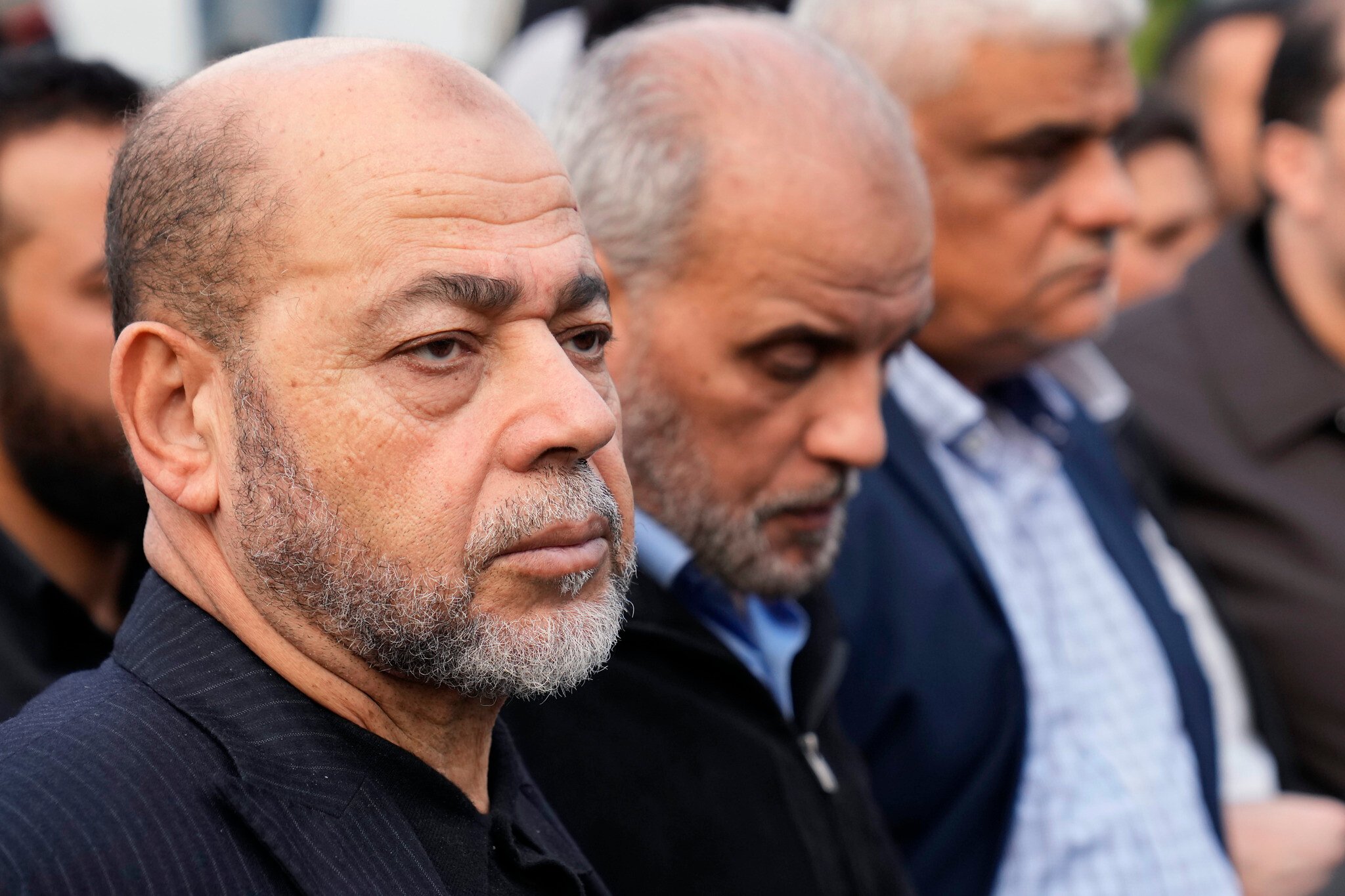
Hamas politburo member Moussa Abu Marzouk, front, attends the funeral of Saleh Arouri, in Beirut, Lebanon, January 4, 2024. (AP Photo/Hussein Malla)
Avoiding a definitive answer on whether Hamas will disarm as required by US President Donald Trump’s broad Gaza peace plan, Abu Marzouk said that “Hamas is the force that controls the ground [in Gaza]. If it is disarmed, there will be other weapons and other groups. Just as in Iraq, when the Iraqi army was disbanded, chaos followed — al-Qaeda and ISIS emerged.”
He added that such a move “would not contribute to stability or to the implementation of agreements (such as the ceasefire).”
“There is no vacuum — any replacement force must be Palestinian and agreed upon by Palestinians, so there will be no rejection or internal conflict.”
‘Israelis gagged’
Also Tuesday, Channel 12 news reported that Israeli officials strongly dislike certain clauses of the Trump administration’s draft UN Security Council resolution on establishing the international force in Gaza.
A senior US official told the network that “the Israelis gagged” over certain parts of the resolution – mainly because the deployment of the force will require another stage of IDF withdrawal from Gaza and limit Israel’s freedom of action in the territory going forward.
Beyond the military implications, some Israeli officials view the proposal as a dangerous “internationalization” of the Israeli–Palestinian conflict, fearing it could lead to undesired international oversight not only in Gaza but also in the West Bank, the network continued.
Channel 12 added that Strategic Affairs Minister Ron Dermer worked behind the scenes with American officials on the proposal, which would give the US and other participating countries a broad two-year mandate to govern Gaza and be in charge of security there.
According to a copy of the draft published by the Axios news site on Monday, the so-called International Stabilization Force will be in charge of securing the Gaza Strip’s borders with Israel and Egypt, ensuring the safety of civilians and humanitarian zones, and training and partnering new Palestinian police officers.
The force’s mandate will apparently include disarming Hamas, with the draft saying that the ISF will “stabilize the security environment in Gaza by ensuring the process of demilitarizing the Gaza Strip, including the destruction and prevention of rebuilding of military, terror, and offensive infrastructure, as well as the permanent decommissioning of weapons from non-state armed groups.”
This clause could well be subject to debate, as countries that have offered to contribute troops to the ISF are not interested in sparring with Hamas in Gaza, two Arab diplomats reiterated to The Times of Israel last week.
The draft resolution also states that the ISF will perform “additional tasks as may be necessary in support of the Gaza agreement,” and that it will be established and operate “in close consultation and cooperation with Egypt and Israel.”
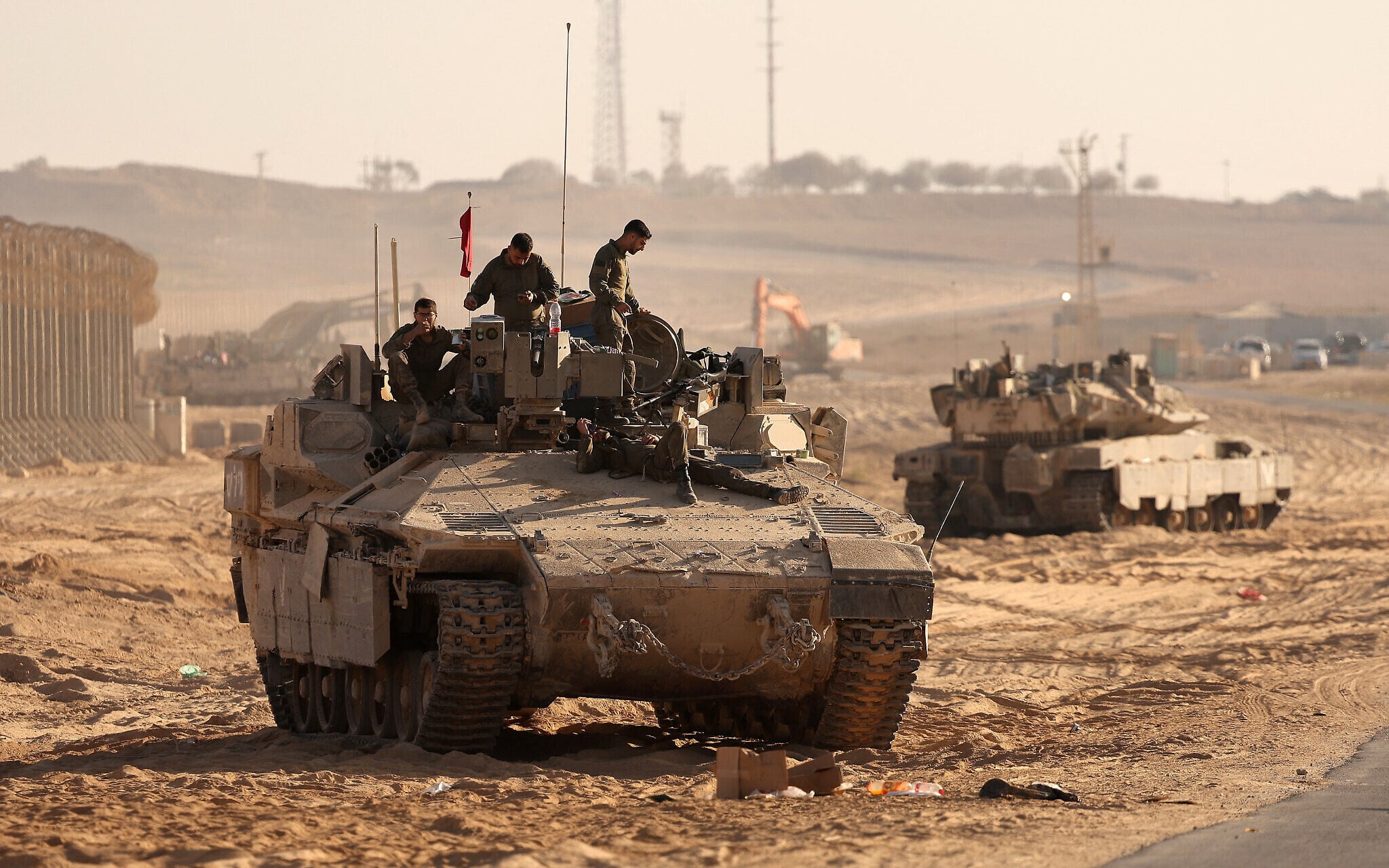
IDF troops deployed along the border between Israel and the Gaza Strip take position in their armored personnel carriers near the border fence on October 21, 2025. (Jack GUEZ / AFP)
Additionally, the resolution calls for granting US President Donald Trump’s proposed “Board of Peace” the powers of “a transitional governance administration with international legal personality that will set the framework and coordinate funding for the redevelopment of Gaza pursuant to the Comprehensive Plan, until such time as the Palestinian Authority has satisfactorily completed its reform program.”
Prime Minister Benjamin Netanyahu has repeatedly proclaimed that the Palestinian Authority cannot play any role in governing postwar Gaza, although the idea has remained popular among Israel’s Western allies.
A US official told Axios that the goal is to deploy the first ISF troops to Gaza by January. Washington is reportedly aiming to negotiate the terms of the resolution within days and hold a vote on it within weeks.
Currently, the next stages of Trump’s 20-point peace plan have been on hold, with Hamas failing to hand all of the hostages’ bodies it continues to hold. The terror group returned the remains of another hostage Tuesday night, leaving seven still in Gaza — five Israelis, one Thai and one Tanzanian.
Times of Israel staff contributed to this report.
You appreciate our journalism

You clearly find our careful reporting valuable, in a time when facts are often distorted and news coverage often lacks context.
Your support is essential to continue our work. We want to continue delivering the professional journalism you value, even as the demands on our newsroom have grown dramatically since October 7.
So today, please consider joining our reader support group, The Times of Israel Community. For as little as $6 a month you’ll become our partners while enjoying The Times of Israel AD-FREE, as well as accessing exclusive content available only to Times of Israel Community members.
Thank you,
David Horovitz, Founding Editor of The Times of Israel