
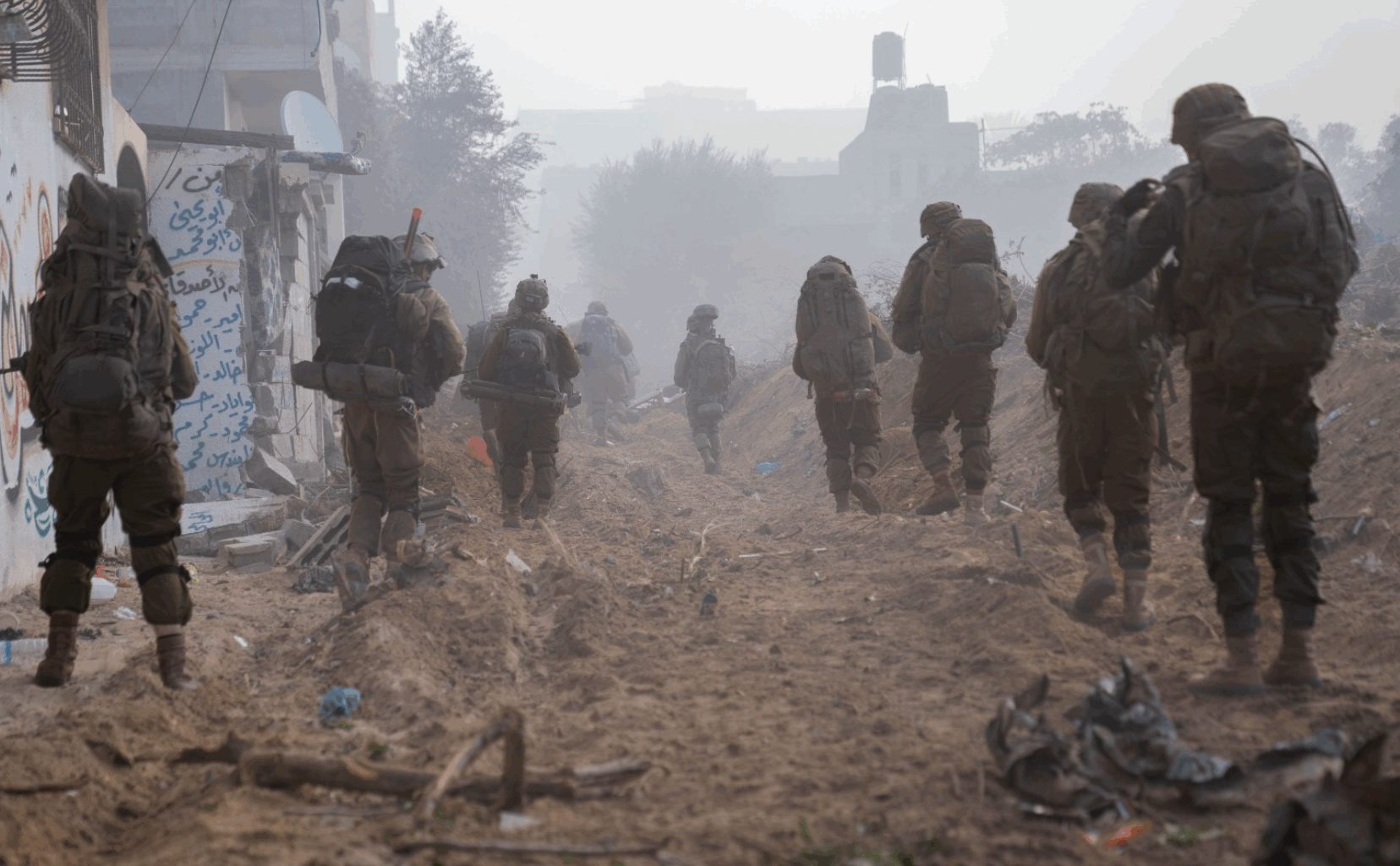
Four combat soldiers from the Israeli Defense Forces’ Nahal Brigade Battalion 931 have been imprisoned after refusing to return to combat operations in the Gaza Strip, citing severe psychological trauma from previous missions.
The case, revealed by public broadcaster Kan on Sunday, has sparked renewed scrutiny of the IDF’s handling of mental health issues among front-line troops.
The experienced soldiers, all of whom had participated in multiple Gaza deployments, formally informed their commanders of their refusal to redeploy, saying they could no longer endure the mental toll.
According to military sources, three of the four were swiftly court-martialed and sentenced to between seven and twelve days in prison. The fourth awaits trial. All have since been removed from combat roles.
Although military psychiatrists had previously deemed the soldiers fit for duty, family members and fellow soldiers argue that the cumulative psychological burden has been overwhelming.
“These wounds will remain engraved deep within their souls,” said the mother of one soldier. Several of their comrades were killed in action during prior missions, contributing to the trauma.
While the IDF maintains that the disciplinary actions were handled appropriately, some within the military have criticized the leadership’s response as lacking empathy and failing to provide adequate psychological support. “This is not about cowardice—it’s a deep internal crisis,” said one officer familiar with the case.
An IDF spokesperson defended the military’s position, stating: “The operation was carried out with tact and in accordance with orders. The IDF views refusal to follow orders—especially during combat—as a grave matter and will continue to enforce discipline and uphold military values.”
The incident comes amid growing concerns over the IDF’s approach to mental health, particularly during the ongoing Gaza campaign. Another recent case further underscores systemic failures: a soldier from the Kfir Brigade, also a veteran of Gaza operations, fell into acute psychological distress and reportedly made suicidal threats twice. Despite repeated requests for psychiatric care, his appeals were ignored until fellow soldiers threatened to withdraw from combat unless he was treated.
Only after this ultimatum was he seen by a psychiatrist, who not only recommended his removal from the combat zone but also called for the evacuation of his entire platoon to recover psychologically.