
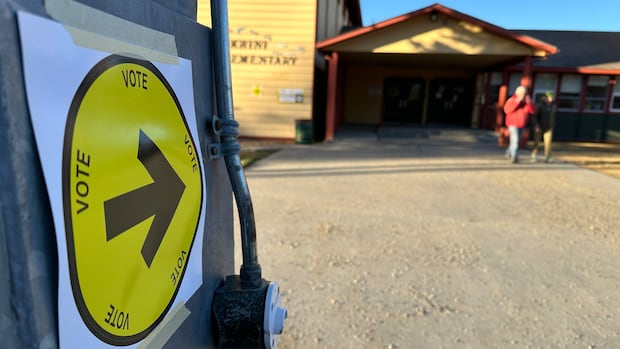
Yukon’s incoming premier may have campaigned on a message of “change,” but when it comes to the territory’s voting system, Currie Dixon says he’s happy to keep things just the way they are.
That’s despite the results of a plebiscite on Monday that saw a majority of voters say yes to electoral reform. The plebiscite, held concurrently with the territorial election, asked voters whether they favoured changing from the current first-past-the-post system to one that uses ranked ballots.
A little over half of the territory’s 35,966 registered electors cast a ballot in the plebiscite and of those who voted, 56.1 per cent — 10,186 people — said yes to electoral reform, while 43.9 per cent said no, according to unofficial results from Elections Yukon.
Voters were most likely to support the change if they lived in Whitehorse. The plebiscite also saw a greater proportion of yes votes in ridings that also elected NDP MLAs on Monday.
The rural riding of Mayo-Tatchun saw the least support for electoral reform, while the Whitehorse ridings of Takhini, Riverdale South and Riverdale North — all NDP wins on Monday — saw the most, proportionally.
Floyd McCormick, a former clerk of the Yukon legislative assembly and a proponent of ranked voting, called the plebiscite result “substantial.”
“There hasn’t been a whole lot of success across Canada when it comes to referendums or plebiscites regarding changing the voting system. So in that sense, yeah, it is a bit of an innovation,” he said.
Still, he acknowledges that the plebiscite results are non-binding, and the next government is not required to do anything as a result. He also points out that the Yukon Party has long been against changing the current system.
Plebiscite a ‘waste of money,’ Dixon says
Dixon, who said during the election campaign that his Yukon Party wouldn’t act on the plebiscite result, confirmed on Tuesday morning that his position “hasn’t changed.”
“I still think that the move to a ranked ballot is the wrong one and that this whole exercise has been a waste of money,” he said.
He said Monday’s plebiscite results are something his government will “have to consider” and talk about, but he also wasn’t afraid to be a wet blanket for anyone hoping for that particular sort of change.
“I think that the significant resources it would take to overhaul our electoral system would be better placed in either education, health, or any of the other priorities that we have for moving forward,” he said.
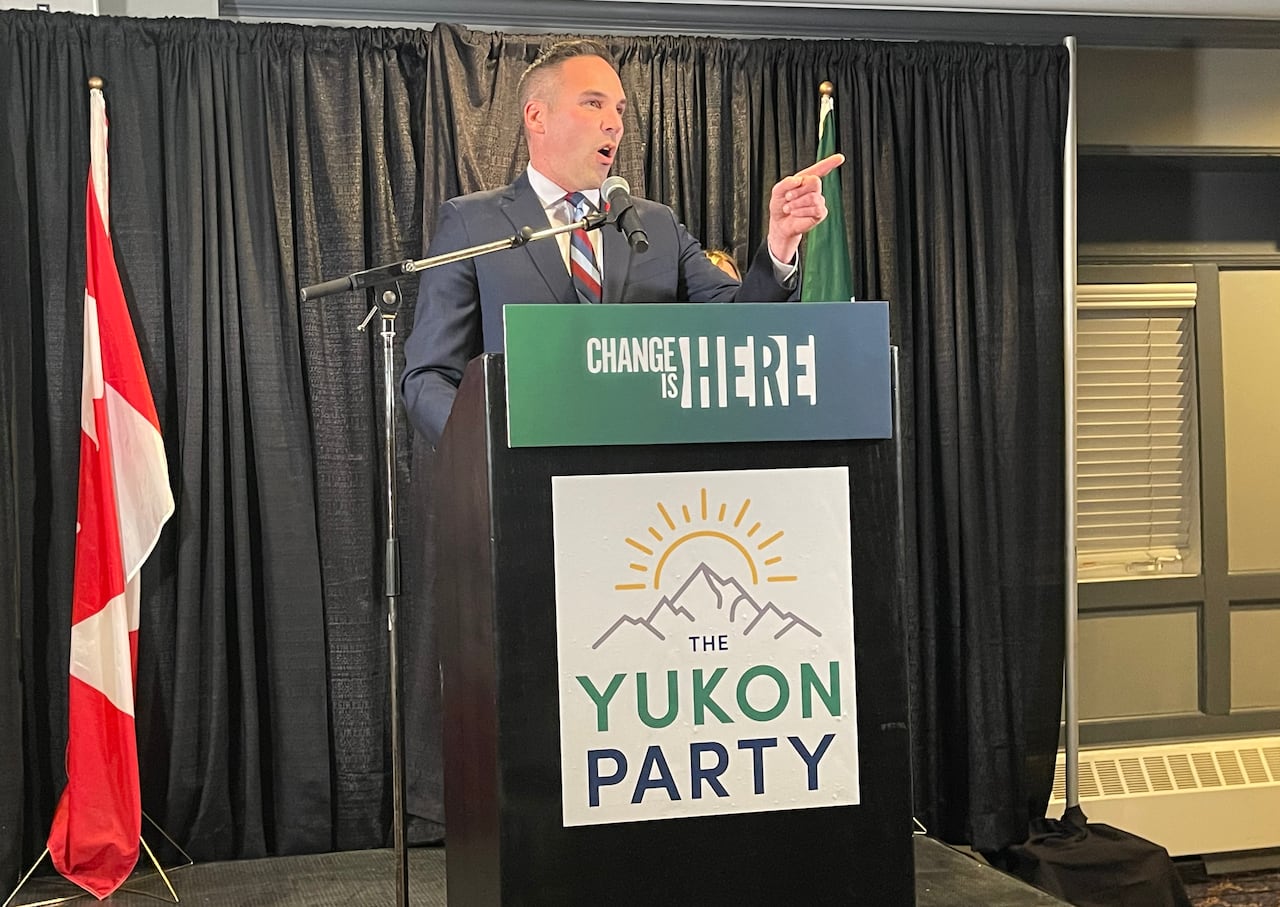 Premier-designate Currie Dixon celebrates his win in the territorial election on Monday night. He says he is not in favour of changing the territory’s voting system. (Julien Greene/CBC)
McCormick, however, points out that more people voted yes in the plebiscite than voted for a Yukon Party candidate on Monday. He also argues that simply ignoring the plebiscite result goes against the “conventions of how we run elections and how we approach electoral reform in Canada.”
“For the party in power to just say, ‘we’re not going to do this’ when we’ve had a plebiscite vote in favour of it, that’s running contrary to the way things are done in this country,” McCormick said.
He says it will now be up to advocates like himself to continue pushing for electoral reform in the hope that the new government might change its mind.
“It will be a challenge,” he said.