
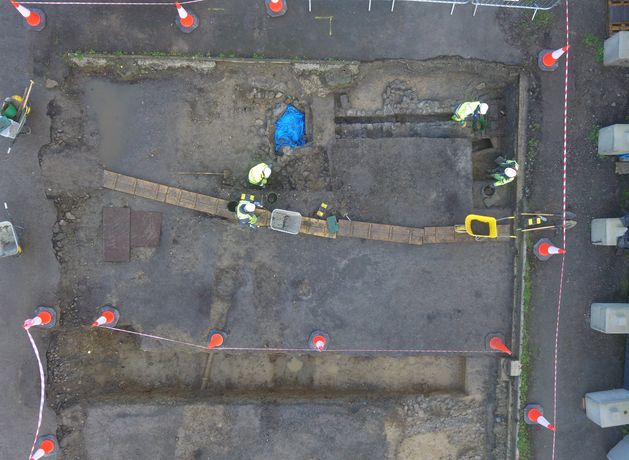
The latest update from the excavation site covers the period from September 25 to October 29, where it is believed that seven of the nine sets of human remains recovered are of infants.
The full excavation works of the former Mother and Baby Institution began on July 14, 2025, with the works estimated to take upwards of 24 months.
In the previous technical update, the Office of the Director of Authorised Intervention (ODAIT) reported that five sets of historic, skeletal human remains, consistent with the Workhouse era (1841 to 1918) of this site, were recovered from a part of the site adjacent to the high stone boundary wall at the eastern side.
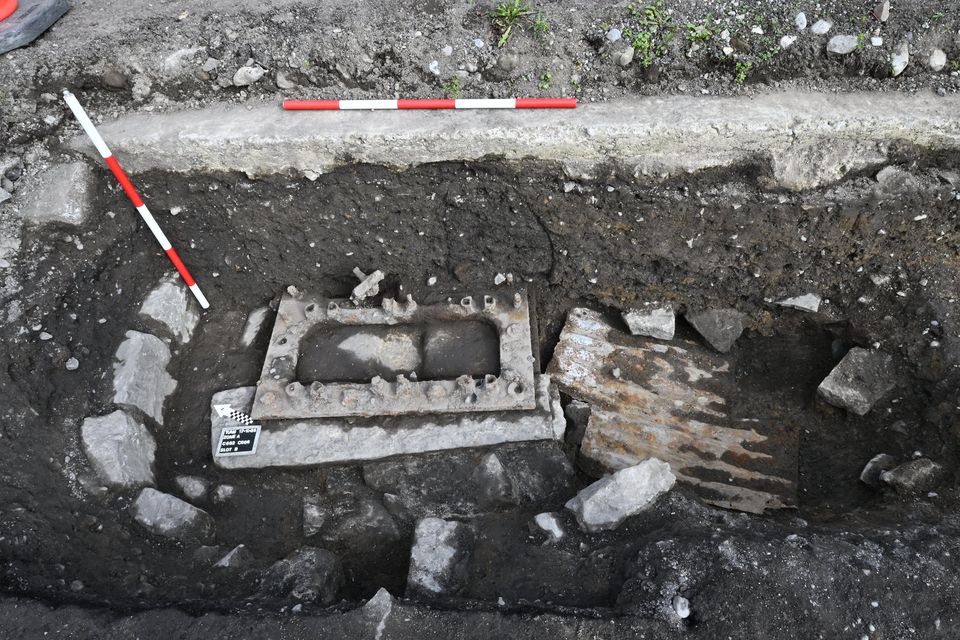
The base of a pump structure uncovered in the former workhouse yard area, with corrugated iron covering a historic drain repair. Credit: ODAIT
From September 25 to October 29, a further two sets of remains were recovered from this area bringing the total to seven sets of historic, skeletal human remains consistent with the Workhouse era.
“In accordance with agreed provisions, ODAIT is cooperating with the National Museum of Ireland, the authority with responsibility for historic human remains, which are outside ODAIT’s mandate,” the technical update said.
ODAIT forensic experts also confirmed that seven sets of human remains were recovered from a location adjacent to where workhouse plans indicated underground vaulted structures.
An initial assessment of these remains indicates that these skeletal remains belong to infants, with a full analysis to be carried out in order to estimate age at death.
ODAIT cannot confirm yet if these remains are from the Workhouse era (1841 to 1918), the military era (1918 to 1925) or the Mother and Baby Institution era (1925 to 1961) as radiocarbon dating and other analysis is being carried out to aid in determining their era of origin.
Analysis to determine their era of origin is expected to take at least three months to complete and the results will be published in a technical update once received.
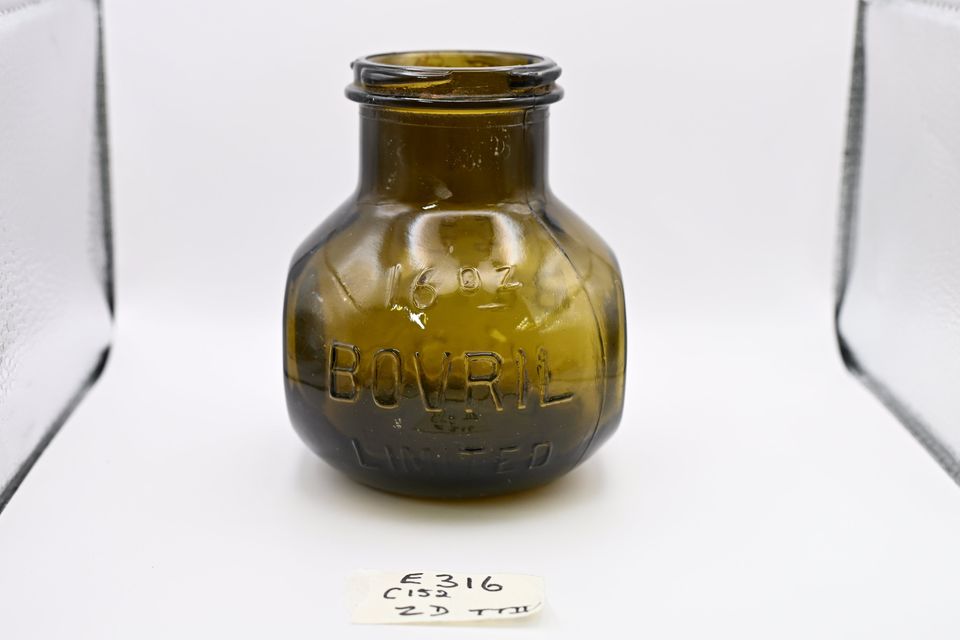
A historic Bovril jar uncovered during the reporting period September 25 to October 29, 2025. Credit: ODAIT
Institutional and historic-era objects recovered during this reporting period included glass, pottery and metal objects, with receptacles such as a glass Bovril jar and personal items such as a razor noted as stand out items.
A large amount of animal bone has also been retrieved throughout the excavation process, likely from the institution, military and workhouse kitchens.
All evidence recovered is being photographed, catalogued and retained by ODAIT.
Also included in the forensic update was details of the Identification Programme, which the Director is now proceeding with.
In the coming weeks ODAIT will contact those who expressed an interest in providing a DNA sample since May 2023.
“ODAIT will explain the Identification Programme, the Application Process and Determination of Eligibility, and will support each applicant through the process,” the update said.
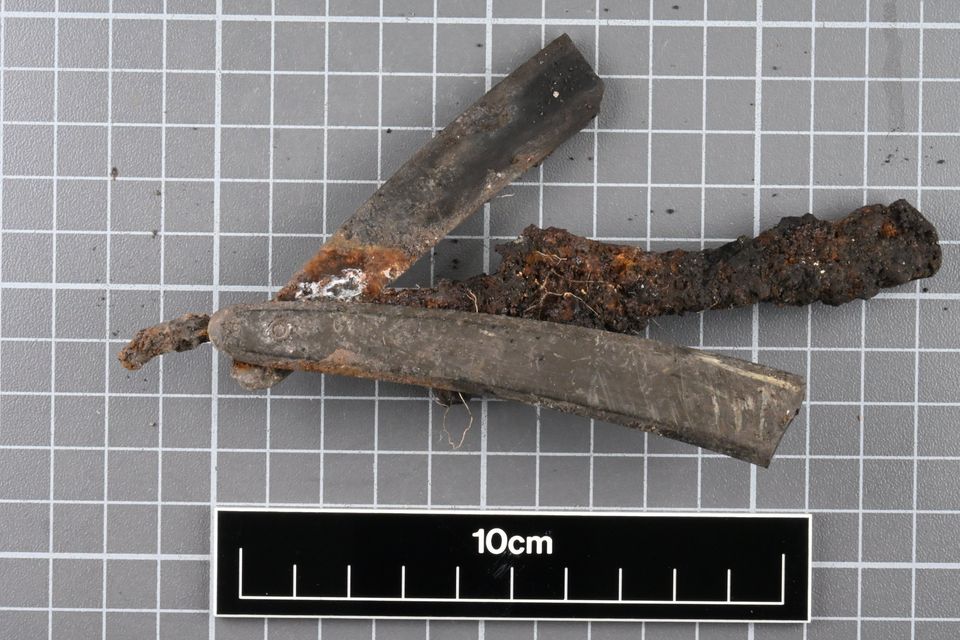
A historic razor uncovered during the reporting period September 25 to October 29, 2025. Credit: ODAIT
“Anyone who believes they are related to someone buried at the Tuam site who has not yet contacted ODAIT is invited to do so.
“They will be assisted through the Application Process and Determination of Eligibility, which may take a number of weeks.
“Once determined eligible in accordance with the Act, a DNA sample will then be taken.”