
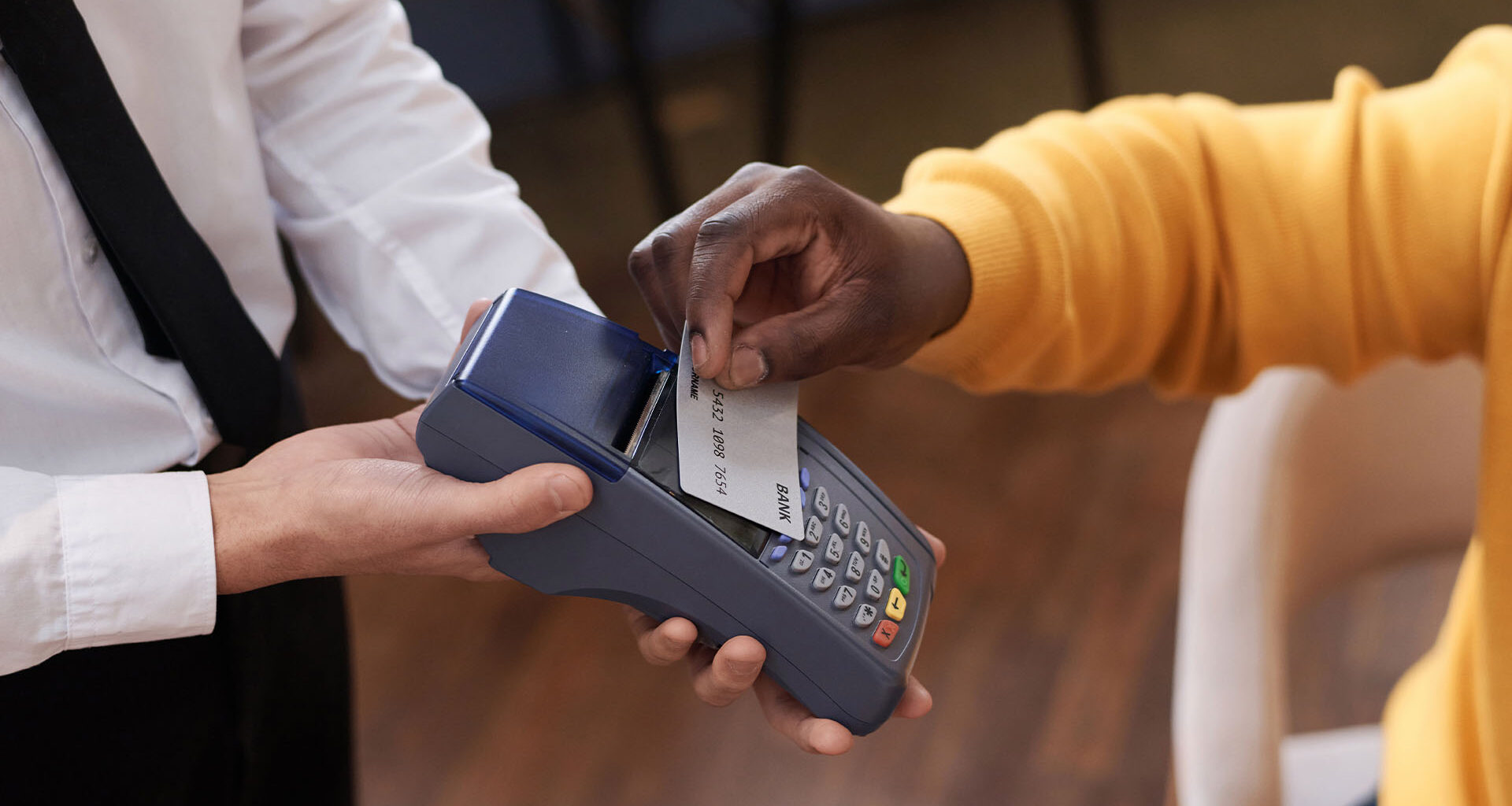
The Government is banning surcharges for in-store payments.
Commerce and Consumer Affairs Minister Scott Simpson made the announcement on Monday afternoon, saying: “Shoppers will no longer be penalised for their choice of payment method, whether that’s tapping, swiping or using their phone’s digital wallet.”
The Government will be introducing the Retail Payment System (Ban on Surcharges) Amendment Bill at the end of this year and it expects the surcharge ban to be in place by May 2026 at the latest.
The ban will apply to most in-store payments made using domestic Mastercard, Visa debit, credit cards and EFTPOS.
When businesses accept payments via things like Mastercard or if someone makes a contactless payment through PayWave, they are charged a merchant service fee.
This fee is usually recovered by businesses through a surcharge or higher product prices that consumers pay for.
Simpson says these are often excessive and in some cases, the retailer doesn’t make it clear what the percentage is.
“New Zealanders are paying up to $150 million in surcharges every year, including excessive surcharges of up to $65 million.
“That’s money that could be saved or spent elsewhere.”
The ban does not apply to online payments, foreign-issued cards, prepaid gift or travel cards, or cards from networks like AMEX or UnionPay.
Although EFTPOS doesn’t come with transaction fees, some businesses still charge extra for it, Simpson says.
“Including EFTPOS makes it clear that there should be no charges for this payment method.”
Simpson says: “A ban on surcharges means no more surprises for people who currently feel like they’re being charged to use their own hard-earned money. It means they can make a purchase knowing exactly what they’ll pay, and how they’ll pay it.”
Going forward, some retailers may have to change their prices to include the costs that businesses pay to banks for processing card payments while other businesses may decide to absorb the cost.
Interchange fees
The Government’s announcement follows the Commerce Commission’s decision to reduce interchange fees paid by New Zealand businesses in order for them to accept Visa and Mastercard payments.
Issuers of Mastercard and Visa cards – usually banks – receive an interchange fee every time someone uses their card to pay for something. Interchange fees make up about 60% of merchant service fees, according to the Commerce Commission.
“The remaining portion of the merchant service fees include fees that are paid to Mastercard and Visa, and to providers of payment services to businesses,” the Commission says.
According to the Commerce Commission, it costs New Zealand businesses around $1 billion a year to accept Visa and Mastercard payments – these costs are often passed to consumers through surcharges and higher product costs.
“The Commission has determined this cost is too high and has acted to reduce this cost for businesses by around $90 million a year.”
In a statement released on July 17, Commerce Commission Chair Dr John Small says: “This is an important step in our continued work to cut costs for businesses and consumers.”
“Our latest decision builds on the initial fee caps set in 2022, which led to $140 million in annual savings to New Zealand businesses.”
Small says “this decision cuts the cost for businesses accepting payments made through credit cards and foreign-issued cards, which are often the most expensive for businesses to accept”.
“We expect our latest decision to see the average small business save around $500 each year in lower fees. Individual businesses could save more or less, depending on the mix of transactions they accept.
“In making this decision we were careful to balance lower costs for merchants today with keeping incentives for new fintechs to innovate and challenge the big established incumbents. That meant leaving enough money in the system to keep it competitive and safe from fraud and scams over the long term.”
New Zealand isn’t the only place that has explored this type of ban. The UK and the European Union have a surcharge ban, and the Reserve Bank of Australia recently reached a preliminary view that it would be in the public interest to remove surcharging on EFTPOS, Mastercard and Visa cards.