
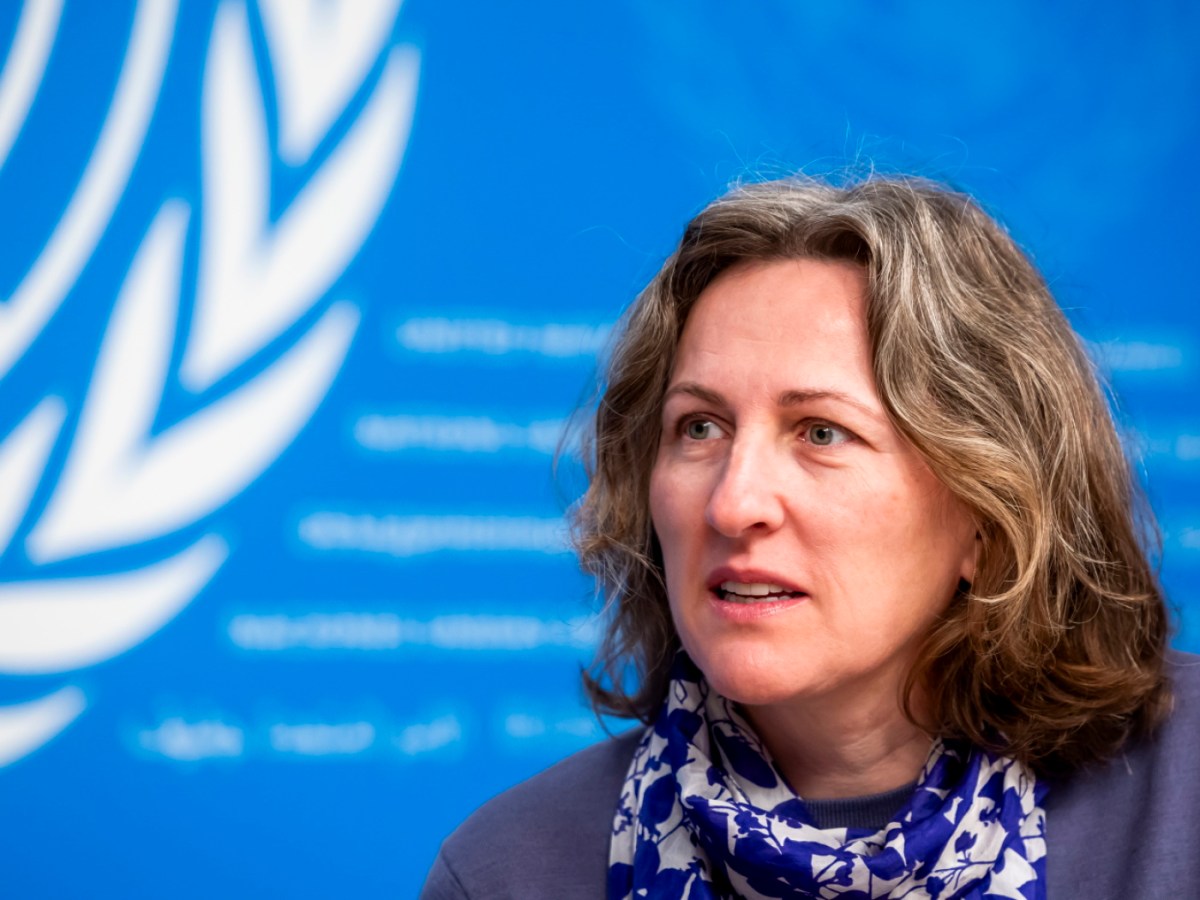
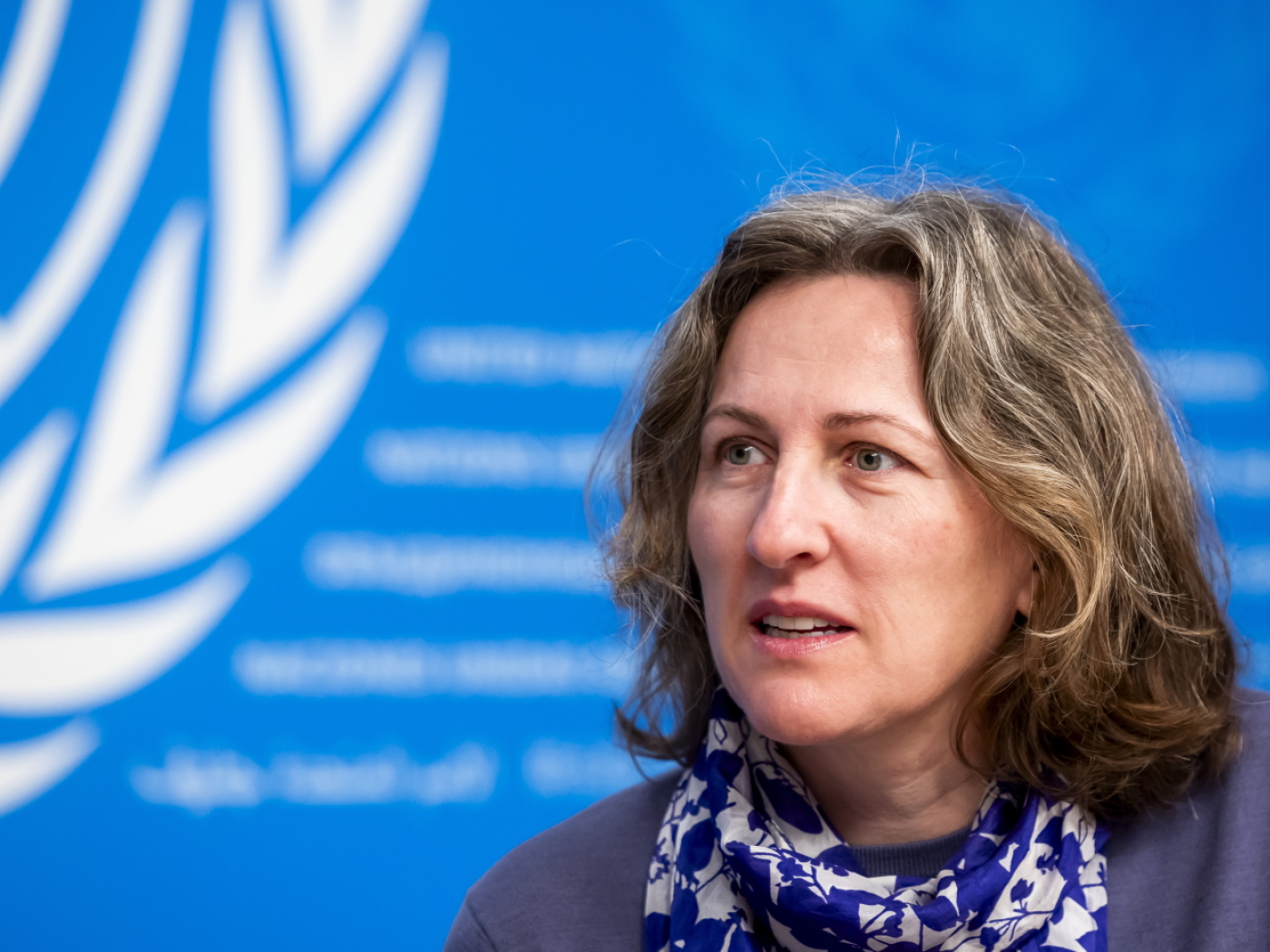
Monika Stankiewicz, Executive Secretary of the Minamata Convention on Mercury.
Keystone-SDA
Listen to the article
Listening the article
Toggle language selector
English (US)
English (British)
Generated with artificial intelligence.
Mercury will be banned in dental amalgams by 2034. The international community approved this at COP6 of the Minamata Convention in Geneva on Friday.
This content was published on
November 7, 2025 – 13:51
+Get the most important news from Switzerland in your inbox
“This is an important step forward for this international agreement,” the meeting’s chairman, Chile’s Oscar Alvarez, told the various countries. Many countries had said they wanted to put an end to the presence of this substance in dental amalgams by 2030, in line with a proposal from African countries. But some countries were blocking this move.
Consensus was reached on a further four-year deadline. It will then be forbidden to manufacture, import or export amalgams containing this substance.
The World Health Organization (WHO) considers mercury to be one of the ten substances of greatest concern for public health. Yet only a few dozen countries have banned it in dental amalgams.
+ Clean-up finally underway at mercury pollution site
In Switzerland, the Bern-based company Batrec exports most of the mercury that leaves the country. A few years ago, it was selling 20 to 25 tonnes a year, 95% of it for dental components. When questioned by the Swiss News Agency Keystone-ATS on Friday, the company did not immediately respond.
On the other hand, the states were unable to reach agreement on whether alternatives to mercury catalysts are “economically and technically” feasible.
Translated from French by DeepL/ts
How we work
We select the most relevant news for an international audience and use automatic translation tools to translate them into English. A journalist then reviews the translation for clarity and accuracy before publication.
Providing you with automatically translated news gives us the time to write more in-depth articles. The news stories we select have been written and carefully fact-checked by an external editorial team from news agencies such as Bloomberg or Keystone.
If you have any questions about how we work, write to us at english@swissinfo.ch