
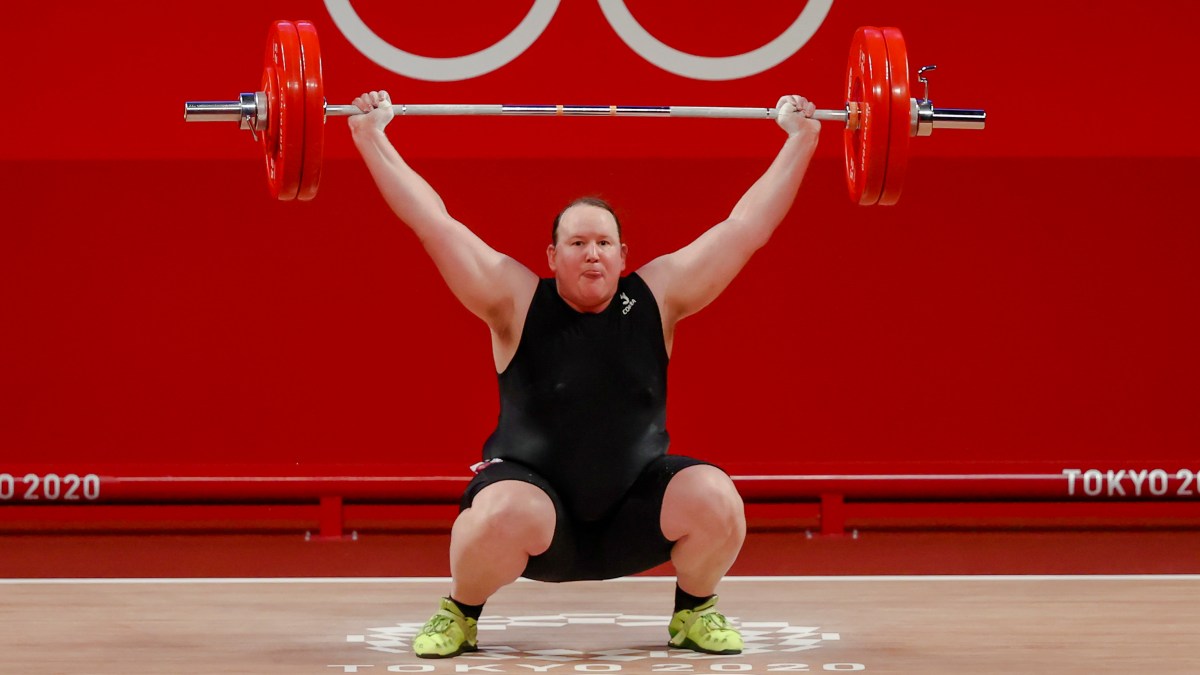
The International Olympic Committee is set to announce a ban on transgender women in female competition early next year after a science-based review of evidence about permanent physical advantages of being born male.
The IOC’s guidance to Olympic sports has until now been that transgender women can compete with reduced testosterone levels but leaves it up to individual sports to decide. That is now set to change under its new president, Kirsty Coventry, who has promised to protect the female category.
The committee’s medical and scientific director, Dr Jane Thornton, last week presented to IOC members at a meeting in Lausanne the initial findings of a science-based review into the issues of transgender athletes and athletes with differences of sexual development (DSD) competing in female sport.
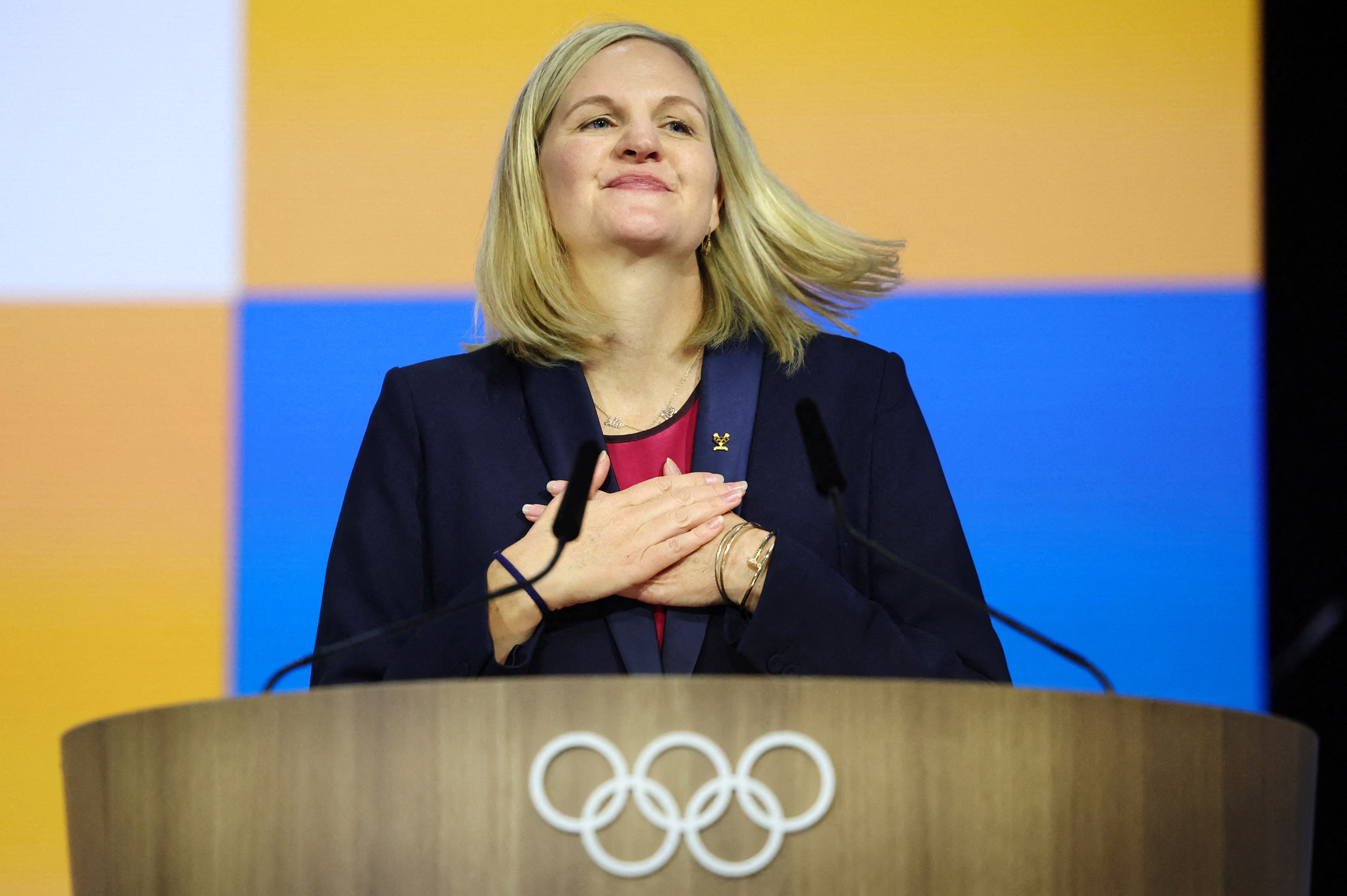
Coventry won 200m backstroke gold for Zimbabwe at the 2004 Athens Olympic Games and in Beijing four years later
REUTERS
Sources said the presentation by Thornton, a Canadian former Olympic rower, stated that scientific evidence showed there were physical advantages to being born male that remained with athletes, including those who had taken treatment to reduce testosterone levels.
“It was a very scientific, factual and unemotional presentation which quite clearly laid out the evidence,” one source said. Another IOC insider said there had been hugely positive feedback from IOC members about the presentation.
It is understood the IOC is likely to announce its new policy early in the new year, possibly around the IOC session at the Milan-Cortina winter Olympics in early February.
Some work remains to be done to ensure the new policy is legally watertight. Until now the IOC’s policy has been based on recommendations and guidance to sports rather than actually being part of its eligibility rules.
Some sports such as athletics and swimming have already brought in a ban on athletes who have been through male puberty taking part in female competition but others, including football, have not.
Coventry, a former Olympic swimmer from Zimbabwe who was elected earlier this year, said in June: “We understand there will be differences depending on the sports. We should make the effort to place emphasis on the protection of the female category and we should ensure that this is done in consensus with all the stakeholders. But we need to do that with a scientific approach and the inclusion of the international federations who have already done a lot of work in this area.”
The new policy is also likely to cover DSD (differences of sex development) athletes — those who were raised as girls from birth but have male chromosomes and male levels of testosterone.

Khelif won welterweight gold at the Olympic Games in Paris last year
REUTERS/PETER CZIBORRA/FILE PHOTO
That follows the huge controversy at the boxing tournament at the Paris 2024 Olympics when two boxers, Imane Khelif from Algeria and Taiwan’s Lin Yu-Ting, won gold medals despite having been disqualified from the previous year’s World Championships for allegedly failing to meet gender eligibility criteria.
World Boxing, the new international boxing federation which has been recognised by the IOC since Paris, has now introduced mandatory sex testing and has said Khelif will not be able to compete in the female category until she undergoes the test.