
This backdrop has put the COP talks in a difficult position as nations aim to make progress on tackling climate change without the participation of the world’s biggest economy.
Some delegates fear that the US could still decide to send officials to undermine the talks. Other environmental talks collapsed this year following US pressure, labelled “bully-boy tactics” by some participants.
Addressing officials in Belém, UN climate chief Simon Stiell initially struck an optimistic tone. He said significant progress had been made in the last decade to reduce emissions of planet-warming gases.
But then he took aim at “squabbling” between countries.
“Not one single nation among you can afford this, as climate disasters rip double-digits off GDP,” he said.
Brazil wants to use its presidency of the talks to secure progress on key promises made in previous years.
That includes moving away from the use of planet-warming fossil fuels, finance for developing countries on the frontline of climate change, and protecting nature.
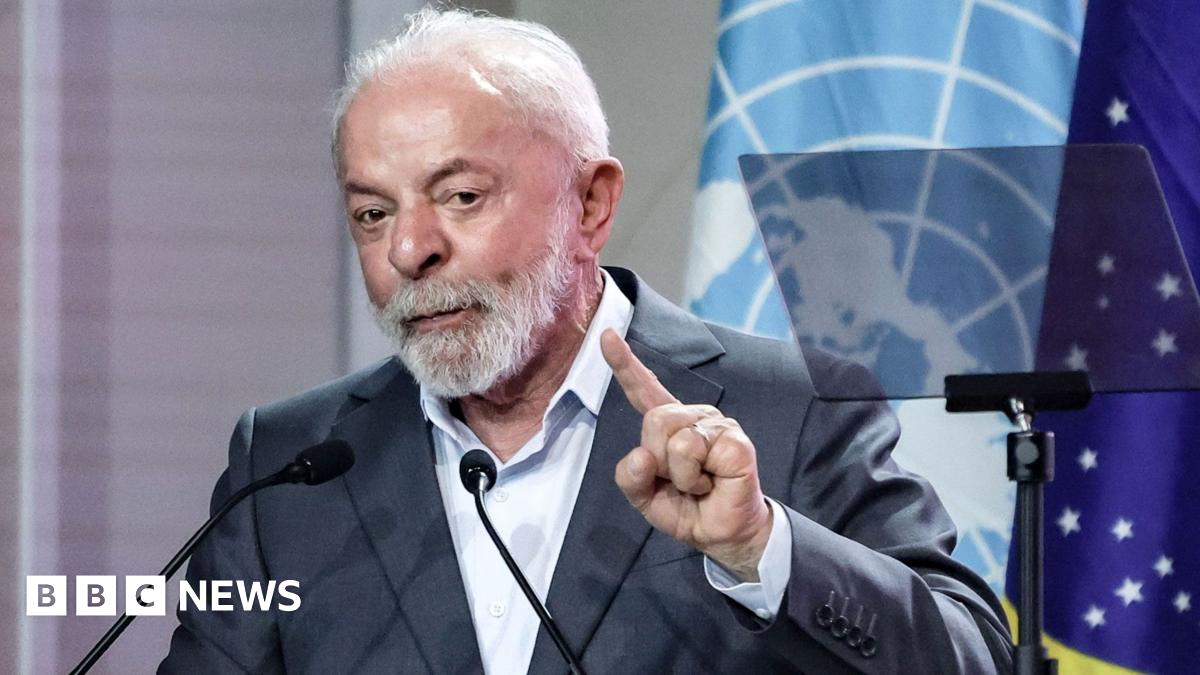
President Lula’s centrepiece is a fund called the Tropical Forest Forever Facility (TFFF) that Brazil hopes will raise $125bn to protect tropical forests globally.
Fund-raising got off to a slow start. Last week UK Prime Minister Keir Starmer said, at the last minute, that the UK would not contribute public money.
But on Monday, UK climate envoy Rachel Kyte told BBC News that the fund was a “brilliant idea” and that the UK “will make the investment at some point”.