
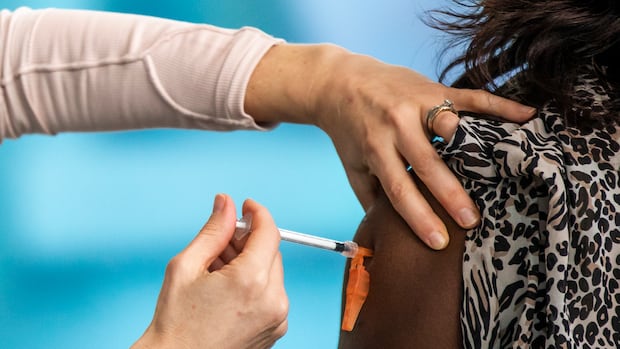
Health experts are urging Albertans to double check if they qualify for a free COVID-19 shot, warning the province’s controversial fall immunization campaign is sparking ongoing confusion.
The Alberta government has faced weeks of pushback for its decision to charge many people $100 for the shot.
And while the province is indeed an outlier in Canada – one of just two provinces opting to charge for the vaccine – people with a range of health conditions can potentially qualify for a publicly-funded dose.
“It was stressful to start with because initially … my husband and I thought that we would not be eligible,” said Calgary senior Mary Hodges.
“At $100 each, when you’re on a fixed income, you start to watch those pennies much more closely.”
Doctors and scientists say Alberta is diverging from National Advisory Committee on Immunization guidance, including a recommendation that all seniors be among the high-risk groups getting the shot.
After doing some research, Hodges found Alberta’s eligibility list published online, read through it thoroughly, and discovered that both she and her husband qualified.
“That was a relief,” said Hodges after getting her free flu and COVID shots.
“I do worry because you do have to read it very carefully to make sure you do fit, and I think it is stressful for a lot of people.”
The Alberta government is providing the COVID vaccine for free to people with the following conditions:
Cerebrovascular disease.Chronic liver diseases.Chronic lung diseases.Chronic kidney diseases.Cystic fibrosis.Diabetes (Type 1 and Type 2).Disabilities (for example, Down syndrome; learning, intellectual or developmental disabilities; ADHD; cerebral palsy; congenital disabilities; spinal cord injuries).Heart conditions (for example, cardiomyopathies, coronary artery disease, heart failure).Mental health disorders (limited to: mood disorders, including depression; schizophrenia, spectrum disorders).Obesity.Pregnancy.Tuberculosis.Cancer (in treatment).HIV infection.Primary immunodeficiency diseases.Solid organ or blood stem cell transplant.Use of corticosteroids, other immunosuppressive medication or CAR T-cell therapy.
In addition, health-care workers, teachers, people living in care homes or receiving home care, seniors on the Alberta Seniors Benefit and people experiencing homelessness are eligible for the provincially funded shot.
According to a statement from the provincial government, 150,187 COVID vaccine doses had been administered for free through the publicly funded program as of Nov. 1.
Alberta’s respiratory virus dashboard shows a total of 183,880 doses had been given out at that time, which translates to 3.8 per cent of the population.
‘Be very aware’
Depending on how the eligibility list is interpreted, a lot of Albertans could qualify, according to Edmonton emergency room physician Dr. Shazma Mithani.
“I think it’s really important for people to be very aware of what that list is — take a look at it before you go. Read every line detail by detail and think about whether you do actually have any conditions that make you covered for the COVID-19 vaccine,” she said.
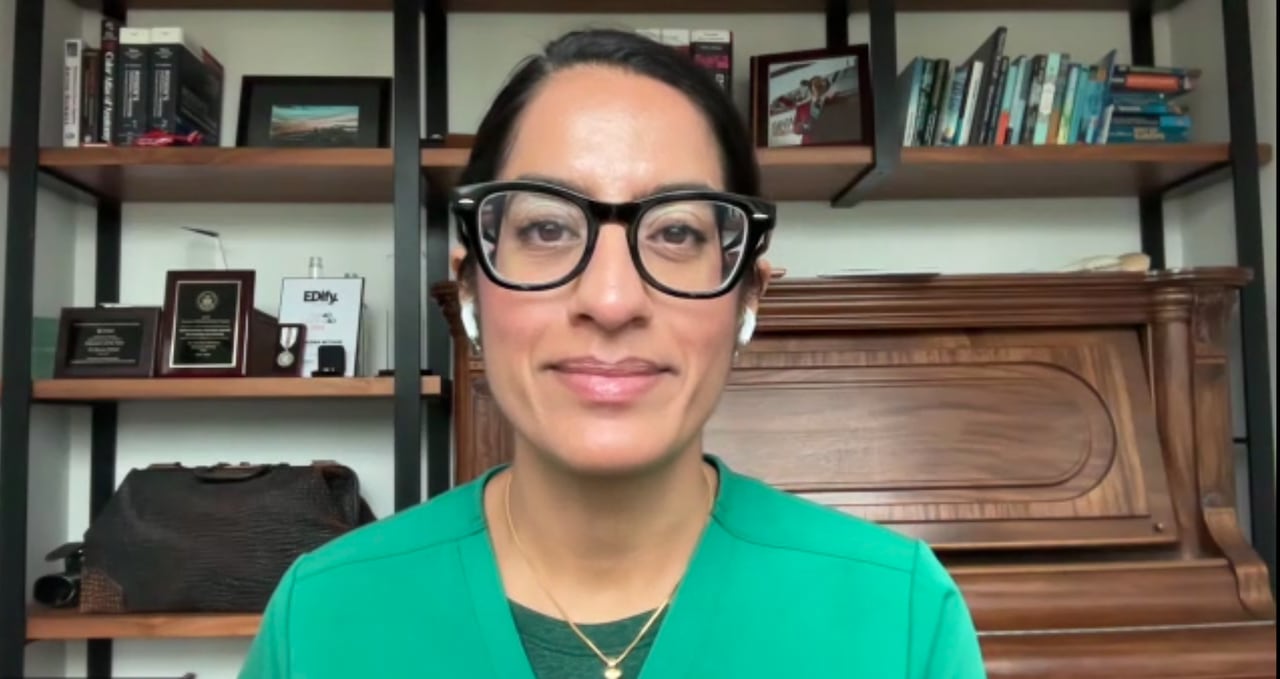 Dr. Shazma Mithan is an emergency room physician in Edmonton. (Jennifer Lee/CBC)
She’s urging Albertans to discuss their medical history with the public health nurse during their vaccination appointment, including details such as an asthma or COPD diagnosis, and experiences with mood disorders, among other conditions.
“Those are things that could, potentially, qualify for the COVID-19 vaccine to be covered,” said Mithani.
This season’s COVID vaccination program has changed since it was first announced by the Alberta government earlier this year.
For example, health-care workers were not initially deemed eligible for a free shot. The province added them to the list after a public outcry.
Mithani is worried these changes are adding to the confusion and presenting another barrier to Albertans getting the shot.
“This information is not intuitive, and the lists are long and they’re detailed,” said Craig Jenne, the deputy director of the Snyder Institute for Chronic Diseases at the University of Calgary.
“I would imagine it’s extremely difficult for the average Albertan to understand.”
I think we should protect people a little more than we do with regard to health.- Mary Hodges, Calgarian
Jenne notes the list includes a broad spectrum of conditions that may make someone eligible, noting some include detailed examples, while others do not.
“I would hope that we’re going to err on the side of safety here where, when in doubt, we offer a vaccine to somebody who has an underlying condition and is concerned about the virus,” said Jenne, who is also a professor in the department of microbiology, immunology and infectious diseases at the university.
Beyond the concerns over who is and isn’t eligible, the COVID vaccine program faced pushback when Albertans struggled with the online booking system and Health Link was overwhelmed, leaving some people trying to get through for days.
“These barriers, these hoops that people have to jump through, mean there will be people who want a vaccine who will feel unable to get it,” said Jenne.
Nurses check eligibility on the spot
The Ministry of Primary and Preventative Health Services said the government is focused on protecting those at highest risk for severe outcomes.
“Public Health nurses conduct clinical risk assessments for individuals seeking the COVID-19 vaccine to determine eligibility for free vaccination,” a statement emailed by press secretary Maddison Mckee said in part.
Albertans who aren’t sure if they qualify should book an appointment with public health, she said.
“Nurses can review their medical history and provide clear guidance based on the government’s eligibility criteria.”
Hodges said once she figured out she qualified, the process was fairly simple. At her appointment, a public health nurse showed her the eligibility list and asked if she had any of the conditions.
“I just had to say yes or no,” said Hodges, adding she had to sign a form indicating she was eligible.
Still, the best approach, according to Jenne, would be to make the COVID vaccine free to all who want it.
Hodges agrees.
“I think we should protect people a little more than we do with regard to health,” she said.