
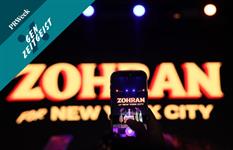
Gen Zers showed up in droves to lead Zohran Mamdani to victory this past week. By utilizing social media, digital tools and non-traditional media outlets, the New York City Mayor elect reached and connected with Gen Z voters in innovative ways.
In October 2024, a little known assemblyman launched one of the most effective mayoral campaigns to win the vote of the most populated city in the U.S. Mamdani’s strategy was so successful that he reached the $8 million dollar funding cap for political campaigns.
By employing niche media channels, trends and clever messaging, Mamdani was able to resonate with younger voters who showed up at the polls to support him in record numbers.
Mamdani approached his campaign with Gen Z voters in mind, tapping into pop culture and timely cultural references.
New Yorkers love their halal carts, so, Mamdani turned it into a relatable entry point to discuss a pressing economic issue. In January, Mamdani released a video titled, New York City is suffering from Halalflation, in which he visited street vendors around the city to find out why a plate of halal food has become so expensive over the last couple of years — and then gave his policy proposals.
The tactic was not only a clever way of combining a staple of New York food culture with an economic term, but, by coining the term “Halal-flation,” Mamdani simplified a complex issue through cultural relevance. By using common everyday street food as an example, he was able to speak with actual business owners and residents affected by the issue about how he planned to address it as mayor.
On October 3rd, Mamdani’s team dropped a parody of the famous Mean Girls scene — “It’s October 3rd” — reminding 18-year-olds there were only three weeks left to register to vote. The ad combined nostalgia and humor, making it far more memorable and impactful than a typical campaign PSA. It’s not the only time Mamdani tapped into pop-culture references.
In another advertisement that aired during The Golden Bachelor, Mamdani asked viewers if they would “accept his rose.” The spot was an obvious reference to the classic rose ceremonies that take place throughout The Bachelor franchise, but it was also a nod to the historic symbol of the labor and socialist-feminist movement. The rose symbol dates back to the 1912 “Bread and Roses” strike when the Industrial Workers of the World used the phrase “Bread for all, and Roses too,” signifying the right to dignity, respect and quality of life.
Perhaps Mamdani’s most effective PR tool was his Savings Calculator. Through the Zohran for New York City campaign website, users could input their rent or income and instantly see how much they would save under Mamdani’s proposed policies — such as rent stabilization, free public transit or debt cancellation.
Rather than simply saying “I support social housing” or “I want to tax the rich,” Mamdani’s calculator let voters see for themselves how much money they would personally save under his proposals. The tool shifted the conversation from ideology (“socialism”) into personal impact (“you save $300 a month”). By creating the personalized and interactive tool, Mamdani helped voters see how political ideology could be translated into impact.
When people can see themselves in your story, they’re far more likely to believe in it.
Mamdani’s storytelling was by far his most engaging campaign tactic. He painted pictures of his knowledge and understanding of the city’s history through his Until it’s Done series, looking back at New York City’s historical figures as proof of how his vision can “shape the future.”
He also hosted man-on-the-street interviews, connecting with the everyday men and women on the streets of New York City, not to gain votes or pitch policies, but to listen and learn.
These conversations shaped his successful campaign more than his charm, social media prowess or any of the other analyses by political pundits. Whether it was bodegas, subway stations, busy sidewalks or even during the New York Marathon — meeting people where they actually are became Mamdani’s most powerful strategy.
By utilizing all these tactics Mamdani was able to position himself as not only relatable, but as a politician who talks with people, not at them. He convinced young voters in a way his successors and competitors clearly hadn’t, leading to a historic turnout.
But Mamdani’s campaign wasn’t just about social media. It was about empathy, creativity and connection. He didn’t sell policies — he told stories. Something that not just political strategists need to emulate, but PR pros of all industries can use as a framework. In 2025, that’s what ultimately won over Gen Z.
Author’s note: This column is focused on campaign strategy and PR effectiveness, not political affiliation or support.
Suhas Vittal is a graduate of New Jersey City University with a degree in marketing and public relations.