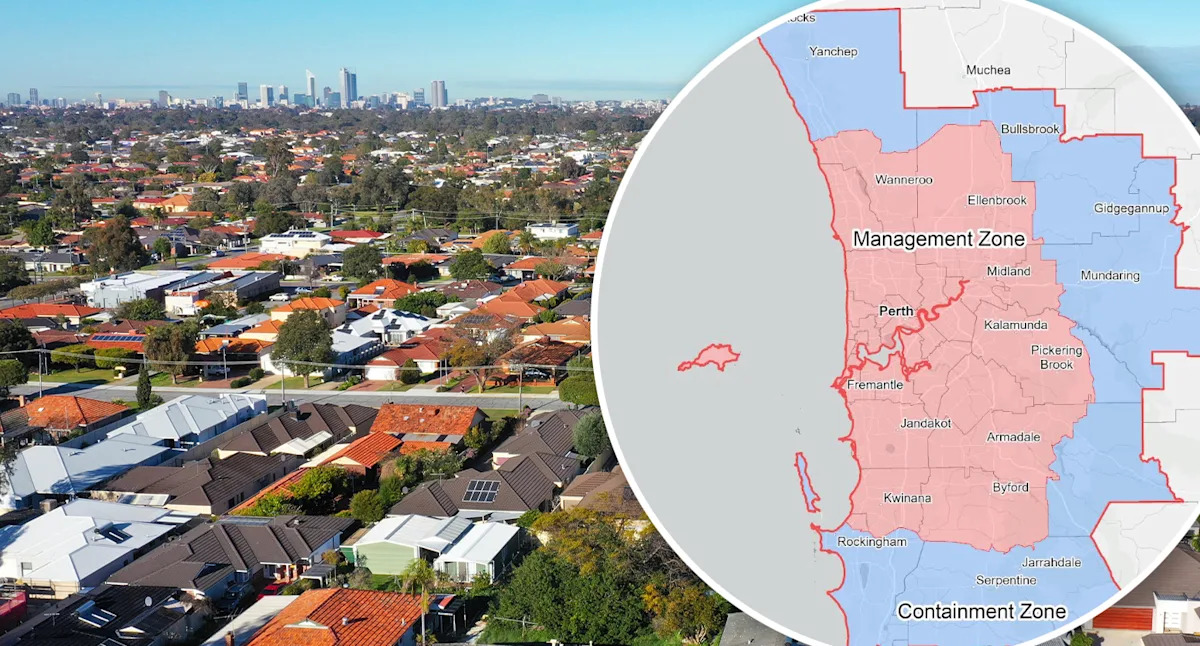
A quarantine zone will be expanded around an Australian capital city from Friday as local authorities scramble to halt the spread of a destructive invasive pest. The tiny critter, known as the polyphagous shot-hole borer, has been wreaking havoc in suburbs across Perth since it was first detected in Western Australia in 2021 and poses a huge threat to the entire country.
The beetle, native to Southeast Asia, has led to the removal of thousands of trees across the city, including in some of its most iconic locations such as Kings Park and Rottnest Island.
It’s taken a serious toll on Perth’s already struggling tree canopy and sparked huge concerns that the pest could wipe out entire forests and agricultural crops.
To the dismay of environmental groups, the federal government admitted in June it had lost the multimillion-dollar battle to eliminate the problematic bug in Western Australia. The Invasive Species Council said it could put the entire nation at risk.
However, authorities haven’t thrown in the towel.
On Wednesday, WA’s Department of Primary Industries and Regional Development (DPIRD) announced new quarantine areas will come into effect for the entire Perth metropolitan area from Friday in a bid to minimise the growing threat.
The expanded quarantine area is split into two sections: the inner “management zone”, which covers the suburbs where the beetle infestation continues to rage, and an outer “containment zone”, where there are “very low levels” of the pest.
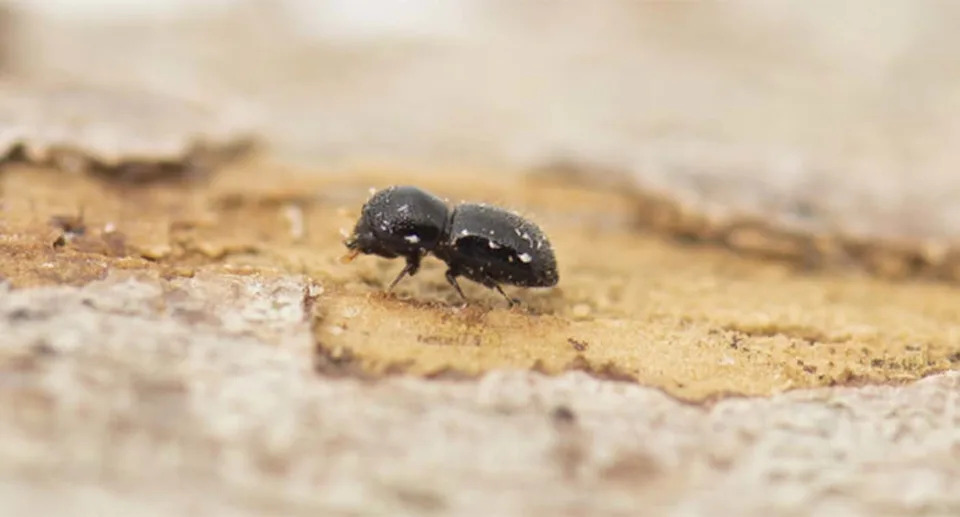
In June, the federal government admitted it had lost the multimillion-dollar battle to eliminate the problematic shot-hole borer in Western Australia. Source: DPIRD
How will the expanded shot-hole borer quarantine work?
Under the restrictions, movement of any host material within the quarantine area is discouraged, while the movement of any host material from the quarantine area to outside areas is prohibited.
Landowners in the “management zone”, which now stretches from just north of Wanneroo to Kwinana, will not be required to remove trees affected by the borer, DPIRD said.
It will be their responsibility to manage their own trees and decide on management options. The national response will no longer undertake the removal or pruning of infested trees in the “management zone”, however such work will be prioritised in the “containment zone”.
Residents who have infested trees that were designated for pruning or removal before eradication efforts ended will still be able to work with authorities to prune or remove them at no cost.
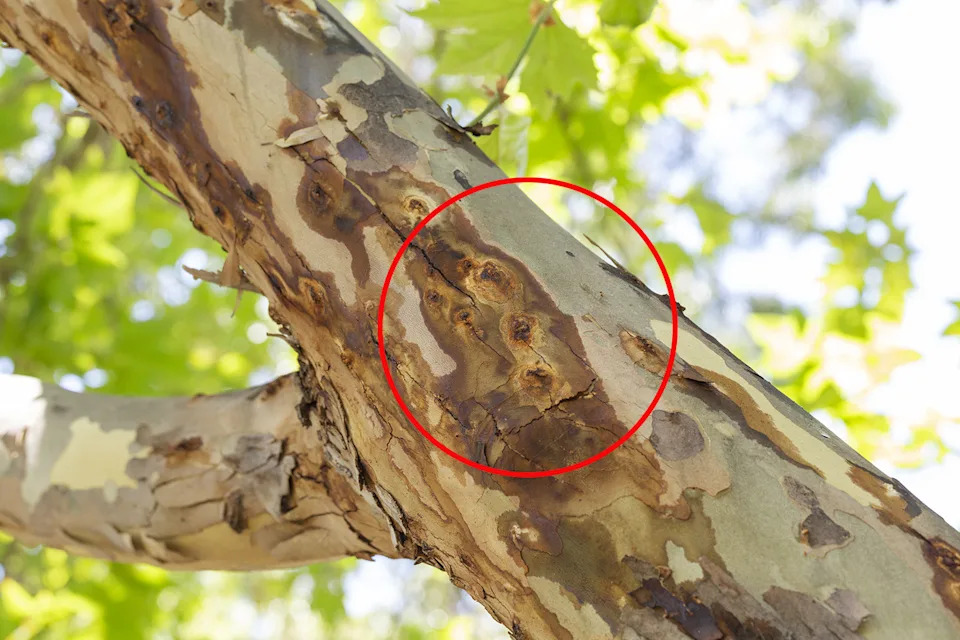
The public has been urged to be on the lookout for telltale signs of the shot-hole border, including small, bullet-like burrows. Source: The City of Vincent
WA government pledges $4.7m to long-term management of pest
The DPIRD also announced that a specialist team will be formed to help homeowners and local councils “as the national biosecurity response transitions to long-term management of the borer”.
The department’s Deputy Director General Biosecurity and Emergency Management, Dr Mia Carbon, said the new Capacity Building and Training team includes four units, each dedicated to either local government, industry, community or general information.
“They will deliver an integrated pest management program, along with training, technical workshops and community education to help prepare for long-term management,” she said.
“The team will also work with arborists, nurseries and the horticulture industry to ensure they have the latest tools and knowledge to manage the borer.”
Biosecurity is everyone’s responsibility, Dr Carbon added, and a collaborated effort will be “the best chance of limiting the spread of the borer and minimising its impact on our tree canopy and valuable horticulture industries”.
The WA government has pledged $2.5 million to help local councils manage infested trees in the critical metropolitan zone, as well as $2.17 million in funding for research into control and treatment options.
If you suspect a shot-hole borer infestation on your property, contact the DPIRD Pest and Disease Information Service on (08) 9368 3080, or by email at padis@dpird.wa.gov.au.
Do you have a story tip? Email: newsroomau@yahoonews.com.
You can also follow us on Facebook, Instagram, TikTok, Twitter and YouTube.