
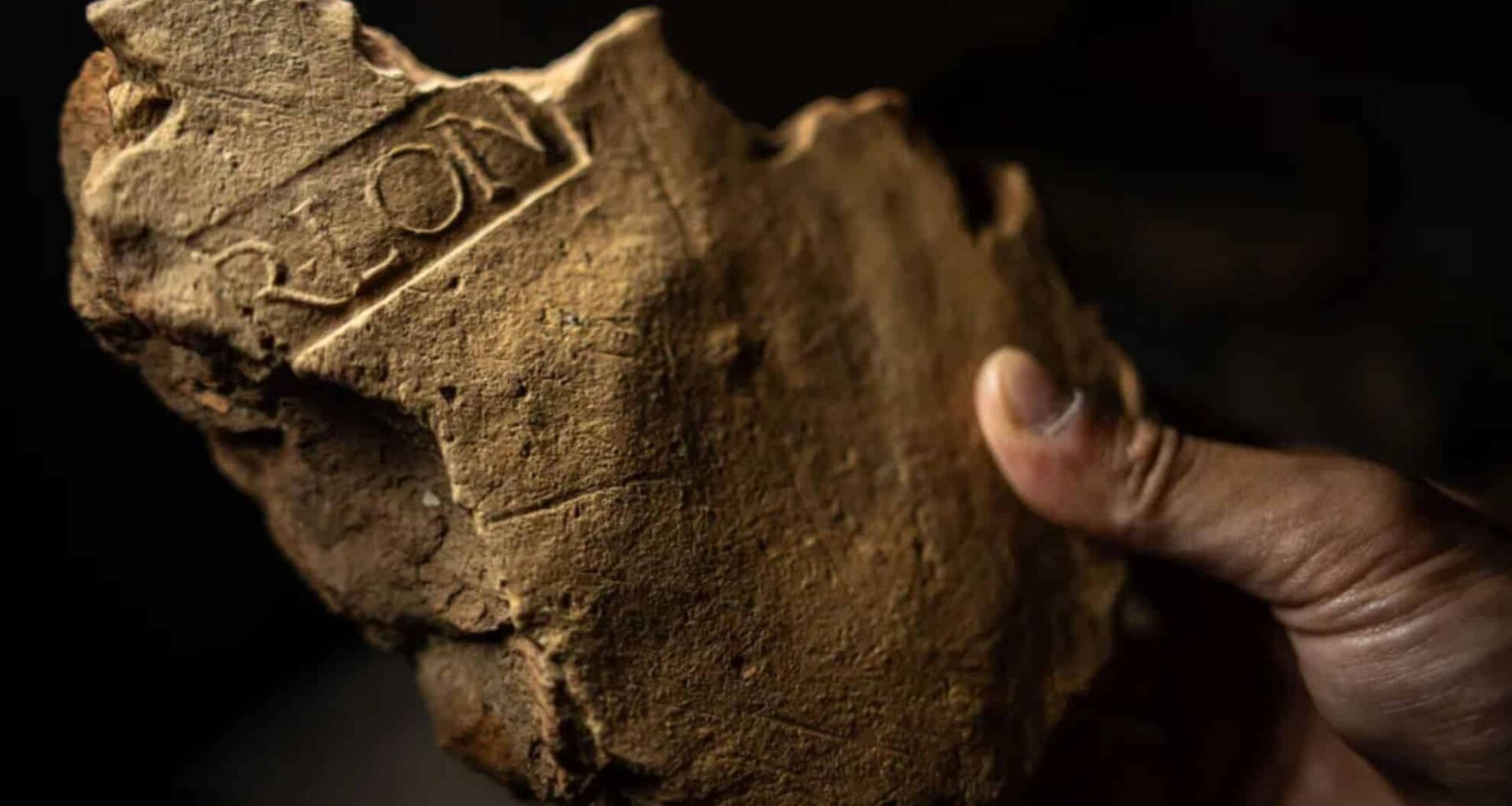
Archaeologists in London have successfully reassembled a complex Roman fresco discovered in the Southwark district, calling it the “world’s most difficult jigsaw puzzle.” The fresco, estimated to be over 1,800 years old, had lain in thousands of fragments since the destruction of a Roman villa constructed between A.D. 43 and 150. The intricate painting, unearthed in 2021 during redevelopment works, once adorned the walls of a grand structure and had not been seen since antiquity.
Roman Britain’s Greatest Puzzle
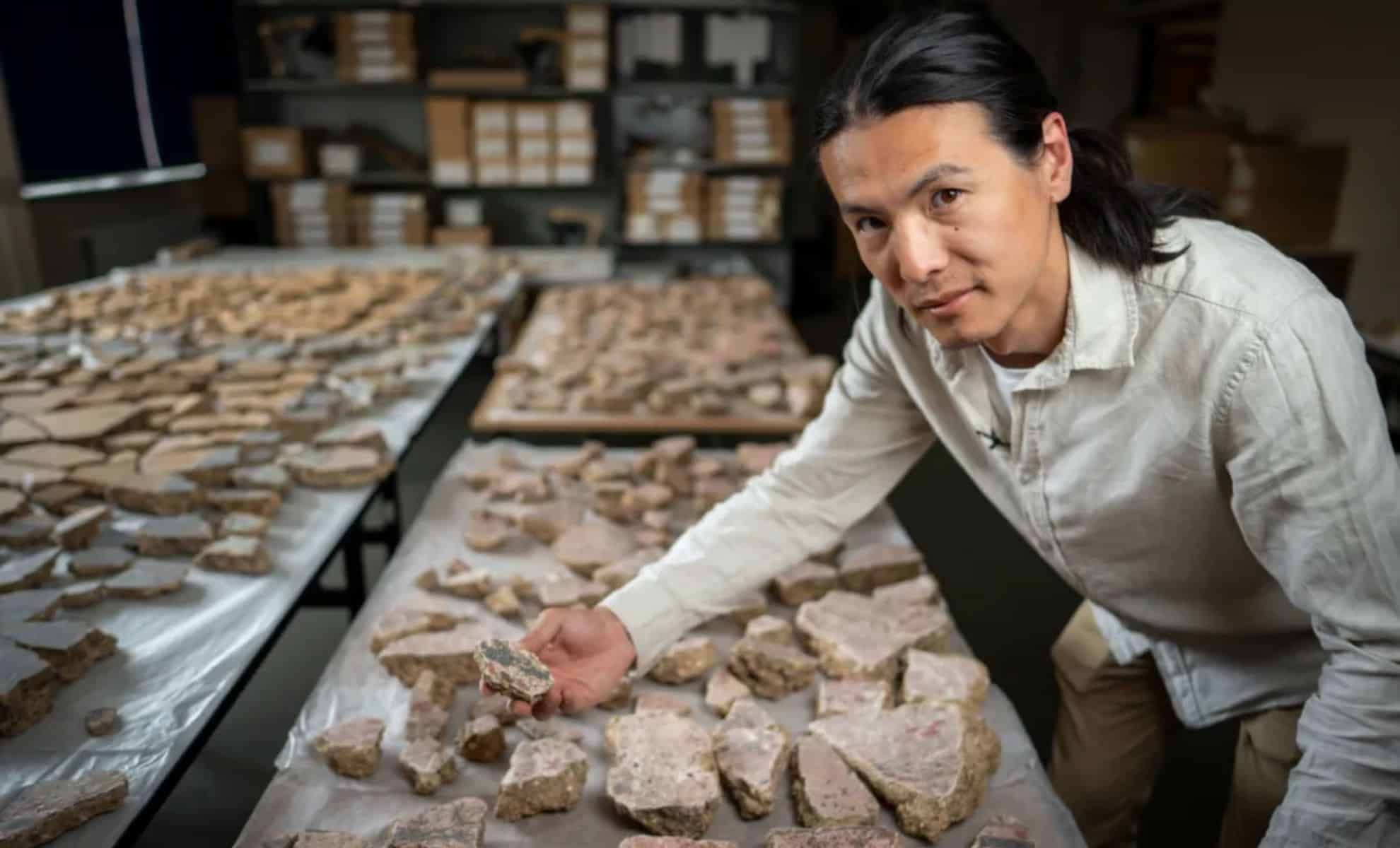
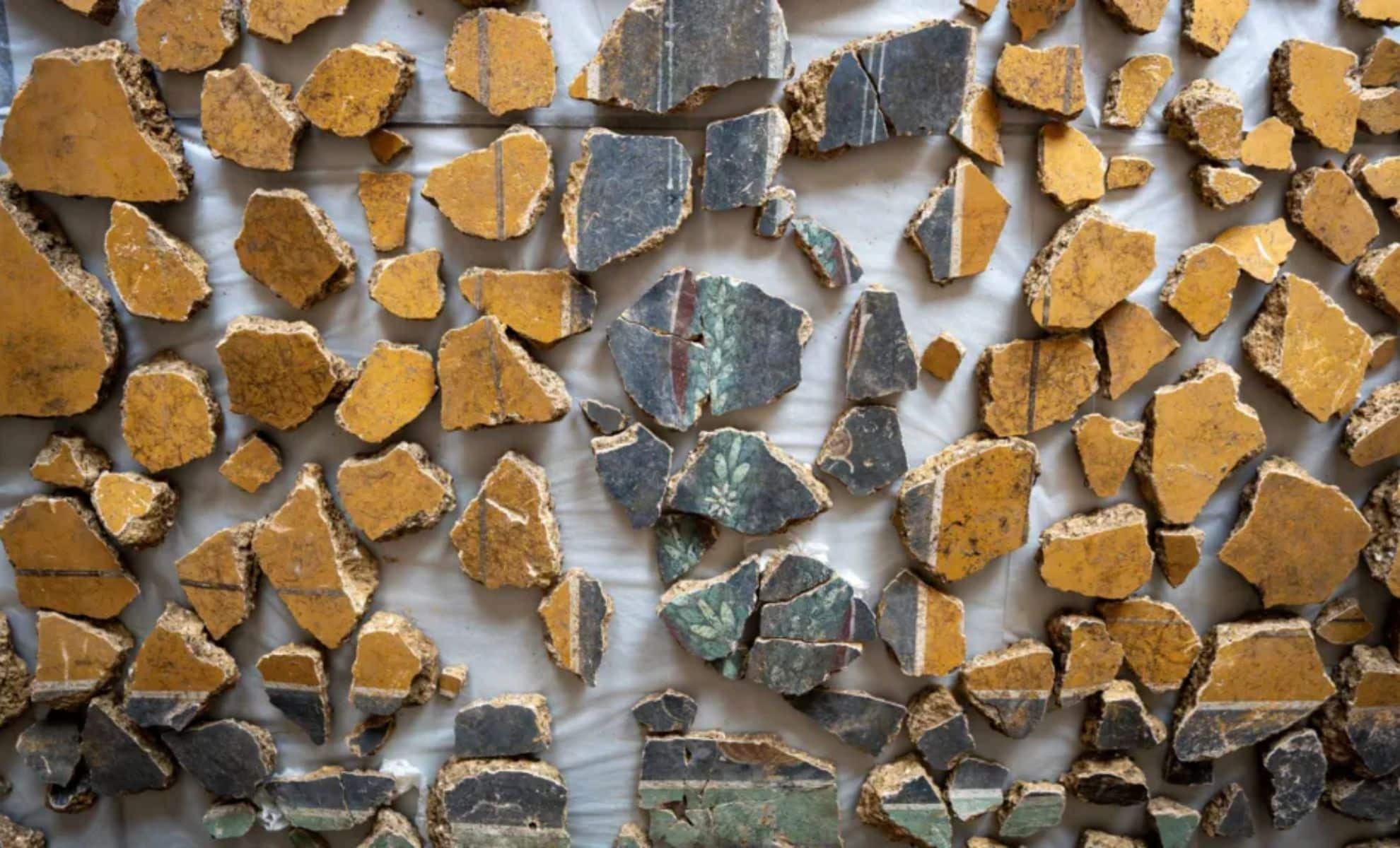
The restoration was led by Han Li, a senior building material specialist at the Museum of London Archaeology (MOLA). Over a period of three months, Li and his team meticulously pieced together the shattered plaster, revealing a remarkably detailed fresco filled with imagery of birds, lyres, fruit, and flowers.
The fragments had been so jumbled that Li described the process as being “like assembling the world’s most difficult jigsaw puzzle.” Many of the shards were fragile, and came from different walls, adding to the difficulty of the task.
The original fresco had been destroyed within 157 years of its creation, likely during a violent or abrupt event that left the artwork shattered and buried. Despite the damage, the reconstruction restored the fresco to its former arrangement, giving archaeologists rare insight into Roman artistry in Britain.
Credit: Tony Jolliffe/BBC News
Clues From Ancient Graffiti And Pigments
The fresco is more than just an aesthetic display. It also offers a glimpse into the habits and personalities of those who created and inhabited the space. Among the most intriguing discoveries is the Greek alphabet etched into the plaster. Similar graffiti found in Italy suggests it could have served as a checklist or tally, and the precision of the writing indicates it was made by someone with considerable literacy skills.
Another significant find was the Latin word “fecit”, which translates as “has made this.” It was inscribed within a decorative cartouche—a style Roman artists often used to sign their work. Unfortunately, the plaster is damaged precisely where a name would have appeared, leaving the creators anonymous. Also hidden within the fragments are painter’s guidelines, faint sketches visible only under specific lighting.
Foreign Influences And Artistic Details
The artistry of the fresco reflects influences from regions far beyond Britain. According to the excavation team, the designs show stylistic inspiration from areas now part of Germany and France, indicating the widespread reach of Roman aesthetic standards. The artwork features rectangular paneling, a popular Roman decorative motif, but what makes this example stand out is the use of a rare yellow pigment, which is seldom found in similar contexts.
This combination of Roman taste with regional variations hints at the wealth and cosmopolitan outlook of the villa’s occupants. The elaborate nature of the fresco reinforces the idea that such art was a marker of status and cultural identity in Roman Britain.
Credit: Tony Jolliffe/BBC News
The Villa’s Mystery Remains Unsolved
Despite the detailed artistic recovery, questions still surround the purpose of the Roman building that once housed the fresco. The archaeological team suggests it might have served a commercial role, possibly involved in the storage or distribution of jars and vessels shipped to London from across the Roman Empire.
Its proximity to trade routes and the discovery of domestic-style decorations lend credence to this theory, though definitive conclusions remain elusive. For now, the restored plaster panels stand as a remarkable achievement in archaeological conservation and a vivid window into the Roman world.