
In an unusual move, Valve has also announced further hardware – its Steam Frame virtual reality (VR) headset.
The device is entirely wireless – and it described it as a “streaming-first” device – but it is also itself a PC running SteamOS.
And it brings a technical leap forward in the VR space – the headset displays the highest-quality graphics only in the bits of the screen you’re looking at.
With the sweeping new device announcements, Valve is setting itself up to rival its more established competitors.
In recent years, Microsoft-owned Xbox has placed its subscription service Game Pass at the heart of its offering for gamers – some say at the expense of its console crown.
Meanwhile the PS5 has been the best-selling console for some time, but fans have been left asking when its successor will appear on the market.
Brandon Sutton, games industry analyst at Midia research, said the announcements showed Valve’s “strong grasp of where the gaming market is headed and what gamers want”.
“With Sony and Microsoft moving away from console exclusives, and the prevalence of games streaming services, it has never been a better time for a PC-Console hybrid,” he told the BBC.
Meanwhile industry expert Christopher Dring likened its potential and appeal to that of Valve’s handheld Steam Deck console, with its “lucrative but niche” audience of “around four to five million players”.
“Most of those people were already Steam customers looking to take their PC games on-the-go,” he said.
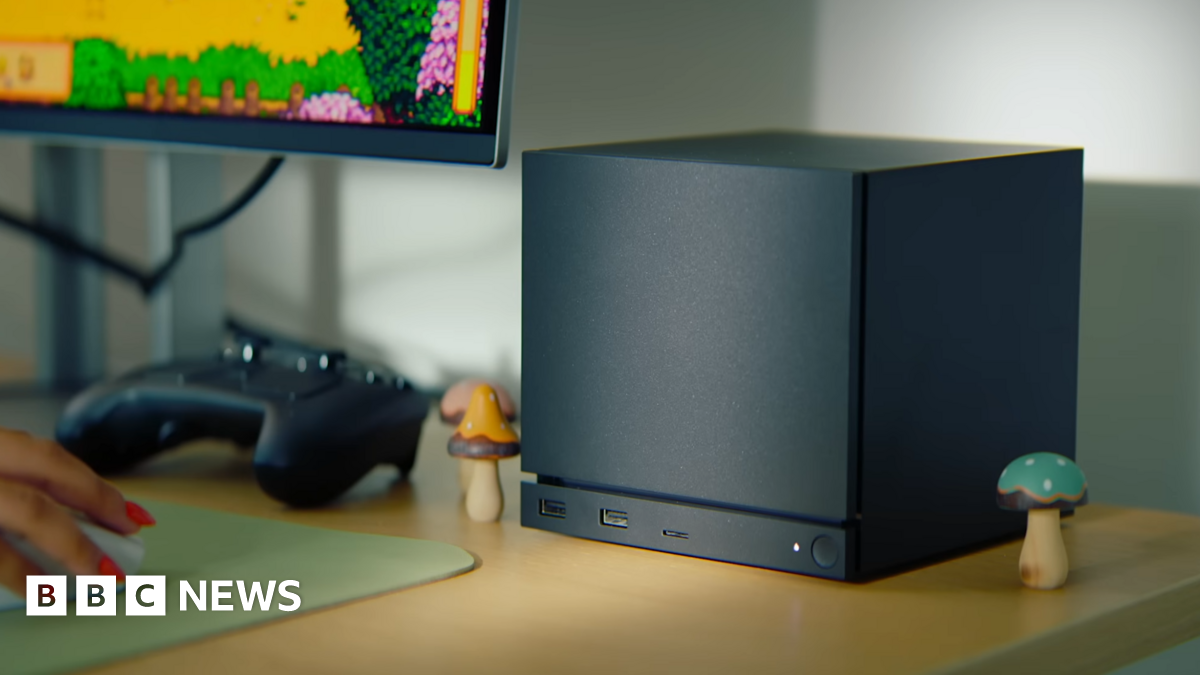
“My feeling is the Steam Machine will be similar – this will mostly appeal to a lucrative enthusiast audience of existing Steam players who want to play their games in a living room setting.”
Since Valve launched Steam in 2003, it has grown to become the world’s largest distribution platform for PC gaming.
Around 25 million Steam players were online and six million were playing games at the time of writing, according to the platform’s own metrics.