

Listen to this article
Estimated 4 minutes
The audio version of this article is generated by text-to-speech, a technology based on artificial intelligence.
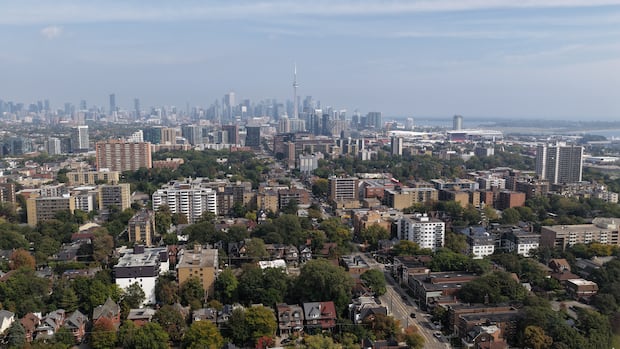
New small shops and cafés will once again be allowed to open inside some of Toronto’s neighbourhoods, reversing decades of strict planning policy that kept businesses out of residential areas.
Council voted Thursday to allow some detached properties on certain residential streets, like a house or multiplex, to become a retail store in certain wards whose councillors want it. Small-scale retail businesses in neighbourhoods were an important part of the city’s history, according to a city staff report, but were strictly limited by mid-20th century planning policy
The wards now seeing a partial reversal to those limitations include: Davenport, Parkdale-High Park, Spadina-Fort York, Toronto-Danforth, Toronto-Centre, Toronto-St. Paul’s, University-Rosedale and Beaches-East York. The proposal faced pushback from councillors representing the city’s suburban wards not included in that list.
“This a great win for Torontonians,” Coun. Gord Perks, who represents Parkdale-High Park, told reporters Thursday.
WATCH | How Toronto will densify in the coming years:
Why neighbourhoods around major Toronto transit stations will soon change
Toronto is moving ahead with new zoning rules around major transit stations — changes that could reshape neighbourhoods around subway, LRT and GO stops. CBC’s Lane Harrison breaks down what you need to know.
“They’ll have access to services in their local neighbourhood, they won’t have to drive to get everything they need and they’ll get more vibrancy in their neighbourhood.”
Shops must meet certain criteria
The businesses will be able to open on lots in residential areas that meet one of the following criteria:
A corner lot on a community street, examples of which include Sorauren Avenue, Brock Avenue, Shaw Street or Palmerston Boulevard.A lot abutting a park or school that fronts onto the same street.A lot abutting a lot that fronts on the same street which has been zoned commercially.
Along with retail products, the shops can sell food that’s been cooked and prepared off-site, as city planning staff don’t want large commercial kitchens within neighbourhoods. Preparing beverages, like espresso-based drinks, would be allowed though, paving the way for cafés to open on the lots.
The change to Toronto’s planning policy is significant and will do several things, according to Jason Thorne, the city’s chief planner.
“It’s giving entrepreneurs a place where they can start up a business. It’s creating a place where local neighbours can walk to get a bag of milk,” he said.
Thorne added that as the city grows and its population gets denser, it doesn’t want neighbourhoods that residents have to leave to run errands.
City also allowing variety of businesses on major streets
Councillors also voted to allow a wider variety of businesses to open on major streets nearly city-wide, with some exclusions selected by councillors who want to keep residential areas residential. Major streets are roads that may already have transit and high traffic, but include swaths zoned for residential buildings, largely single-family homes.
Examples include Ossington Avenue north of Dundas Street or Bathurst Street south of St. Clair Avenue West. On portions of major streets where the zoning changes apply, businesses like a full-service restaurant could open.
There is a long list of major streets with residential areas where businesses won’t be able to open up, but every ward will have major streets where they are permitted.
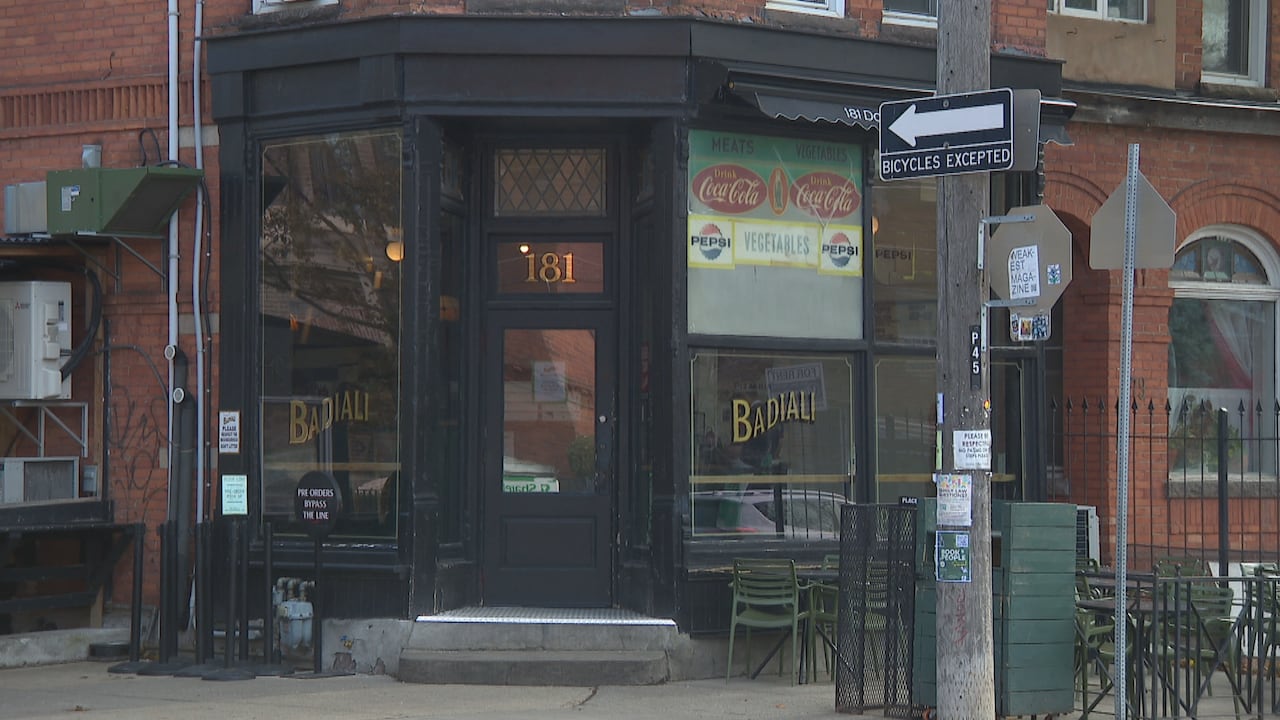 Dovercourt Road’s popular Pizzeria Badiali is an example of the type of business that will now be allowed in the residentially zoned areas of major streets. (Mark Boschler/CBC)
The only councillor to vote against expanding permissions for businesses both inside neighbourhoods and on major streets was Etobicoke’s Stephen Holyday.
At council Thursday, Holyday shared the concerns of several homeowners associations, who pushed back against the plan through several hours of deputations at the planning and housing committee last month.
He called the suggestion of shops selling groceries in residential neighbourhoods “rubbish,” saying they need foot traffic and customers to survive.
Holyday believes entrepeneurs will parachute into communities looking for cheap commercial space and set up “in some cases obnoxious” businesses that don’t serve residents
Asked by reporters what types of businesses he was referring to, Holyday provided the example of a “perpetual garage sale next to you, selling junk.”