
Your support helps us to tell the story
From reproductive rights to climate change to Big Tech, The Independent is on the ground when the story is developing. Whether it’s investigating the financials of Elon Musk’s pro-Trump PAC or producing our latest documentary, ‘The A Word’, which shines a light on the American women fighting for reproductive rights, we know how important it is to parse out the facts from the messaging.
At such a critical moment in US history, we need reporters on the ground. Your donation allows us to keep sending journalists to speak to both sides of the story.
The Independent is trusted by Americans across the entire political spectrum. And unlike many other quality news outlets, we choose not to lock Americans out of our reporting and analysis with paywalls. We believe quality journalism should be available to everyone, paid for by those who can afford it.
Your support makes all the difference.Read more
Maro Itoje has explained the reasoning behind England’s pointed response to the haka before their famous victory at Allianz Stadium, Twickenham.
England beat the All Blacks for the first time since the iconic 2019 World Cup semi-final, and the first time on home soil since Manu Tuilagi’s masterclass in 2012, with perhaps the defining performance of the Steve Borthwick era to triumph 33-19.
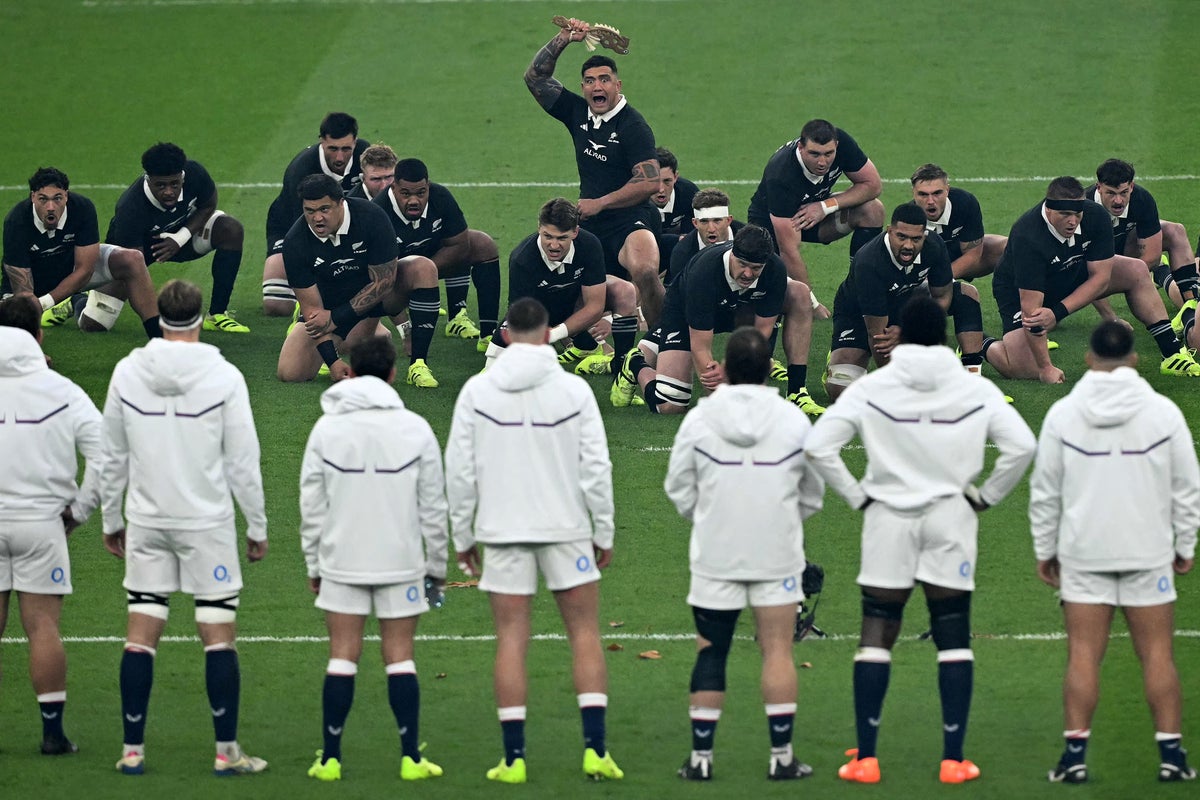
The mind-games began before the opening whistle, as New Zealand performed their traditional haka and England produced a defiant response.
The home players strode forward and formed a semi-circle, with former captain Jamie George and young firebrand Henry Pollock as the two men at the front points of the crescent.
open image in gallery
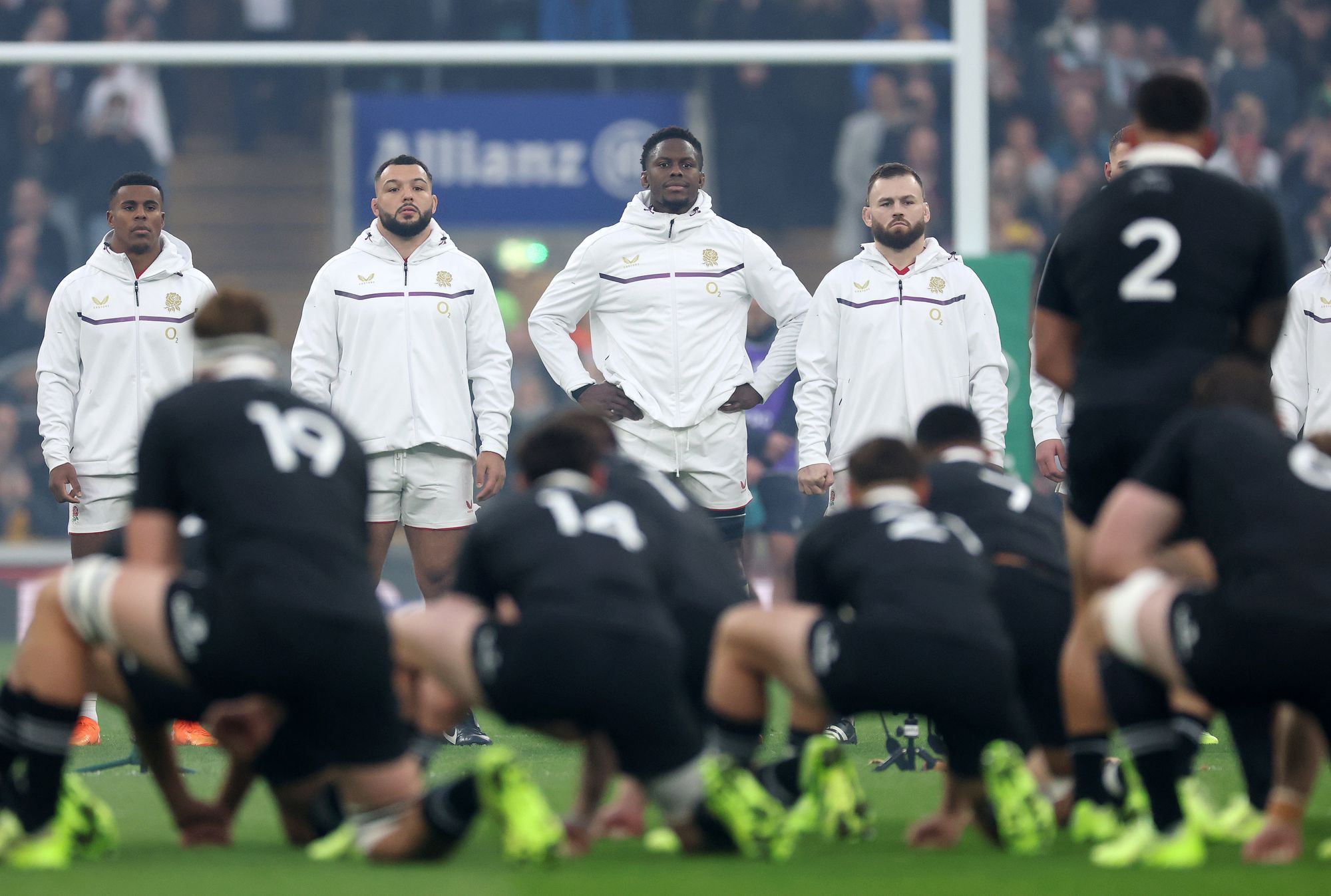
England held firm in the face of the haka (Getty Images)
Pollock in particular seemed to relish this role, licking his lips in anticipation and staring almost unblinkingly at the All Blacks as they went through their Maori war dance.
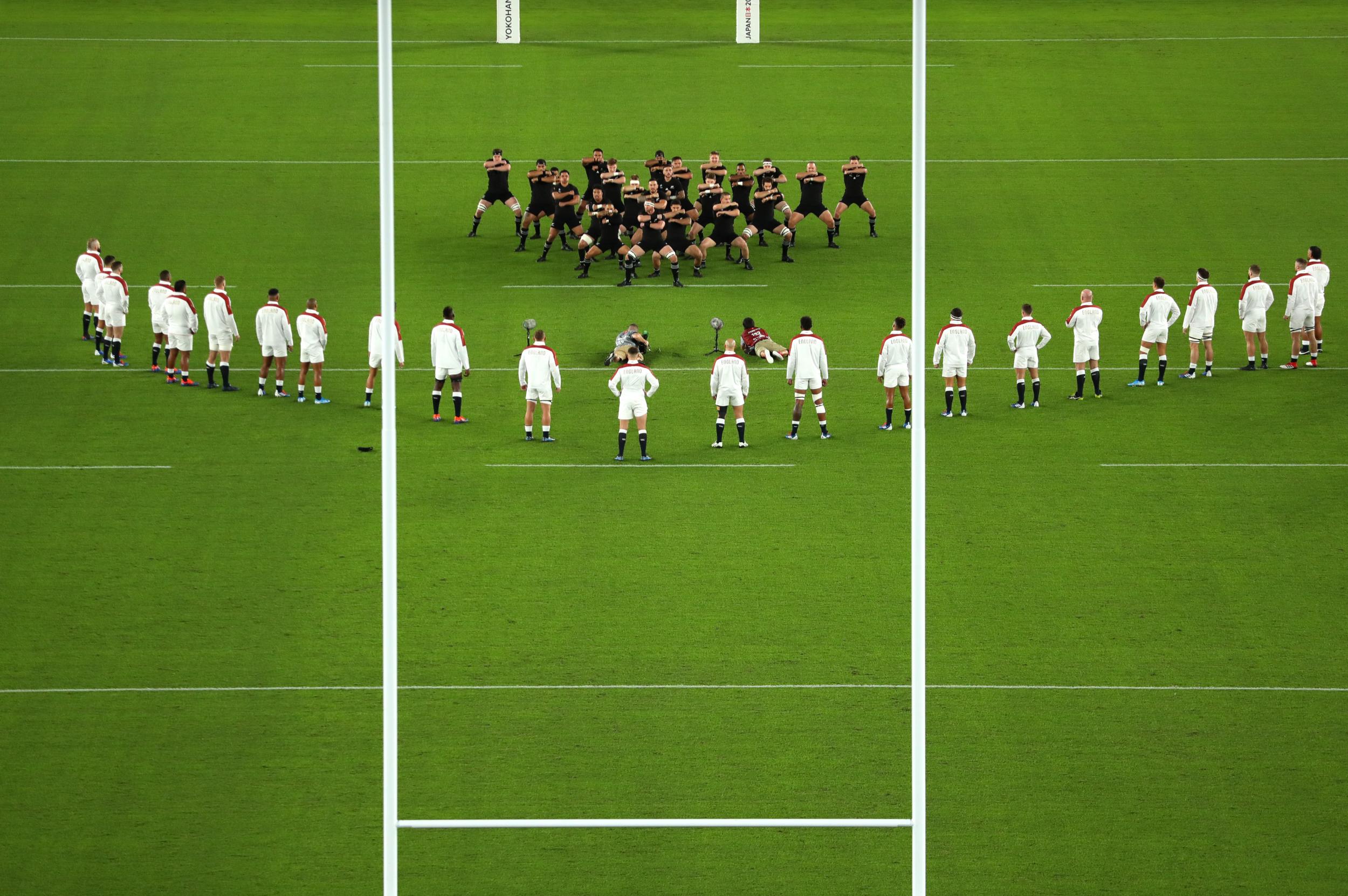
The response was reminiscent of that 2019 World Cup semi-final, where England formed a V shape to combat the haka, although they were fined when at least six players appeared to cross the halfway line, which is not allowed under World Rugby rules.
There were no rule breaches this time as Steve Borthwick’s troops got into their defiant formation and the Allianz Stadium crowd responded by singing Swing Low, Sweet Chariot throughout, as the atmosphere buzzed.
open image in gallery
Back in the 2019 World Cup final, England formed a ‘V’ shape in response to the haka (Getty Images)
And, in his post-match press conference, skipper Itoje explained how the response came about.
“As a group of leaders, we came up with what you guys saw and I guess it was just our response to to what they did,” Itoje said.
“We were trying to achieve the same thing they were trying to achieve. The haka is a war dance they do to get themselves up for the game and I know it has a huge spiritual meaning to New Zealanders.
“Our response was a response to the haka and to show ourselves, the team and Allianz Stadium that we were ready for the challenge.”
Initially, it didn’t appear that the haka response had the desired effect for England, as they quickly slipped 12-0 behind inside the first 20 minutes.
But from there, Borthwick’s side were superb, outclassing their opponents to score 25 straight points and eventually seal a comprehensive 33-19 win – just a third England victory over New Zealand in the last 22 encounters.