
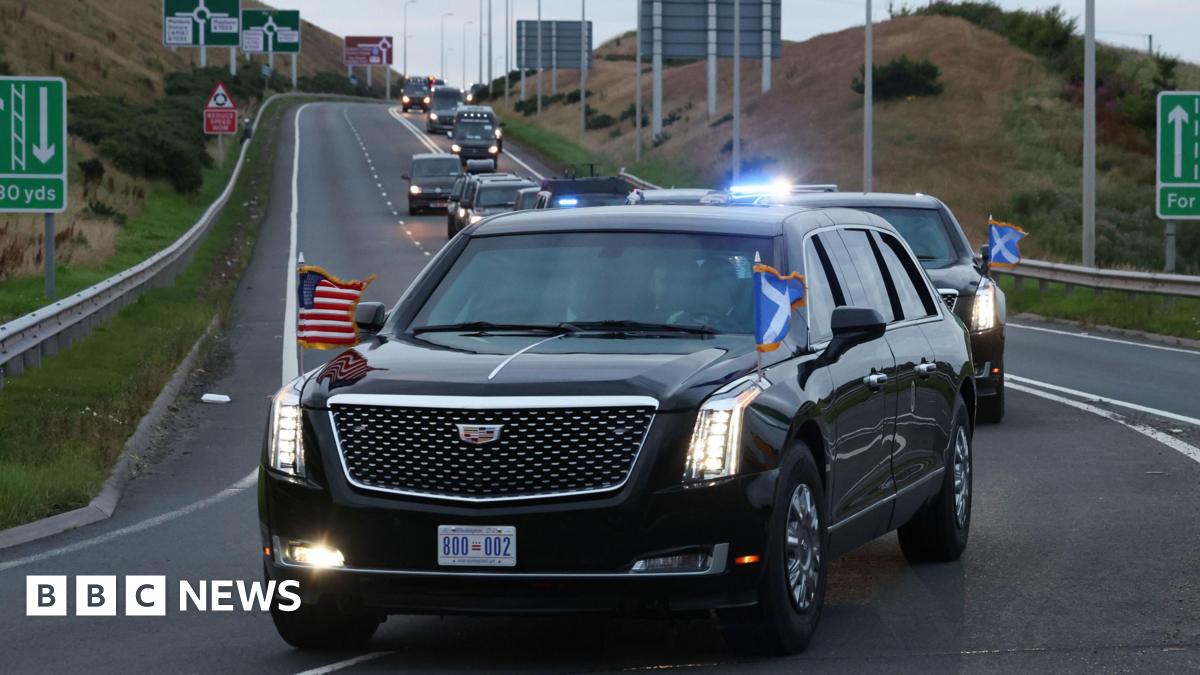
These are the sorts of engagements the leader of an independent state is afforded. Less so the leader of a devolved government with no direct responsibility for foreign affairs.
Regardless of the timing, it is worth taking a look at what Swinney is proposing.
Essentially, his idea is that if the SNP wins a majority of seats at Holyrood in the 2026 election, that should be enough to secure another referendum as it did in 2011.
My own view is that this kind of political outcome would certainly make UK supporting parties sit up and take notice.
But is a result of this kind likely?
At first glance the answer is no. The SNP is far less popular now than it was in 2021 and the party lost to Labour in last year’s UK general election.
The current trend in opinion polls suggests the SNP is the first placed party in Holyrood voting intentions with around a third of those expressing a preference leaning towards them.
Perhaps the party’s gamble is that the constituency vote in 2026 is so fragmented with the rise of Reform UK and potentially smaller parties like the Liberal Democrats and the Greens, that a third of the vote could be enough.