
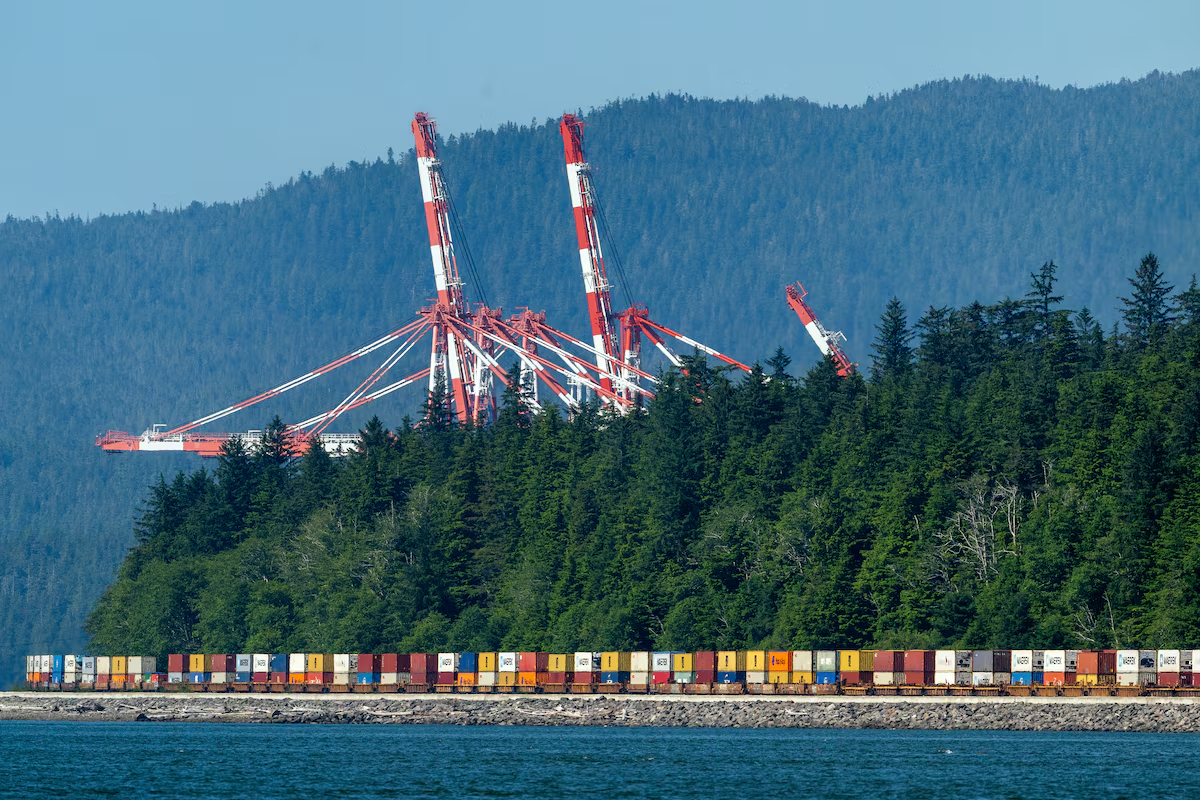
The port of Prince Rupert, B.C., could be the terminus for a new oil pipeline, if such an agreement is reached between the Alberta and federal governments. B.C. opposes lifting an oil tanker ban for the area.The Globe and Mail
Some Liberal MPs say that any deal between Alberta and Ottawa that includes a new pipeline and a limited exemption to a tanker ban must have buy-in from British Columbia, but they stopped short of voicing flat-out opposition to such a deal.
The Globe and Mail reported Wednesday that talks are progressing rapidly between the governments of Prime Minister Mark Carney and Alberta Premier Danielle Smith for a new energy accord.
It could include a proposal for an oil pipeline running from Alberta to the northwest coast of British Columbia and an exemption to the current ban on oil tankers on the B.C. coast so the product could be shipped to overseas markets, two federal sources told The Globe.
New northwest pipeline risks hazard of landslide tsunamis
The Globe is not naming the sources, who were not authorized to discuss the confidential negotiations.
Earlier this week, Ms. Smith had suggested that members of Mr. Carney’s own caucus were a stumbling block on getting the deal signed.
MPs – including some from British Columbia – didn’t outright oppose the proposals on their way into their weekly caucus meeting in Ottawa Wednesday.
Steven Guilbeault, the former federal environment minister who was often in Ms. Smith’s line of fire, told reporters that he wanted to wait and see what’s actually in the agreement.
In French, he said what’s under discussion is a possible agreement on a pipeline proposal to the West Coast, which the Prime Minister and other senior ministers have previously said would require full provincial co-operation.
“So, if it were to go to the West Coast, British Columbia would have to agree,” said Mr. Guilbeault, who is now Canadian Identity Minister.
Jonathan Wilkinson, B.C. MP and former minister of natural resources.Sean Kilpatrick/The Canadian Press
Jonathan Wilkinson, a B.C. MP and the former natural resources minister, echoed that position, saying that in addition to support from the B.C. government, there would need to be buy-in from coastal First Nations.
Neither are onside with the idea as it stands, he said.
“I think there’s a bunch of things that have to get worked through if, in fact, the government is looking to at least partially lift the ban.”
Justin Trudeau’s Liberal government passed the Oil Tanker Moratorium Act in 2019, formalizing restrictions on oil-tanker traffic in northern B.C.
B.C. asks Ottawa to retain north coast tanker ban, blocking Alberta’s pipeline ambitions
His 2015 campaign pledge to legislate the ban was cited as one of the reasons for the collapse of the Northern Gateway pipeline project.
The act is one of the “nine bad laws” often cited by Ms. Smith as barriers to increased resource development and that she’s demanded Mr. Carney repeal.
In June, however, she suggested to reporters that she could support a limited lifting of the ban just for the port of Prince Rupert, B.C., which could be the terminus for a new pipeline.
B.C. Premier David Eby opposes a new pipeline and the end of the tanker ban. He said over the weekend that any such moves could jeopardize the support of First Nations for existing natural-resources projects.