
Your support helps us to tell the story
From reproductive rights to climate change to Big Tech, The Independent is on the ground when the story is developing. Whether it’s investigating the financials of Elon Musk’s pro-Trump PAC or producing our latest documentary, ‘The A Word’, which shines a light on the American women fighting for reproductive rights, we know how important it is to parse out the facts from the messaging.
At such a critical moment in US history, we need reporters on the ground. Your donation allows us to keep sending journalists to speak to both sides of the story.
The Independent is trusted by Americans across the entire political spectrum. And unlike many other quality news outlets, we choose not to lock Americans out of our reporting and analysis with paywalls. We believe quality journalism should be available to everyone, paid for by those who can afford it.
Your support makes all the difference.Read more
A significant number of women are putting on too much or too little weight during pregnancy, a new study suggests.
As a result there is a higher risk of complications for both the mother and the baby, experts said.
The researchers, led by academics from Monash University in Australia, examined the amount of weight women put on in pregnancy, also known as gestational weight gain (GWG) using data from international studies on more than 1.6 million women.
They found that before pregnancy only half of the women studied (53 per cent) had a body mass index score within the “normal” range, some 19 per cent were overweight, 22 per cent were obese and 6 per cent were classed as underweight.
But during pregnancy, only a third (32 per cent) had GWG within recommended ranges, with 23 per cent gaining less and 45 per cent gaining more than recommended, according to the study which has been published in The BMJ.
open image in gallery
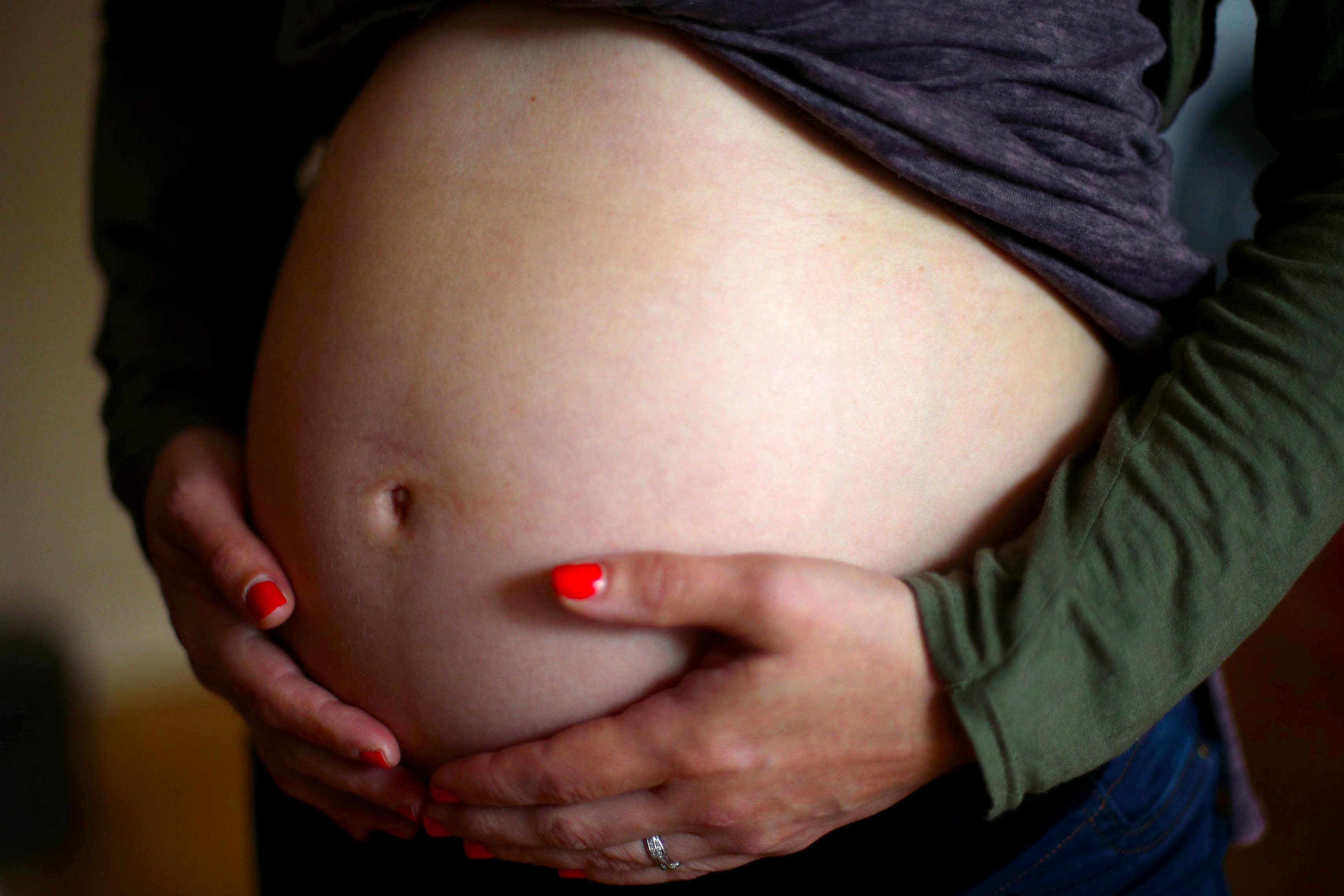
The study examined complications for both mother and baby with weight loss or gain (PA Archive)
Researchers also analysed the risk mothers and babies faced when they put on too much or too little weight.
When mothers put on more weight than recommended during pregnancy babies were at higher risk of being born with a large birth weight; there was an elevated risk of caesarean delivery and mothers had an elevated risk of high blood pressure in pregnancy.
They also found that babies were at a higher risk of being admitted to intensive care when they were born – the first study to highlight this risk factor.
If mothers did not put on enough weight during pregnancy, their babies were at a higher risk of being born early; having a low birth weight; or being small for their age.
Researchers also found that babies whose mothers did not put on enough weight were at a higher risk of breathing difficulties, also known as respiratory distress.
“This is the first meta-analysis to identify additional clinical outcomes including neonatal effects such as the increased risk of respiratory distress syndrome associated with GWG below recommendations,” the authors wrote.
“We also showed an increased risk of NICU admissions with GWG above recommendations.”
The researchers said that drivers behind weight gain among women before and during pregnancy can include “eco-social vulnerabilities such as ultra-processed food, lived environment, and socioeconomic status”.
“Together, these findings definitively reinforce the need for recognition of the risks of GWG outside Institute of Medicine recommendations,” they said.