
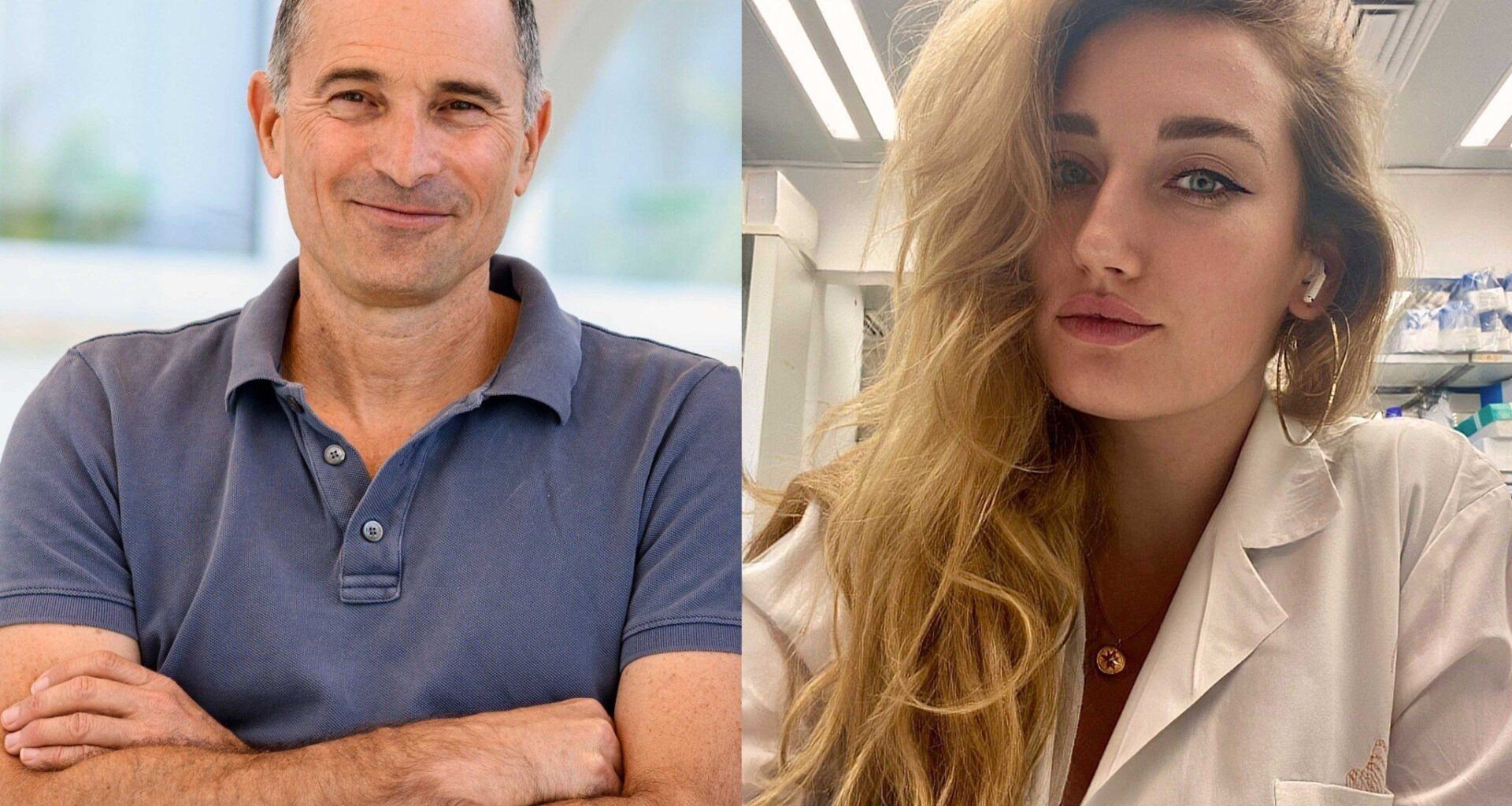
A study from the Weizmann Institute of Science’s Immunotherapy Research Center released this week highlights the discovery of a new class of immune-activating molecules that could help the body’s immune system fight cancer.
Published on Wednesday in the prestigious journal Cell, the report by Weizmann director Prof. Ido Amit comes just five months after an Iranian ballistic missile hit the institute’s Wolfson building, which housed Amit’s lab.
“We lost 70% of our materials,” Amit told The Times of Israel. “Almost nothing was left. And despite that, we improvised and used innovation to continue our research with even more conviction.”
The study focuses on macrophages — from the Greek words for “big eaters” — special white blood cells that are normally able to digest bacteria, viruses, and cancer cells.
However, inside tumors, macrophages don’t eat cancer cells, but rather help them grow. The lab designed biological molecules to block these dangerous macrophages and, at the same time, prompt other immune cells to attack the cancer.
Get The Times of Israel’s Daily Edition
by email and never miss our top stories
By signing up, you agree to the terms
The research was led by PhD student Michelle von Locquenghien, Dr. Pascale Zwicky, and Dr. Ken Xie of Amit’s lab, in collaboration with researchers from Weizmann’s Systems Immunology Department and scientists from Immunai, a New York-based company.
The important discovery could have broad applications for immunotherapy for cancers such as pancreatic and lung cancer, which are currently less responsive to immunotherapies.
“We think this research will provide a lot of opportunities, even for patients who have resistance to different types of immunotherapy,” Amit said. “This could have huge potential.”
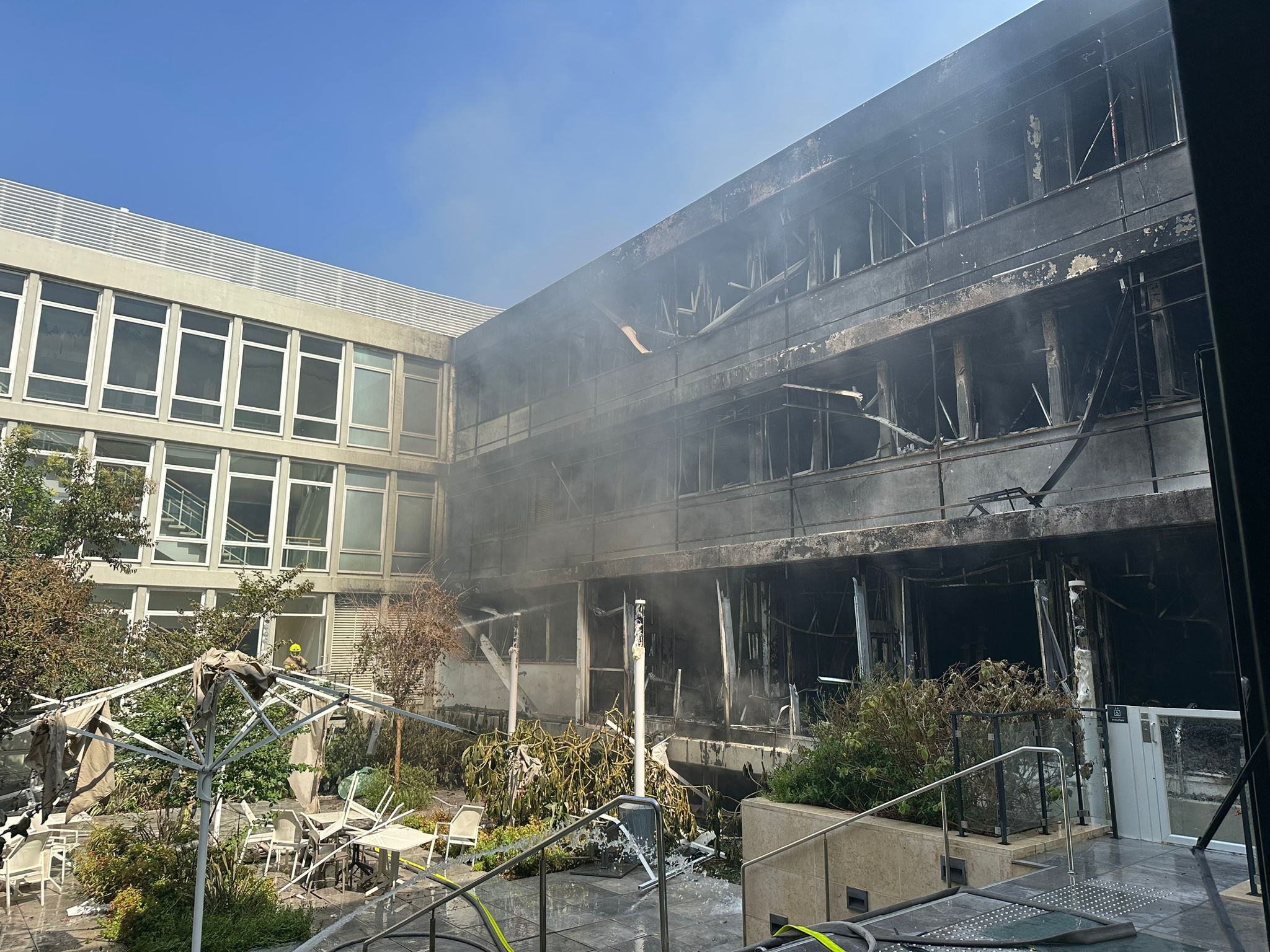
The Wolfson Building, which housed Prof. Ido Amit’s Immunotherapy Research Center at the Weizmann Institute of Science, suffered a direct hit from an Iranian ballistic missile on June 15, 2025. (Courtesy/Prof. Ido Amit)
New biological molecules with special antibodies
Amit’s earlier studies showed that some macrophages inside tumors were not doing their usual job of helping the body. Instead, they were actually helping the cancer.
These macrophages had high levels of a receptor called TREM2. Patients whose tumors were infiltrated by a large number of TREM2 macrophages usually did not respond well to immunotherapy treatment and had lower survival rates.
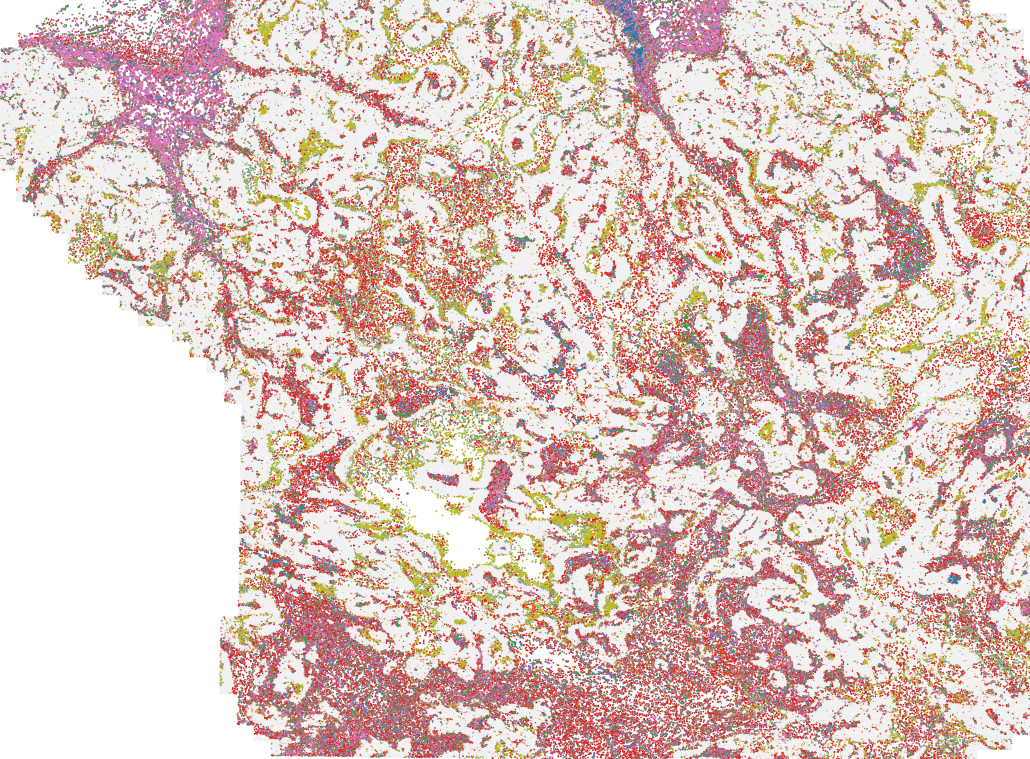
The mapping of spatial immune architecture in human breast cancer tissue (tumor cells are in gray) reveals the proximity of macrophages (brown-orange) and exhausted killer cells (light pink-purple). (Courtesy/Weizmann Institute of Science)
The team designed new biological molecules with special antibodies. These blocked the activity of the harmful TREM2 macrophages.
Moreover, these molecules contained cytokine, a powerful protein that “woke up” the immune system and instructed the body’s natural killer cells to start fighting the disease. The scientists dubbed these new molecules MiTEs, short for Myeloid-targeted immunocytokines and natural killer/T-cell Enhancers.
These MiTEs were able to locate the problematic cells and activate the immune system inside the tumor.
The researchers used advanced genomic, AI, big data, and synthetic immunology technologies. They also incorporated spatial transcriptomics, a technique that enabled the scientists to examine where genes were located inside each tissue and to see which genes were active.
“We found that the TREM2-carrying macrophages were often positioned in direct proximity to immune killer cells that appeared exhausted,” von Locquenghien said.
That “spatial insight” led the researchers to design biological molecules that could energize the killer cells to “attack the tumor while minimizing collateral damage,” she said.
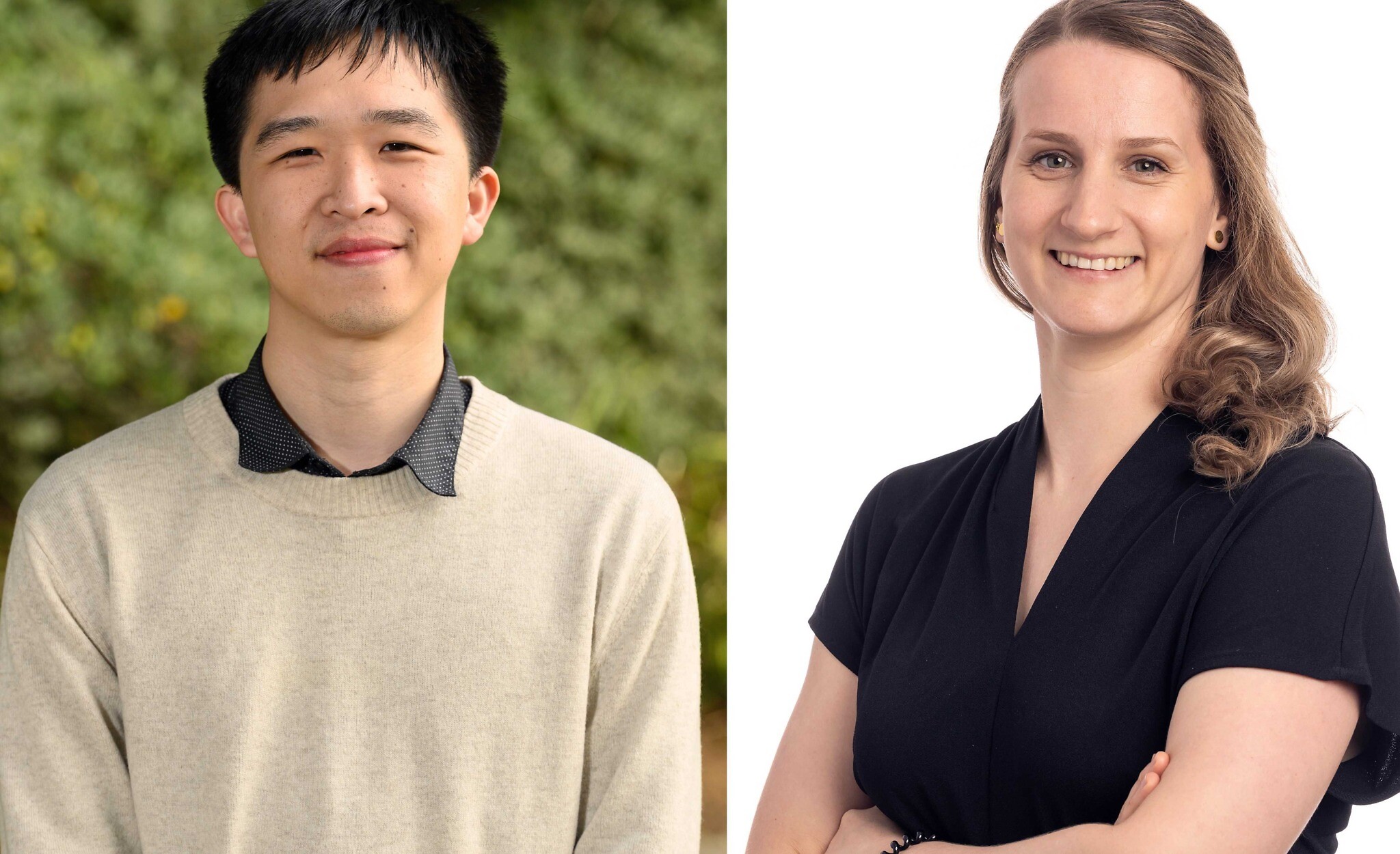
Dr. Ken Xie, left, and Dr. Pascale Zwicky, researchers at Prof. Ido Amit’s Immunotherapy Research Center at Weizmann Institute of Science. (Courtesy)
A technique to map genes inside tissues
The researchers said that the MiTEs caused aggressive tumors to dramatically shrink in mouse models.
“Many times, the tumors disappeared completely,” Amit said.
Testing the MiTEs on tissue samples of renal cell carcinoma derived from patients, the scientists found similar results, including immune activation and the awakening of killer immune cells.
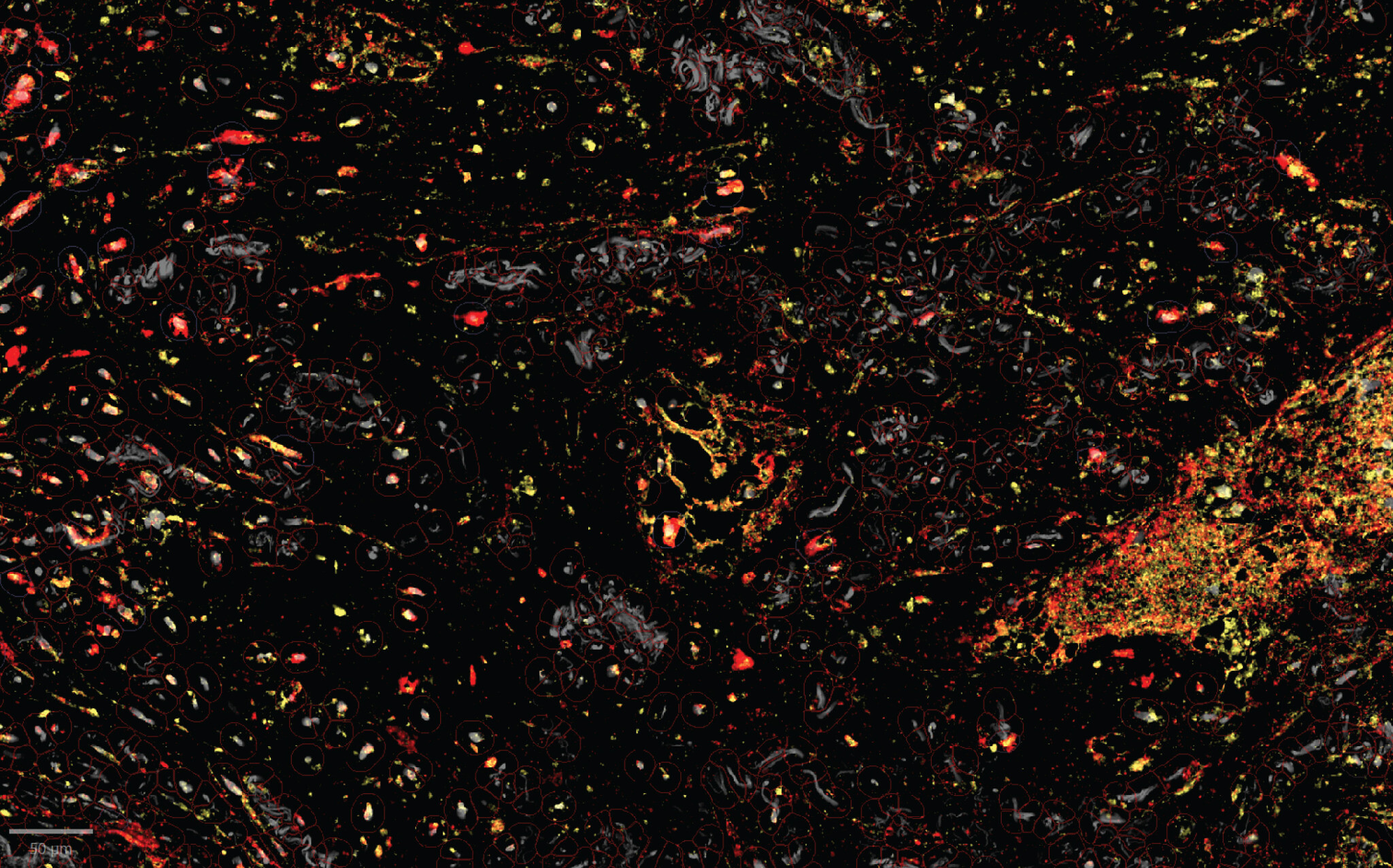
Human lung cancer tissue under a microscope. The enzymes (yellow) that unmask the immune-activating molecules are found near the TREM2 receptors (red) of the tumor-assisting macrophages. This targeted unmasking can prevent damage to healthy tissues. (Courtesy/Weizmann Institute of Science)
“This is a unique invention and there’s nothing like it anywhere,” said Amit.
The scientists plan to take MiTEs another step toward clinical application after assessing their long-term safety. They said they will also explore combinations of MiTEs with existing therapies, including chemotherapy and radiation therapy.
The approach is “beautiful and innovative,” said Dr. Florent Ginhoux, laboratory director at Gustav Roussy Hospital in France, whose research also focuses on macrophages, immunotherapy, and cancer.
Ginhoux, who is not connected with the study, said in a written reply to The Times of Israel that Amit’s approach overcomes “the immunosuppressive environment created by the tumor cells and maintained by these TREM2 macrophages.”
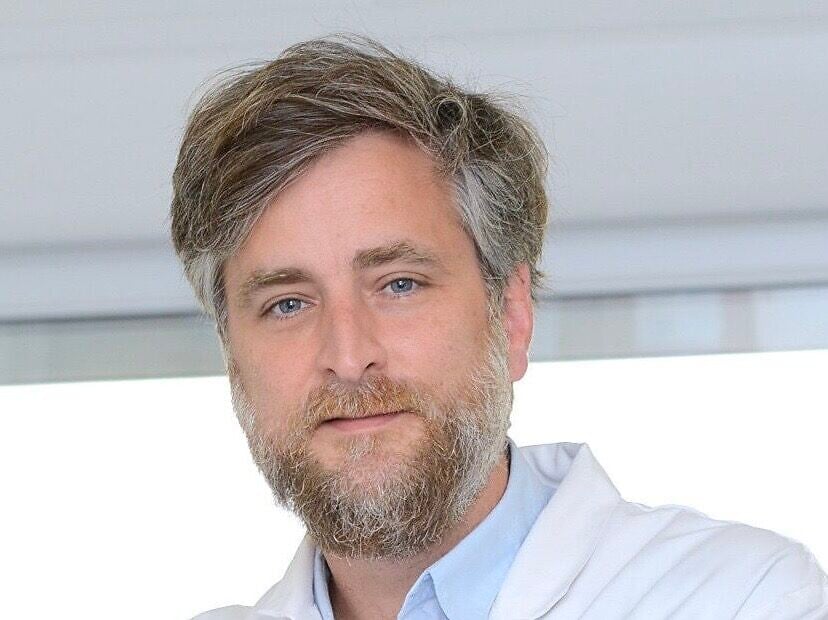
Dr. Florent Ginhoux, Laboratory Director at Gustave Roussy Hospital, France. (Courtesy)
Rebuilding ‘everything that’s broken’
The Iranian missile attack on Weizmann came during the 12-day Israel-Iran war in June.
Immediately after the attack, Amit said the team’s first goal was to find out “what we can actually salvage.”
“We had samples that were collected over many, many years that were basically all gone,” he said.
“Then we started to say, ‘We’re going to rebuild everything that’s broken, and make it even better. And that’s what we’ve been doing ever since, progressing with all of the research.”
In the first month after the attack, the researchers worked from the physics department and traveled in golf carts to do experiments in different parts of the institute.
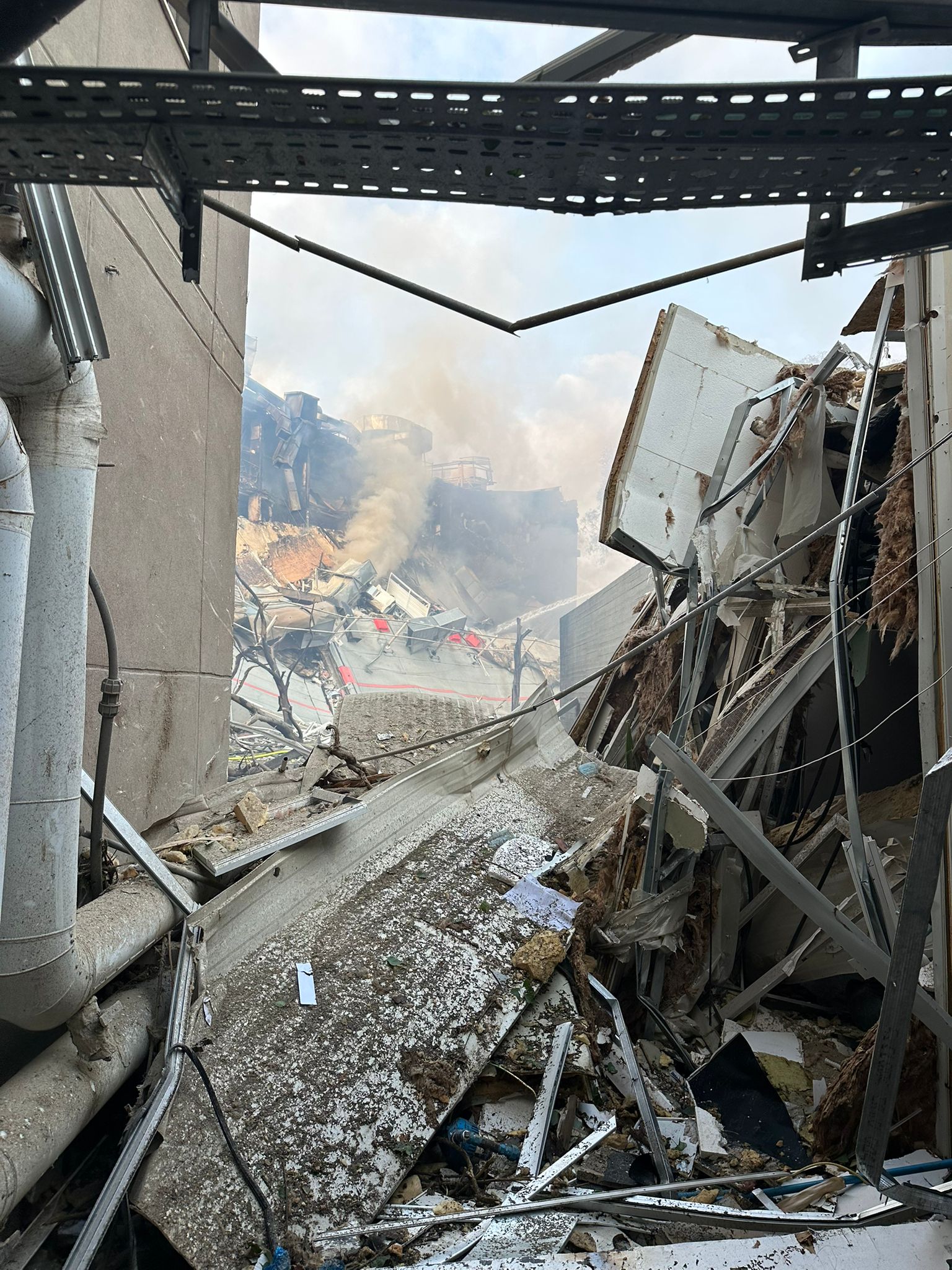
Prof. Ido Amit’s Immunotherapy Research Center at Weizmann Institute of Science after the devastating Iranian ballistic missile attack on June 15, 2025. (Courtesy/Prof. Ido Amit)
“We didn’t have a permanent physical lab,” he said. “Now we’ve moved out of the institute into the science park that has a beautiful lab. We’re even more productive than we were before.”
Amit said his foreign-born research team stayed in Israel during the two-year war with Hamas, which began on October 7, 2023, when thousands of Hamas-led terrorists invaded southern Israel, killing some 1,200 people, mostly civilians, and abducting 251 people into the Gaza Strip.
“Even though Xie is from New Zealand, Zwicky is from Switzerland, and Locquenghien is from Germany, they stayed to do their research,” Amit said. “They remained fully committed to drive the science upward and forward.”
The Iranian attack “tested our passion to do science,” he said. “We learned to go around the wall, step over the wall, and go through the wall. We found resilience and didn’t let anything stop us.”
“What we’re doing is critical for humanity,” he added. “All these conflicts will be resolved at some point in time. But this is really doing something that helps mankind, everywhere, without borders.”