
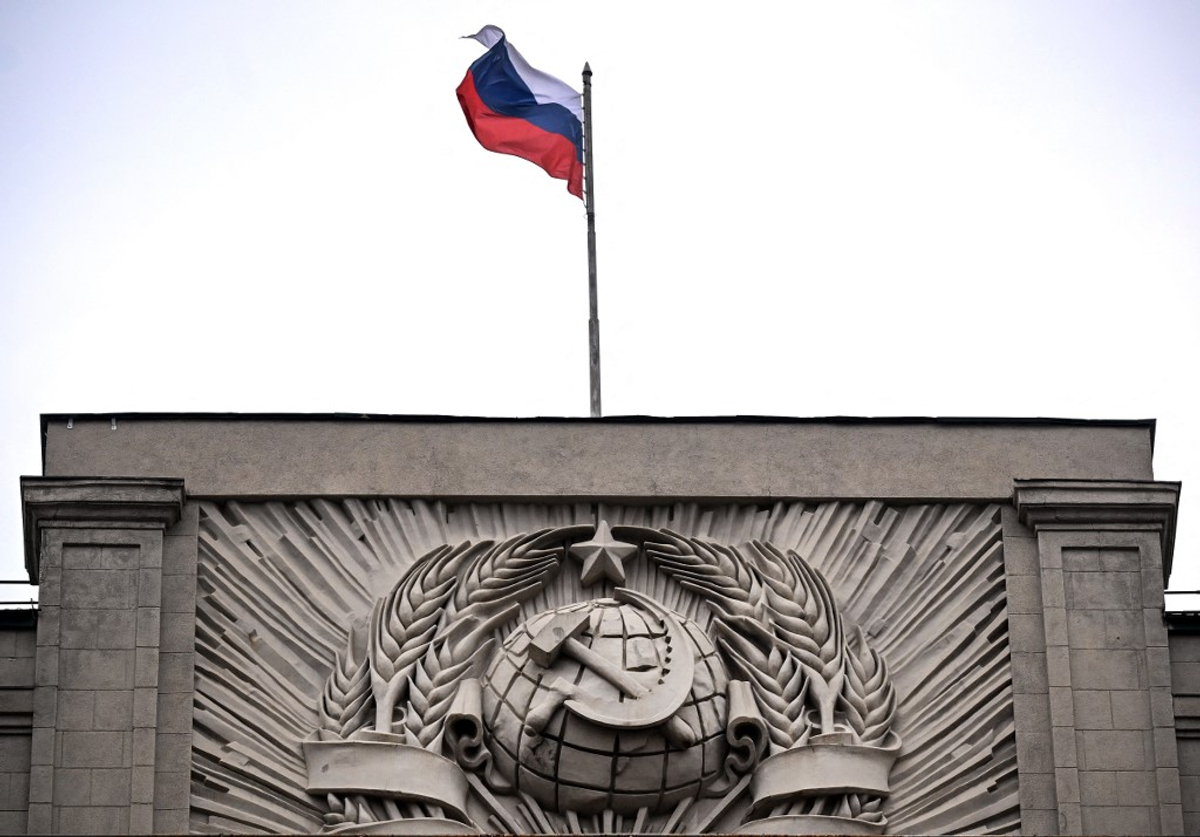
Russia’s State Duma, the lower house of the Russian parliament, called on the government to develop measures in case the EU decides to seize frozen Russian assets.
The EU is exploring new ways to finance Ukraine after the fourth year of Russia’s full-scale invasion. One option under consideration is the confiscation of Russian frozen assets, which could be sent to Ukraine as so-called “reparation loans.”
JOIN US ON TELEGRAM
Follow our coverage of the war on the @Kyivpost_official.
Under this plan, Ukraine would only have to repay the loan if Russia compensates for the damage it caused. Brussels-based clearing house Euroclear, where most of the assets are held, would receive a debt contract to ensure that any future claims by Russia are covered by the EU and, potentially, by member states.
However, Belgium, where Euroclear is based, continues to block this approach, demanding stronger guarantees.
Russia’s State Duma said any confiscation of Russian assets, regardless of the pretext, violates Russia’s sovereign rights, Interfax Russia reported.
“The confiscation of Russian assets – no matter how elaborate the disguise – cannot be perceived as anything other than a violation of Russia’s sovereign rights,” the Dumaʼs appeal says.
The document also says that any attempts to target Russian assets would trigger a legal response. This could include filing damage claims and seeking property seizures as a precaution, targeting Euroclear and Belgium in any relevant jurisdiction, Interfax wrote.
Other Topics of Interest
Ukraine War: Is There a New Peace Plan?
As with Trump’s Gaza peace plan, Turkey and Qatar are said to have been involved in the drafting, with no representatives of Ukraine or the EU.
The appeal came after a statement from European Commission President Ursula von der Leyen proposing the potential confiscation of Russian sovereign assets. The Duma’s chairman approved the draft appeal on Nov. 18, following a recommendation from the budget committee.
Following earlier opposition from Belgium, the EU is considering three options to support Ukraine’s 2026-2027 finances, as a proposed €140 billion ($162 billion) “reparation loan” backed by frozen Russian assets remains blocked.
The first option would see EU member states provide at least €90 billion ($104.3 billion) in grants over the next two years.
The second option involves issuing a loan backed by joint debt, requiring legally binding guarantees from all member states.
The third option would use nearly €200 billion ($231.8 billion) in frozen Russian assets held by Euroclear to provide Kyiv with a loan.