
Rachel Reeves insists the government will make another attempt to reform welfare as she prepares to spend £3 billion in her budget to end the two-child benefit cap.
Writing in The Sunday Times before Wednesday’s statement, the chancellor says fiscal restraint is a Labour value and necessary to curb inflation, a “fundamental precursor to economic growth”.
Reeves says there is nothing “fair or progressive” about wasteful spending or paying “£1 in every £10 of taxpayer money” to service the government’s debts.
Her intervention will be seen as an attempt to reassure the bond markets as she prepares to abolish the two-child cap. Reeves is expected to argue that ending the cap, rather than tapering payments according to how many children a family has, will save poor children from a “lifelong cost of living crisis”, and the state money in the long term.
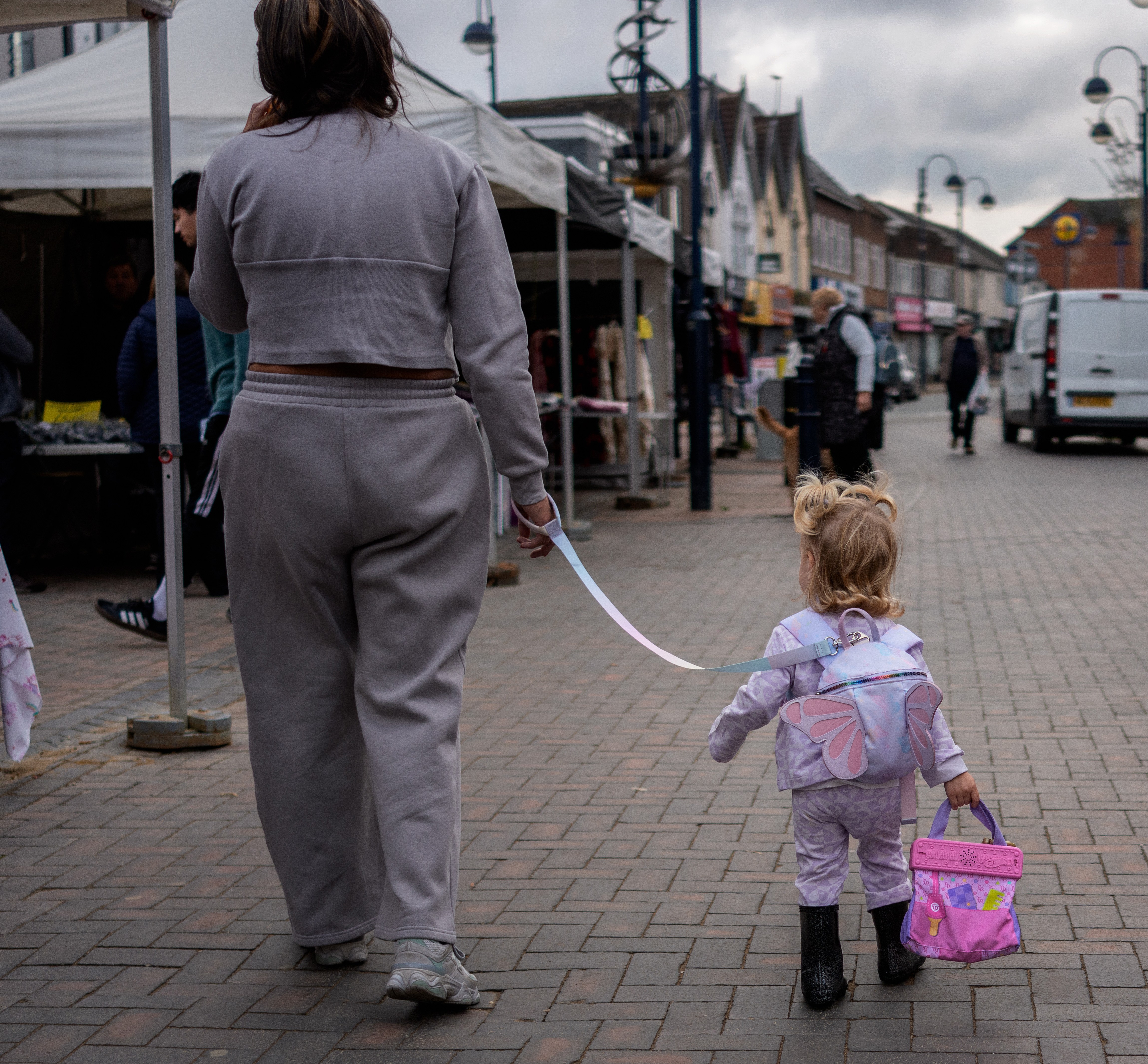
CHRISTOPHER FURLONG/GETTY
The £3 billion giveaway to poorer families will be widely seen as a trade-off for rebellious Labour MPs, who scuppered £5 billion of benefit cuts last summer, dropping their resistance when more reforms are tabled next year. The government’s full child poverty strategy will be published in the days after the budget.
Proposals for a welfare overhaul will be made in the Timms review, focused on personal independence payments for disabled people, and the Milburn review into the nearly one million young people classed as “Neets” (not in education, employment or training).
Reeves said these reforms would change the welfare system from one “designed to punish, trapping millions of people on benefits rather than helping them into work, into a system designed to help people succeed”.
Annual spending on health and disability benefits is expected to surge to £100 billion by 2030, almost double the present defence budget, with Reeves expected to accuse the Tories of presiding over a “broken system” and soaring costs. She is not expected to set out more reforms in the budget, raising questions about how serious Labour is about cutting the welfare bill.
• High debt levels are here to stay, whatever happens in the budget
The optics of more welfare spending as the chancellor announces tax rises is also likely to lead to accusations that she is appeasing her backbenchers at the expense of taxpayers.
Reeves plans to: raise tens of billions of pounds by freezing income tax thresholds for an extra two years to 2030; impose national insurance above a new cap on salary sacrifice schemes, affecting pension pots; revalue council tax on the top-band properties and impose a surcharge on the most expensive; and introduce a pay-per-mile scheme on electric cars.
However, a poll by the More In Common think tank suggests that 67 per cent of Britons would rather Reeves filled the fiscal black hole by cutting spending on public services than by raising taxes on working people.
The survey of 2,007 people between November 18-19 also found that 47 per cent of people say that extending the freeze would break Labour’s manifesto promise not to raise income tax.
Only months ago the Treasury said that a rebellion by Labour MPs over the summer, which forced the government to ditch £5 billion of cuts to health and disability benefits, had made it unaffordable to end the two-child benefit cap.
Reeves considered introducing a taper system, cutting the cost to the Treasury, that would have seen eligible families receive reduced payments for third and subsequent children. However, she has faced relentless pressure from backbench Labour MPs to end the cap, with Sir Keir Starmer and Bridget Phillipson, the education secretary, among those in government in favour of its abolition.
The chancellor has now agreed to ditch the cap, with sources saying government modelling shows full abolition is only £200 million more expensive than the “lead” taper option that was being considered. “The truth is if you taper it you don’t save that much money anyway,” one said.
Another source said the cost per child of ending the cap was actually cheaper than any of the other options modelled, as the long-term benefits would lead to significant savings.
The Institute for Fiscal Studies has said abolishing the cap could take 630,000 children out of absolute poverty, defined as households with an income 60 per cent below the median average.
Papers prepared for ministers before the publication of the child poverty strategy in the days after the budget suggest that the government will link the ending of the cap to improved educational outcomes for children, leading to greater earnings in adulthood, and ultimately meaning higher tax receipts.

CHRISTOPHER FURLONG/GETTY
The documents say that fewer than 25 per cent of children in the bottom income cohort achieve five good GSCEs at school, compared with 70 per cent in the top two wealthiest cohorts. The documents say poor educational attainment is one of the “key risk factors” for people becoming Neets with children born into the poorest third of families earning “around 50 per cent less” than those hailing from the richest third by the time they turn 40.
The papers conclude that “people in the UK are five times more likely to be poor as adults if they have lower educational levels”.
A government source said: “Growing up in poverty condemns children to a lifelong cost of living crisis as the evidence shows they do less well in school and end up earning less over their lifetimes.”
Abolishing the two-child benefit cap would also allow ministers to say that they have ended the so-called “rape clause”, an exemption in the cap for third and subsequent children conceived without consent.
• Will scrapping the two-child benefit cap save Keir Starmer from a revolt?
While the move will be hailed by restive Labour MPs, senior figures in the party fear Reeves will face a major public backlash unless she makes clear that the government will try again to cut the wider welfare bill. “She has to hint that something on cutting the bill is coming,” one said. “There are so many other audiences out there, it’s not just the [Parliamentary Labour Party]. They have to say to the PLP ‘we will give you this, but you have to back us on other things’.”
The More In Common polling suggests that the narrative around the budget has also resulted in overwhelmingly negative perceptions among voters.
Luke Tryl, the executive director of More in Common, said of the findings: “Britons aren’t blind to the challenges facing the chancellor. On the contrary, the public overwhelmingly feels that the economy and public finances are deeply broken. But the events of the past year have shattered their confidence that this is the right government to fix them.
“If there is an upside, it’s that the chancellor may have avoided a public opinion catastrophe by seemingly rowing back from an income tax rise. Breaking Labour’s flagship manifesto pledge would have represented a serious breach of trust; worse — voters told us — than partygate, the PPE scandal or changes to the winter fuel allowance.”