
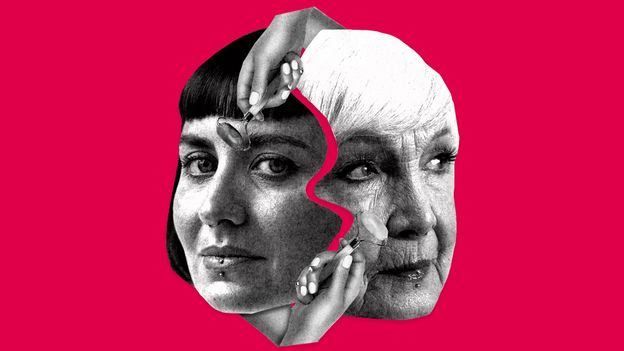
Much like our other organs, our skin begins to age from the moment we are born. In a world obsessed with youthfulness, here’s how you can look after your skin while embracing an ageing face.
On Mount Olympus, sometime around 800-900 BC, the gods and goddesses of Ancient Greece were served sweet nectar and ambrosia by Hebe, the goddess of immortal youth. A beautiful young woman, Hebe was symbolic of being in the “prime of life”. Her counterpart, Geras, the god or spirit of old age (hence the English words “geriatric” and “gerontology”), was depicted as a haggard, wrinkled man, often leaning on a walking stick. Instead of beauty, he represented biological decline, and the fear of death. Together, Hebe and Geras are just one of the many representations of ageing in our culture and history that serve the reminder: no one can escape the passing of time.
Humanity’s obsession with youthfulness has only intensified since Ancient Greece. Our skin, a living ecosystem, is at the centre of this – not only is it the largest organ in the body, but it’s also visible – or as one group of researchers in France put it, “social“. In fact, in their study of 1,300 people across 54 countries and five sociological age groups (Gen Z, millennials, baby boomers, Gen X and the silent generation), 85% of participants felt that their skin reflected their personality, suggesting it is tied in with their sense of self.
Much like our other organs, skin ages from the moment we are born – so the fight to keep it looking soft like a baby’s is an expensive one. As of 2024, the global anti-ageing products market size was valued at approximately $52bn (£40bn) in 2024 and is expected to reach $80bn (£63bn) by 2030. But why do we try to resist an ageing face and how can we embrace it?
How our skin changes as we age
Our skin is incredible, really. While only a few millimetres thick, it makes up one-seventh of our body weight – for the average adult, around 2.7kg to 3.6kg (6lbs to 8lbs).