
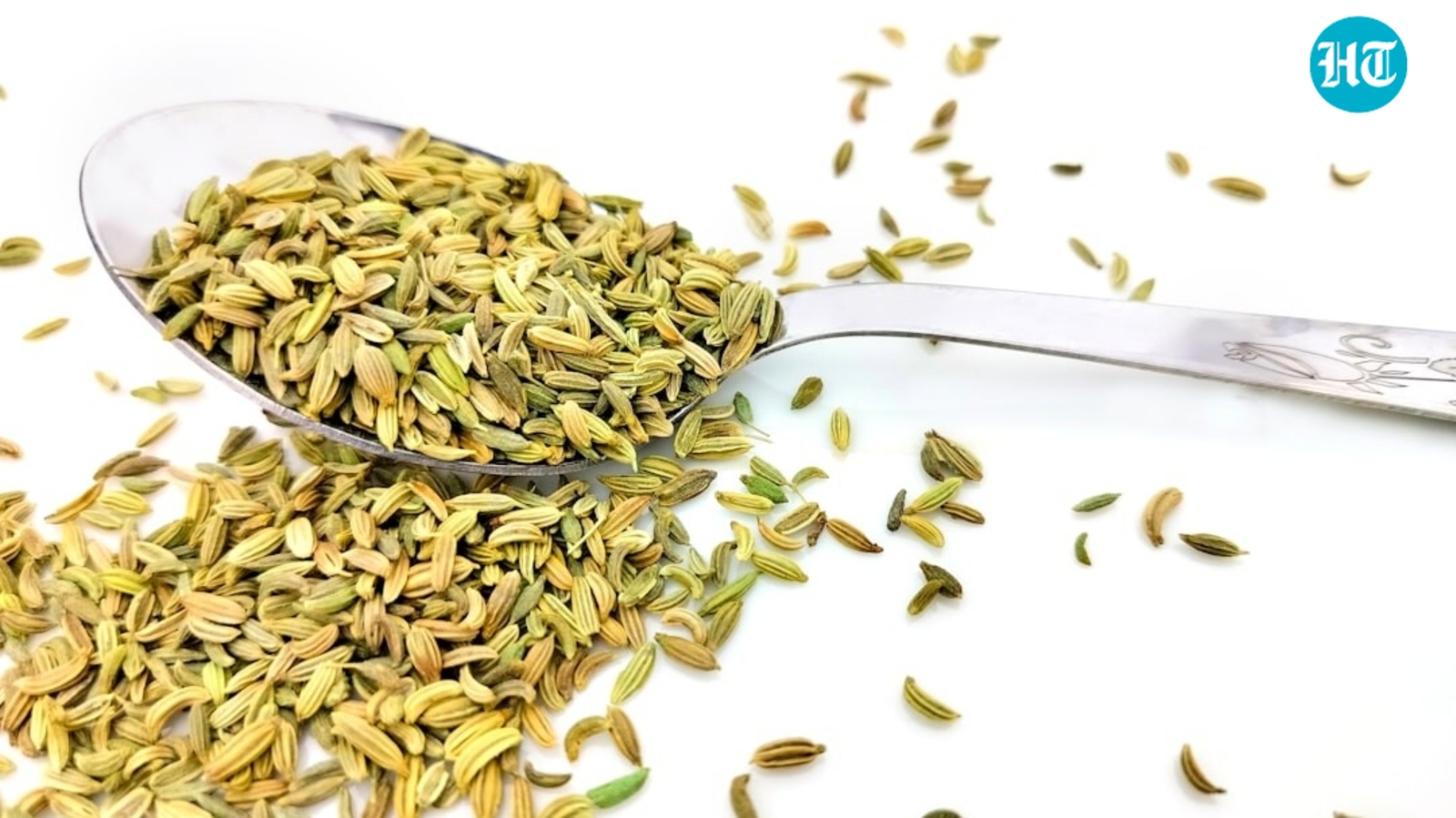
Fennel hails from a Mediterranean family and grows across the world. While the bulb is often cooked and eaten raw in many households, people are not quite aware of the nutritional value it holds. The fennel seeds are rich in protein, carbohydrates, and fibre, keeping the antioxidants intact and the cardiovascular health in check. According to Healthline, the parts of fennel which are consumed contain potassium, sodium, phosphorus, and calcium.
 Benefits of fennel seeds(Unsplash)
Additionally, the fennel seeds contain several vitamins and minerals and should be included in healthy diets.
Benefits of eating fennel seedsMaintaining good heart health
Fennel seeds include fibre, and fibre helps in managing cholesterol and blood sugar levels in individuals. The seeds also have antioxidants and anti-inflammatory properties that decrease the risk of cardiovascular diseases and heart strokes.
Anxiety
Fennel seeds are a great source of food when it comes to managing anxiety. According to a study conducted in 2022, the extracts from the fennel plants controlled anxiety symptoms such as nausea, vomiting, and light-headedness. While the experiments are currently in the initial stages, further study findings will be revealed soon.
Digestion
The anti-inflammatory properties in the fennel seeds also control the symptoms of inflammatory bowel disease. Over the years, fennel seeds in households have been consumed after meals for good digestion and a healthy gut. According to the study, the extracts of a fennel seed can treat gastrointestinal inflammation.
While the fennel seeds have multiple health benefits and nutritional values, they also have several disadvantages. The fennel seeds are said to have compounds of estragole, which is otherwise found in essential oils. Due to some of the properties in the compound, the seeds could be carcinogenic.
Hence, the doctors advise against the consumption of fennel seeds during pregnancy, as they may cause developmental issues. According to a research, an experiment was conducted on animals by feeding them the extracts and the bulb of fennel plants, and it led to complications in the development of the fetus.
Note to readers: This article is for informational purposes only and not a substitute for professional medical advice. Always seek the advice of your doctor with any questions about a medical condition.