
IDF Chief of Staff Lt. Gen. Eyal Zamir on Sunday evening announced that he was dismissing several senior officers and censuring others over their roles in the failures of October 7, 2023.
Zamir summoned the top officers for meetings earlier in the day, after vowing this month to make “personal decisions” regarding the commanders based on the findings of a probe conducted by an external panel of experts. Lower-ranking officers were summoned by Deputy IDF Chief of Staff Maj. Gen. Tamir Yadai.
Most of the commanders who were being dismissed had already resigned from the IDF, making Zamir’s moves largely symbolic. The censured officers will continue to serve in their roles until the end of their tenures, in some cases expected to last several more years.
In a video statement, Zamir said: “It is not easy to make decisions that impact people I value and who have dedicated their lives to the security of the state, people with whom I have fought for decades. Alongside this, before my eyes stands the obligation to draw a clear line for command responsibility. This is not a responsibility we choose to take upon ourselves, but one we bear by virtue of being commanders in the IDF,” he continued.
“If we do not sharpen the meaning of responsibility, trust in the system will erode, and that trust is the foundation of our ability to fight, to win, and to defend the State of Israel,” Zamir said.
Get The Times of Israel’s Daily Edition
by email and never miss our top stories
By signing up, you agree to the terms
Zamir said that the officers who were dismissed or censured “are among our finest commanders.”
“All of them have dedicated most of their lives to the IDF and the State of Israel. The vast majority of them have had a direct part in the operational successes the IDF has achieved over the past two years,” he said.
Among those sanctioned, former Military Intelligence Directorate chief Maj. Gen. (res.) Aharon Haliva — who announced his resignation in April 2024, before being replaced in August that year — will be dismissed from reserve duty and no longer serve in the IDF.
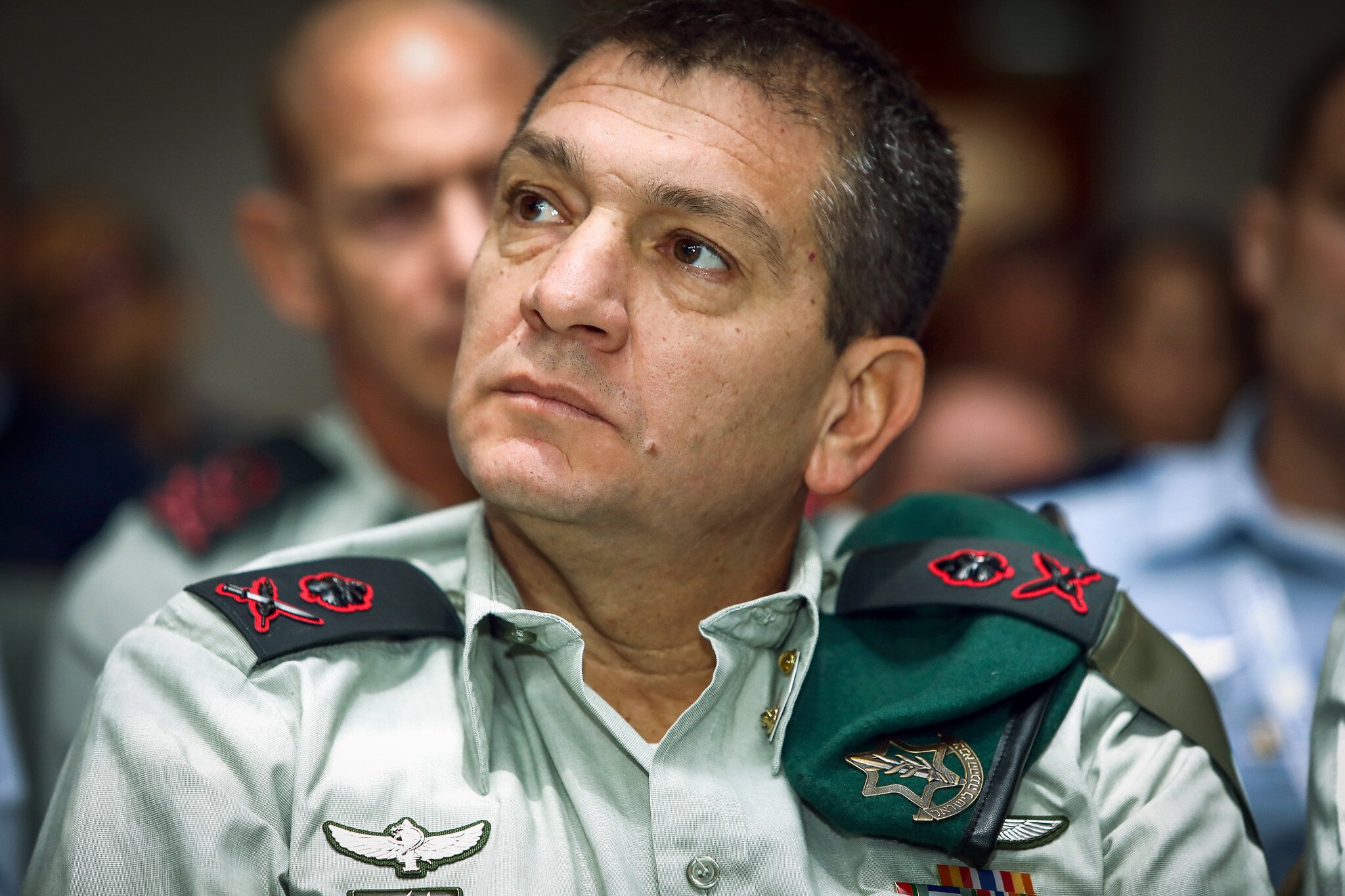
Then-commander of the IDF Military Intelligence Aharon Haliva at a conference of the Gazit Institute in Tel Aviv, November 4, 2022. (Gideon Markowicz/Flash90)
Former Operations Directorate chief Maj. Gen. Oded Basiuk — who resigned from the military after the end of his tenure in July — will also be dismissed from reserve duty and no longer serve in the IDF.
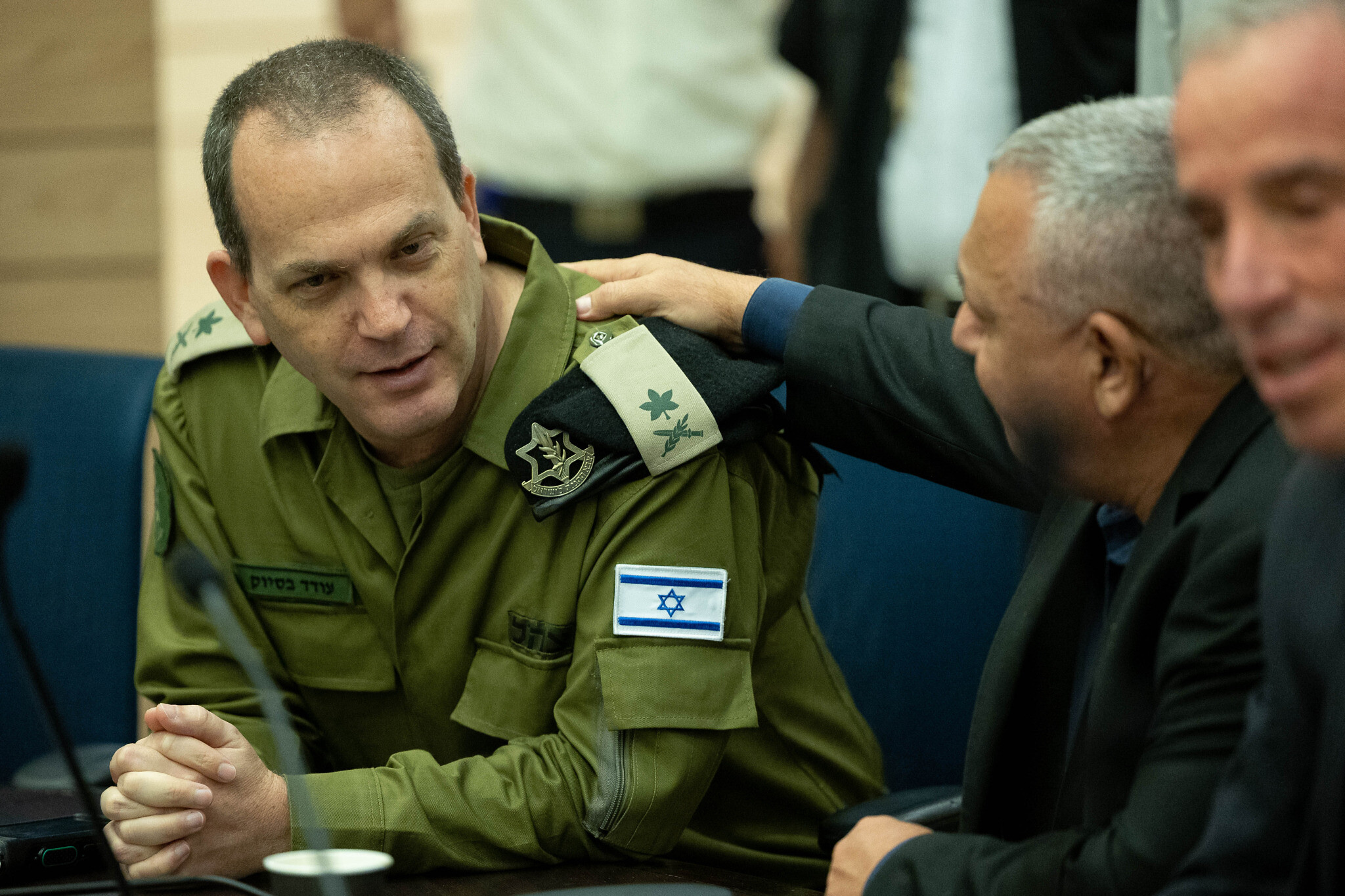
Maj. Gen. Oded Basiuk, chief of the IDF Operations Directorate, attends a Defense and Foreign Affairs Committee meeting at the Knesset, July 18, 2023. (Yonatan Sindel/ Flash90/File)
Likewise, former Southern Command chief Maj. Gen. Yaron Finkelman — who announced his resignation in January, before being replaced in March — will be dismissed from reserve duty and no longer serve in the IDF.
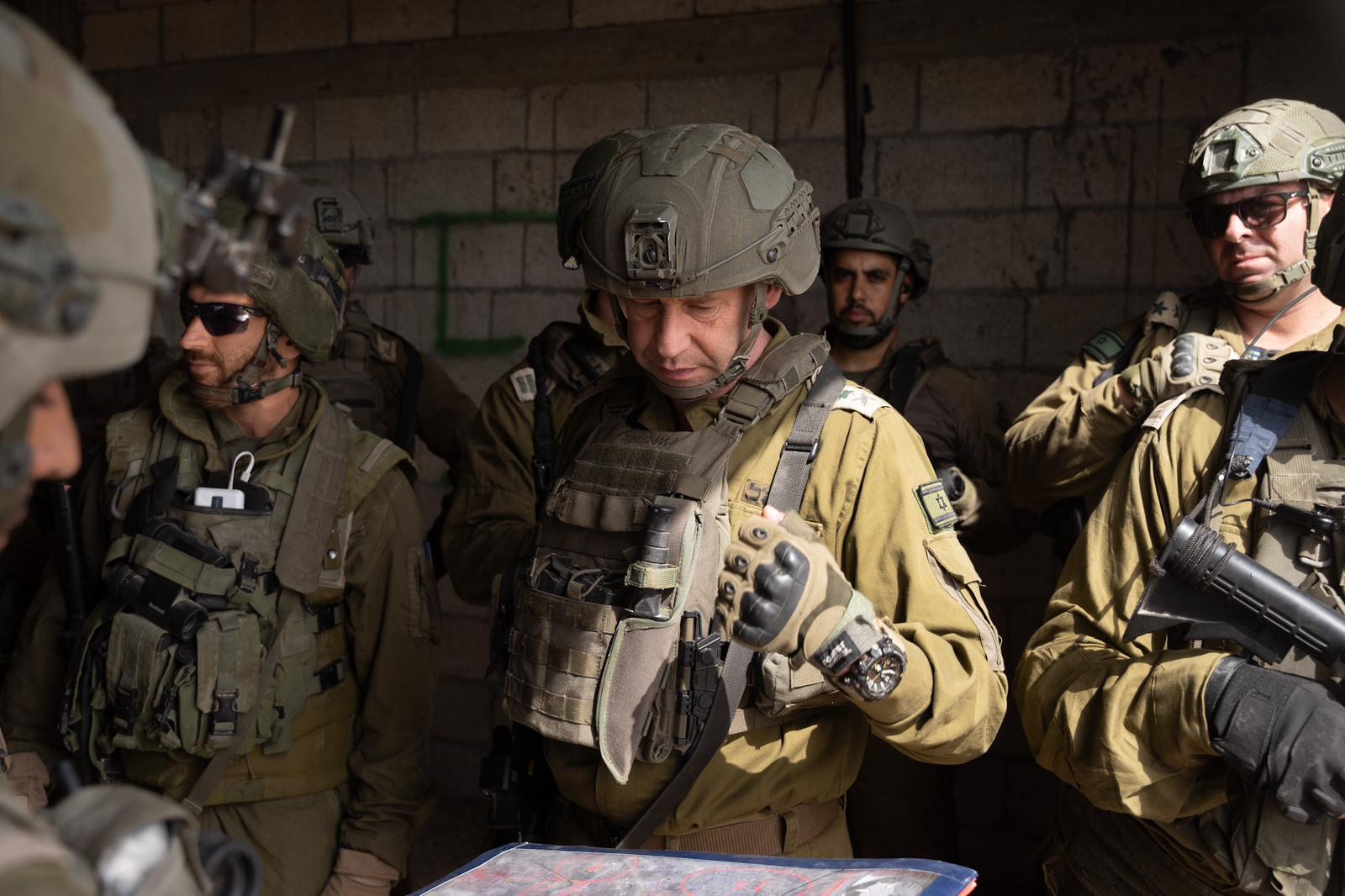
Then-chief of the IDF Southern Command, Maj. Gen. Yaron Finkelman (center) meets with officers in central Gaza, April 26, 2024. (Israel Defense Forces)
Current Intelligence Directorate chief Maj. Gen. Shlomi Binder, who on October 7 served as chief of the Operations Division, was formally censured, but will continue to serve in the role until the end of his four-year tenure in 2028 — after which, he will resign from the military, at his request.
Current Israeli Air Force chief Maj. Gen. Tomer Bar will be censured over the force’s failure to defend against Hamas’s drones and paragliders on October 7. He will, however, continue to serve in the role until the end of his tenure, in April 2026.
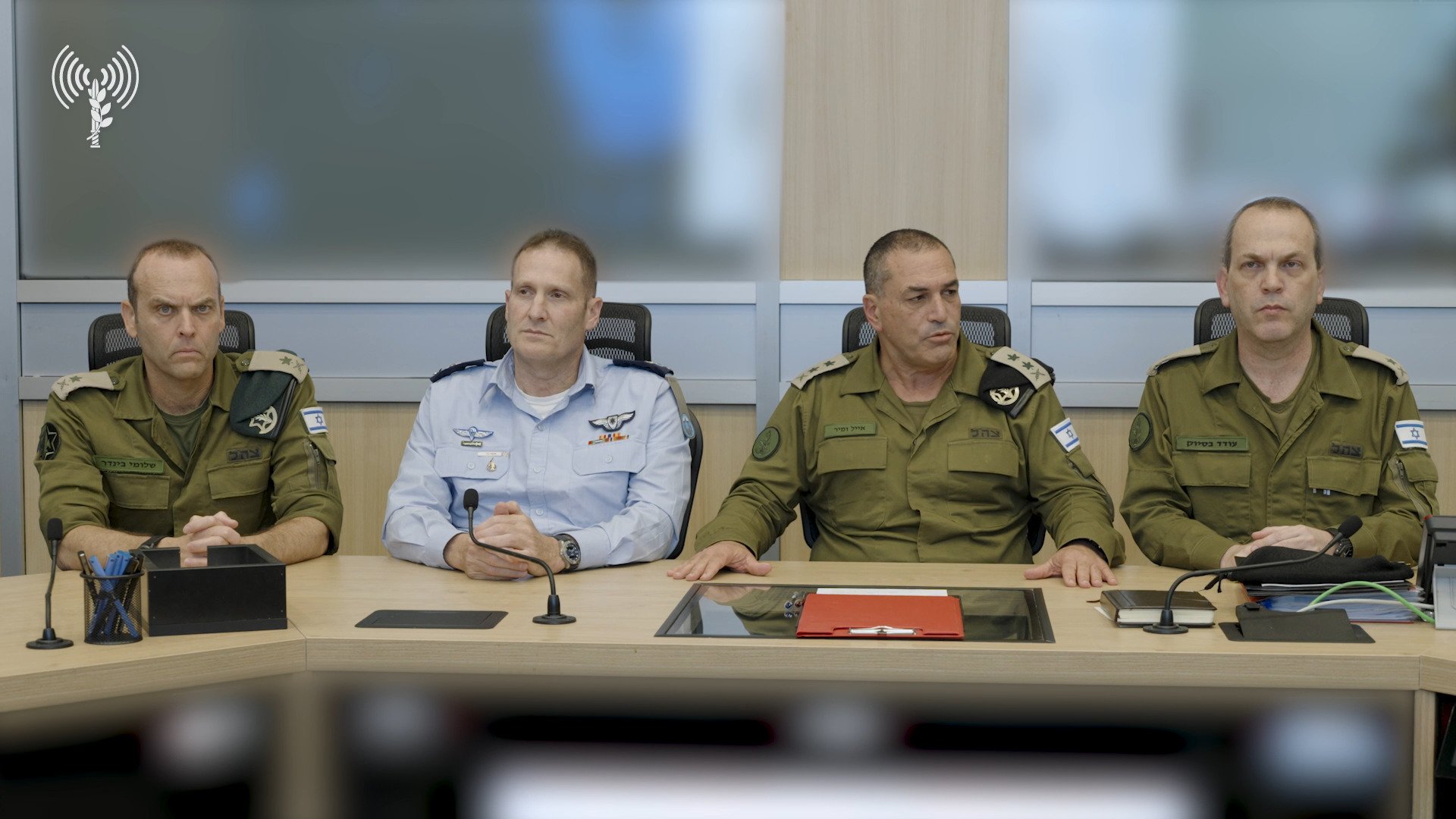
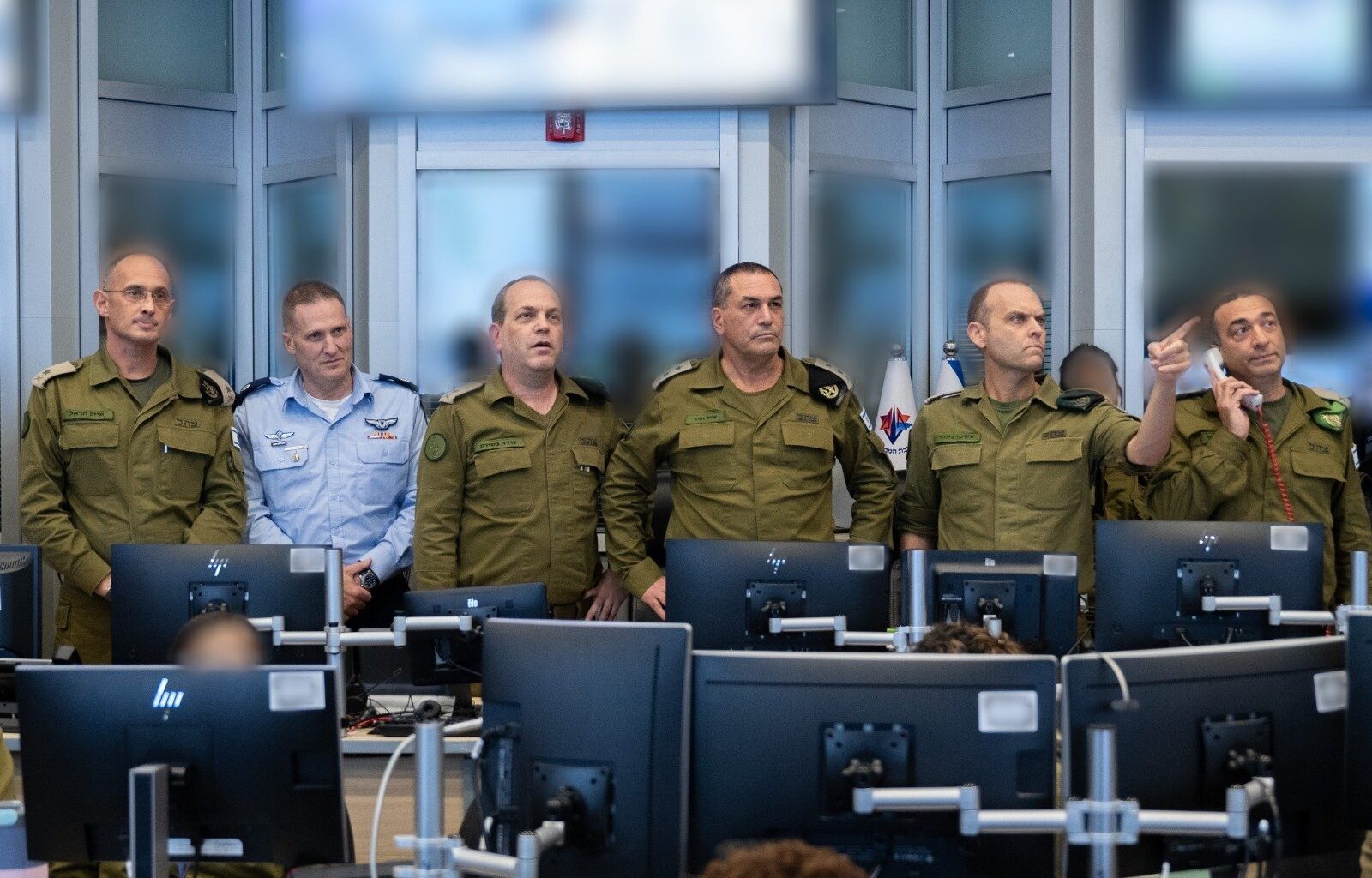
L-R: Intelligence Directorate chief Maj. Gen. Shlomi Binder, IAF chief Maj. Gen. Tomer Bar, IDF Chief of Staff Lt. Gen. Eyal Zamir, and Operations Directorate chief Maj. Gen. Oded Basiuk, during an assessment on June 13, 2025. (Israel Defense Forces)
Israeli Navy chief Vice Adm. David Sa’ar Salama will be censured over the Navy’s failure to defend against Hamas’s seaborne attack on October 7. He will continue to serve in the role until the end of his tenure in the coming months.
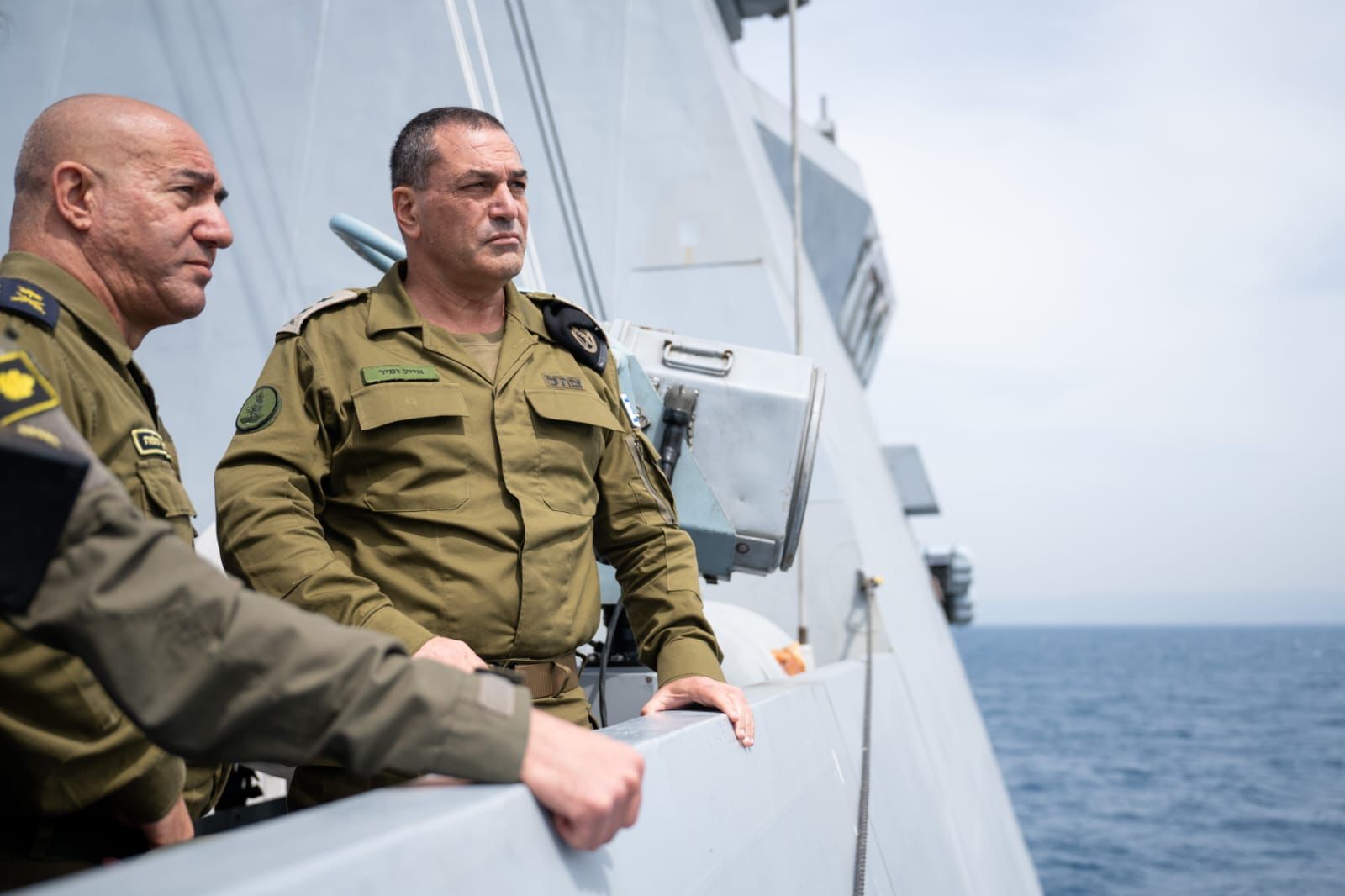
IDF Chief of Staff Lt. Gen. Eyal Zamir (right) is seen alongside Navy Chief Vice Adm. David Sa’ar Salama on an Israeli Navy corvette at the Haifa naval base, March 25, 2025. (Israel Defense Forces)
Brig. Gen. “Gimmel,” who headed the Military Intelligence Directorate’s Operational Division on October 7, and has since moved to another role, will be ousted from the IDF.
Former signals intelligence Unit 8200 commander Brig. Gen. (res.) Yossi Sariel — who announced his resignation in September 2024 and was replaced shortly thereafter — will be dismissed from reserve duty and no longer serve in the IDF.
Former Gaza Division commander Brig. Gen. (res.) Avi Rosenfeld — who announced his resignation in June 2024, before being replaced in September that year — will be dismissed from reserve duty and no longer serve in the IDF.

Brig. Gen. Avi Rosenfeld, the commander of the Gaza Division, during a handover ceremony in August 2022. (Israel Defense Forces)
Former Southern Command intelligence chief Col. (res.) Ariel Lubovski — who was dismissed from his role in March 2024 for having an illicit, but consensual, relationship with a subordinate officer, before being assigned as the IDF’s representative in the National Cyber Directorate, a position he served in for months — will be dismissed from reserve duty and no longer serve in the IDF.
Col. (res.) Haim Cohen, the commander of the Gaza Division’s Northern Brigade during October 7 — who announced his resignation in March, before being replaced in April — will be dismissed from reserve duty and no longer serve in the IDF.
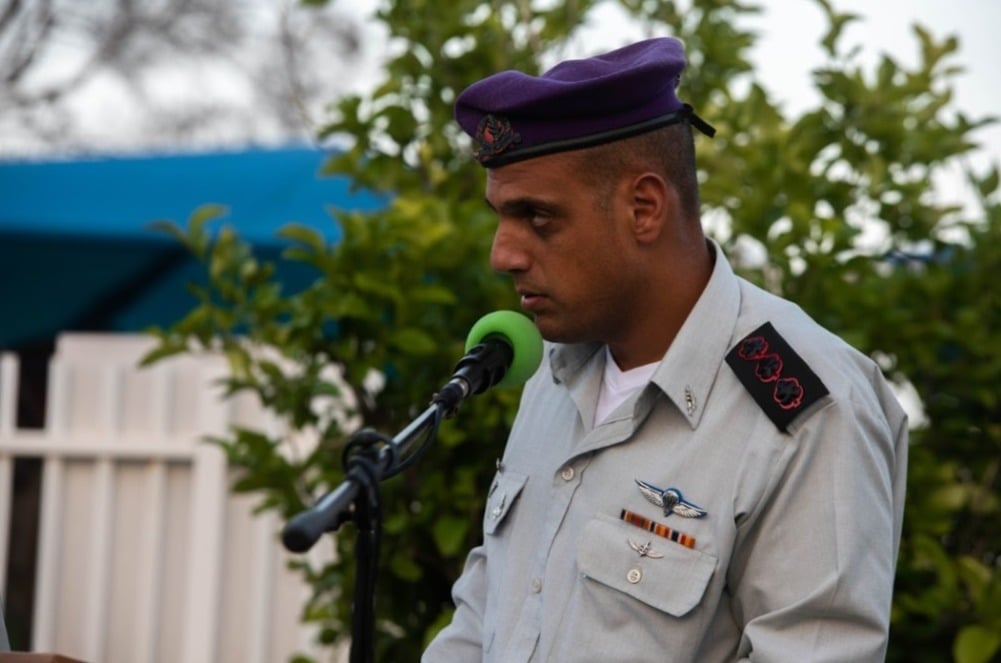
Commander of the Gaza Division’s Northern Brigade, Col. Haim Cohen, is seen during a handover ceremony, April 16, 2023. (Israel Defense Forces/File)
Lt. Col. “Alef,” the intelligence officer of the Gaza Division during and ahead of October 7 — who moved to another role in the Military Intelligence Directorate in early 2025 — will be ousted from the IDF.
Zamir also ruled that there was no issue with promoting three senior officers: Brig. Gen. Eliad Moati, Brig. Gen. Manor Yanai, and Col. Ephraim Avni, after Defense Minister Israel Katz decided to hold up their planned appointments, due to their supposed involvement in the failures of October 7.
Moati is a former commander of the Border Defense Corps, a unit responsible for the IDF’s surveillance soldiers, but he only entered the role a week before the massacre. Yanai is chief of staff at Southern Command, but his role is largely administrative. Avni was operations chief at Southern Command on October 7.
Notably, one prominent officer was not summoned on Sunday by Zamir — Maj. Gen. Eliezer Toledano, who was the head of Southern Command until July 2023, and before that was the commander of the Gaza Division.
Most of the officers met with Zamir in person to receive his decision. Haliva and Sariel did not due to scheduling issues.
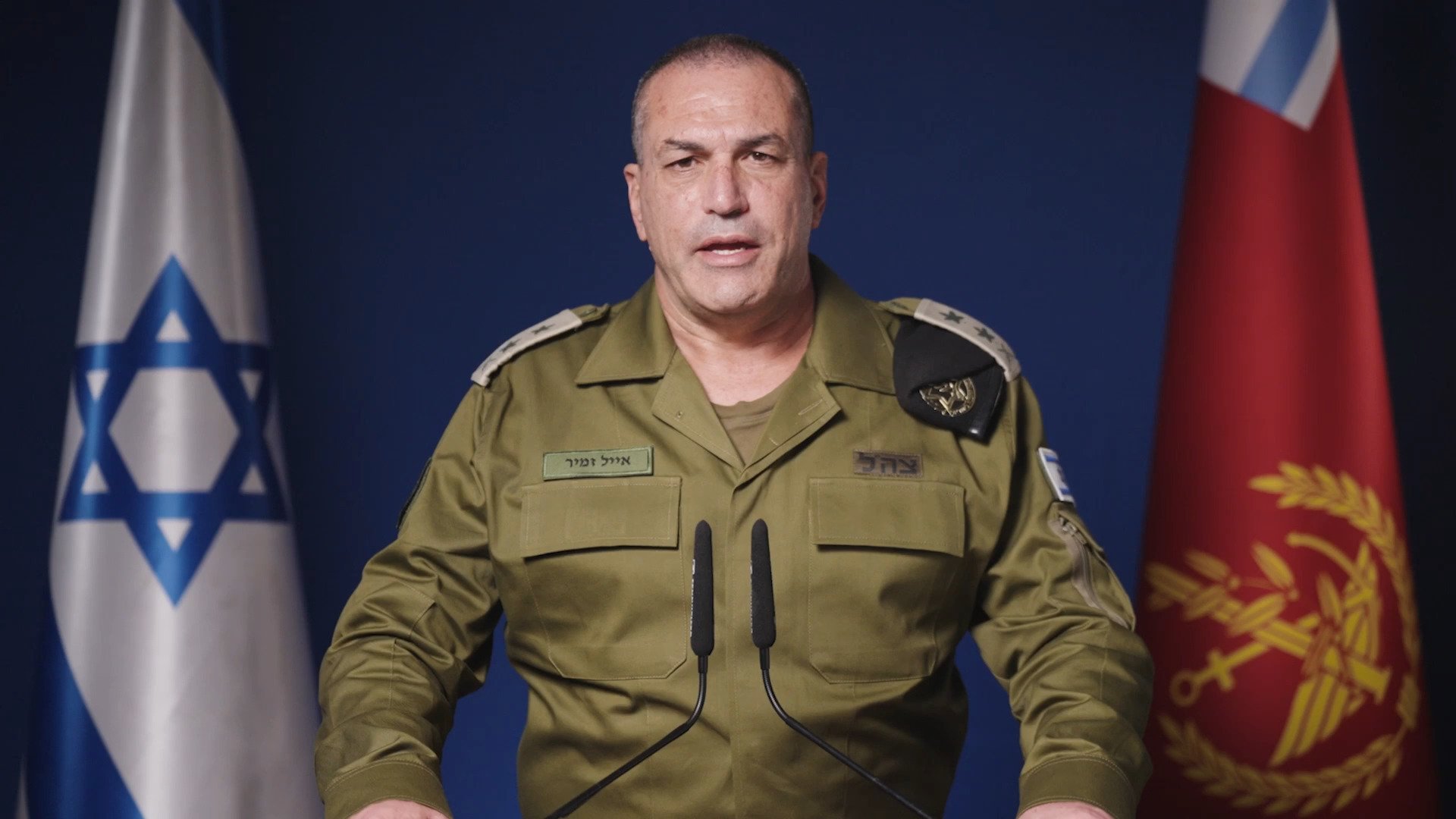
IDF Chief of Staff Lt. Gen. Eyal Zamir speaks in a video statement, November 23, 2025. (Israel Defense Forces)
Speaking on Sunday evening, Zamir said the IDF was “committed to a thorough, professional, and in-depth inquiry of everything that occurred on that terrible day.”
“Out of this commitment, I carried out a series of steps to advance the matter, including the establishment of an independent review team to examine the inquiries and their quality,” he said.
“My conclusions present an unequivocal picture: The IDF failed in its principal mission on October 7 — to protect the citizens of the State of Israel,” Zamir continued.
“This is a severe, resounding, and systemic failure that relates to decisions and conduct before and during the event. The lessons of that day are many and important, and they must serve as our compass for the future, toward which I intend to lead the army,” he said.
“Accordingly, I decided, after careful consideration, to take personal decisions regarding certain officials who served on October 7. This decision is complex and derives from my responsibility to balance systemic and command considerations with the needs of the IDF in a volatile period with threats on all fronts,” Zamir said.
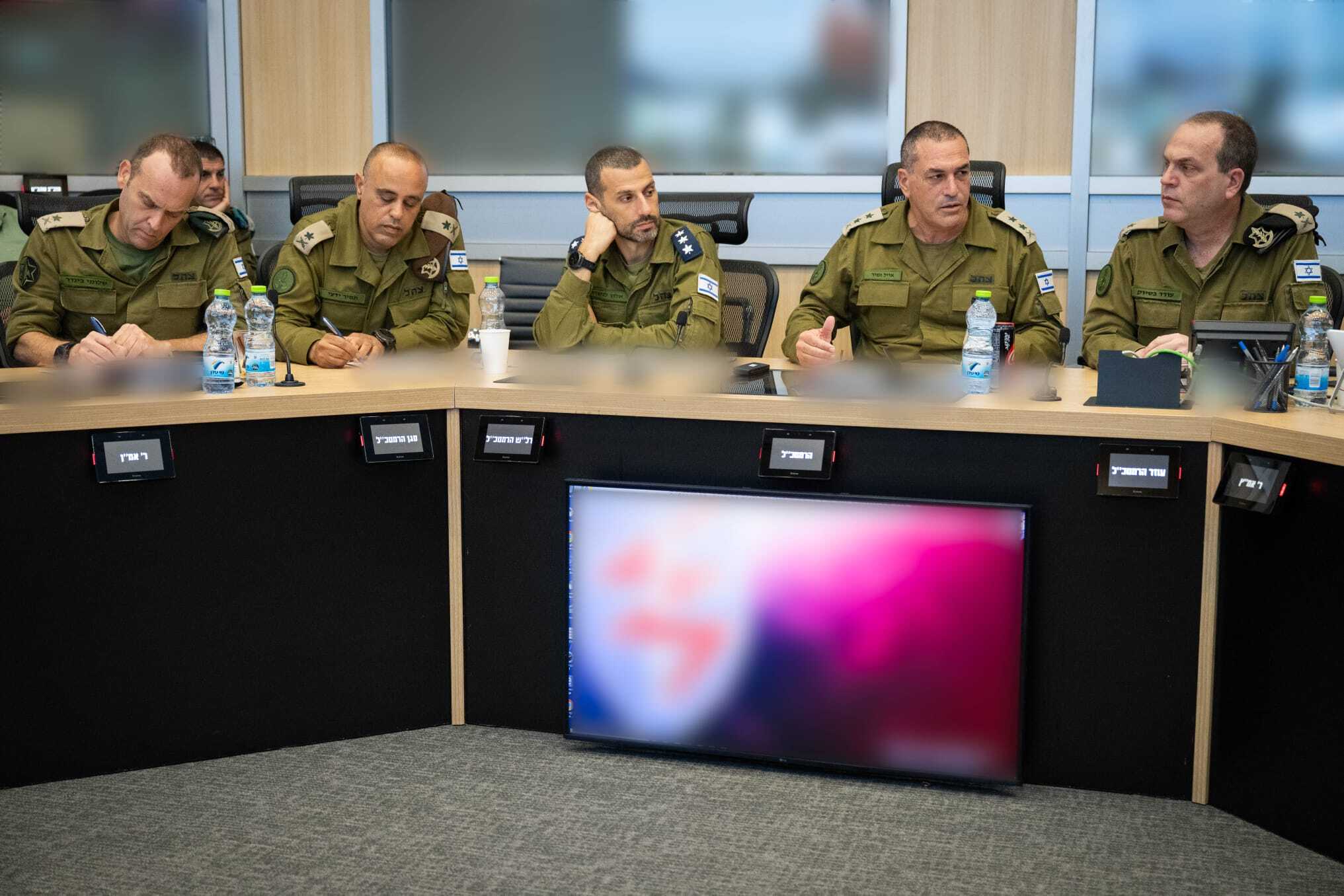
L-R: Intelligence Directorate chief Maj. Gen. Shlomi Binder, Deputy Chief of Staff Maj. Gen. Tamir Yadai, Assistant to the Chief of Staff Col. Alon Laniado, IDF Chief of Staff Lt. Gen. Eyal Zamir, and Operations Directorate chief Maj. Gen. Oded Basiuk, during an assessment at the IDF’s underground command center, June 24, 2025. (Israel Defense Forces)
“I will continue to lead the IDF in the light of truth, and out of responsibility and devotion to the mission,” Zamir added.
The IDF’s initial October 7 investigations were led by former chief of staff Herzi Halevi.
In one of his first decisions upon entering the chief of staff role in March, Zamir appointed an external panel to examine those probes.
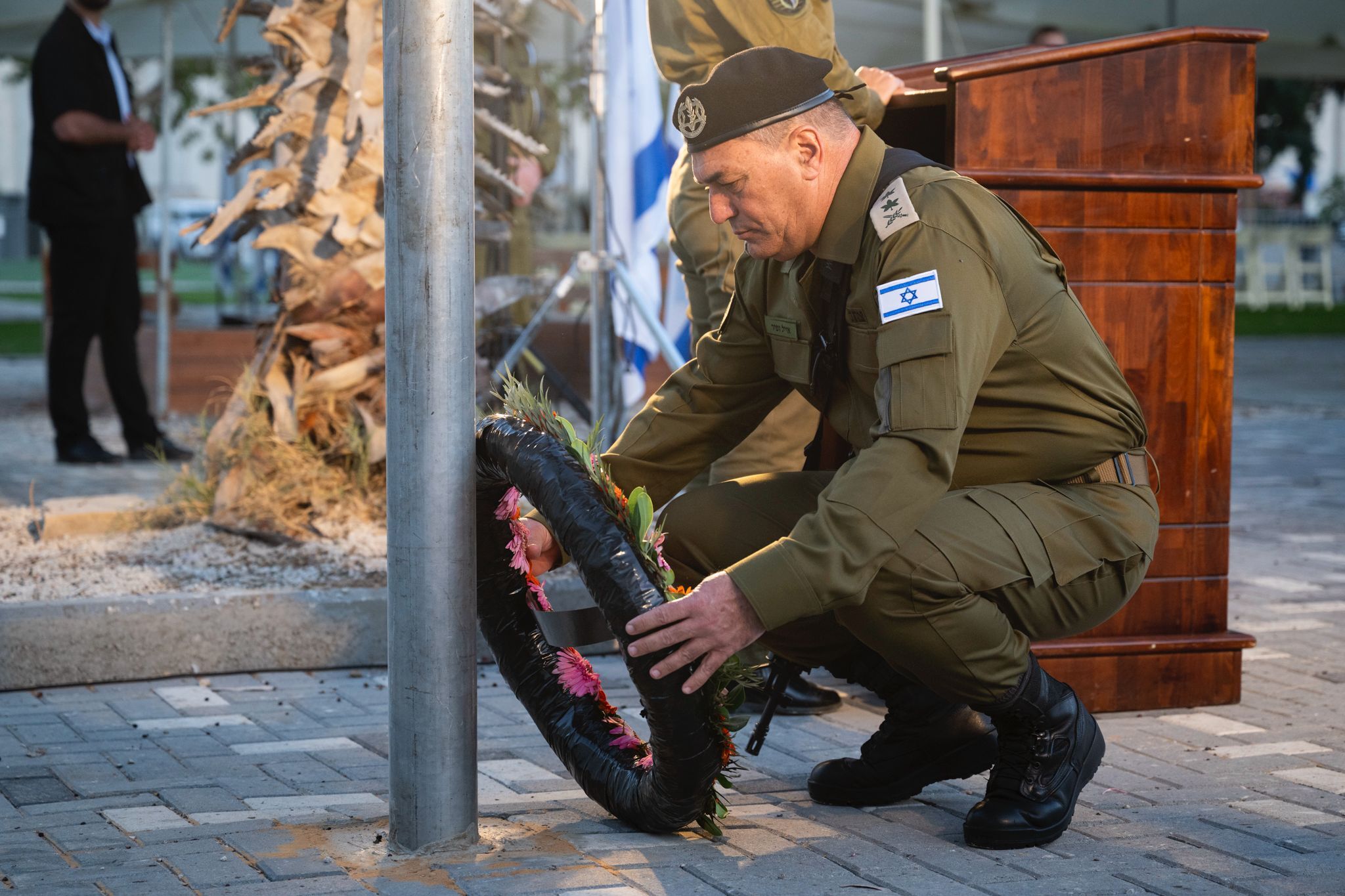
IDF Chief of Staff Lt. Gen. Eyal Zamir lays a wreath during a ceremony at the Nahal Oz base, marking the Hebrew anniversary of the October 7 onslaught, October 16, 2025. (Israel Defense Forces)
After the panel of former senior military officers determined last week that most of the military’s top-tier investigations into its failures were either inadequate or unacceptable, Zamir said that while the military was fully responsible for the failures on October 7, to reach full conclusions, an “external” commission of inquiry must be established.
Zamir notably avoided calling for a state commission of inquiry, which the government opposes, despite surveys consistently showing an overwhelming majority of the public supports it.
Last week, the government voted to launch its own self-mandated inquiry, which critics claim will look to whitewash the government’s responsibility, arguing that those who were in power on October 7 should not control the committee that investigates the attack.