
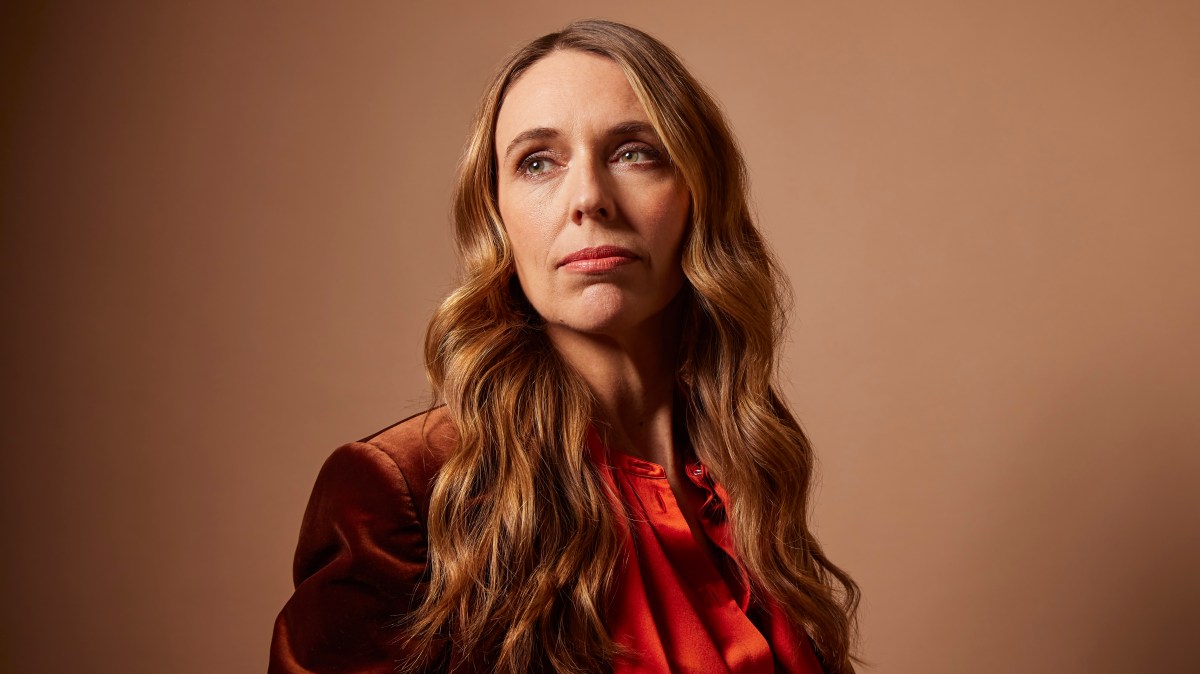
The night before Jacinda Ardern was named New Zealand’s prime minister, she stood in her sister’s bathroom staring at two blue lines on a white plastic stick. She hadn’t planned on becoming leader of her party, let alone prime minister. She certainly hadn’t planned on taking office pregnant.
This was September 2017 and the drama of Ardern’s premiership had only just begun. With a handsome TV presenter partner on her arm and a baby on the way, the 37-year-old sparked Jacindamania across not just her nation but the world. Photogenic ease and youthful charm made her the poster girl of a new generation of progressive politicians that included Justin Trudeau in Canada and Sanna Marin in Finland.
Only the second leader of a democracy ever to give birth in office — Pakistan’s Benazir Bhutto was the first, in 1990 — Ardern brought her baby daughter along to the UN general assembly in 2018. I’d assumed Ardern must have hired a fleet of nannies to cope the rest of the time, but a new documentary, largely filmed on her partner Clarke Gayford’s phone during her time in office, shows the couple juggling all the childcare. Their daughter, Neve, is seldom far from Ardern’s side.
“That was important to me,” she says, “because I didn’t want to ever feel regret. I didn’t want to regret the job I did as prime minister, and I didn’t want to regret the job I did as a mother.”
But the crises piled up. When a white supremacist gunned down 51 worshippers at two Christchurch mosques in 2019, she hugged grieving Muslims, told the world, “They are us,” pledged to ban semi-automatic military-style weapons and passed the law within a month.
She spared New Zealanders the worst of the first Covid wave in 2020 by sealing the borders and locking down swiftly. By the time Boris Johnson cancelled the UK’s Christmas, New Zealand had recorded just 25 Covid deaths. Re-elected for a second term in a record-breaking landslide, Ardern partied into 2021 at a music festival. Vogue dubbed her the “anti-Trump”; the FT called her “Saint Jacinda”.
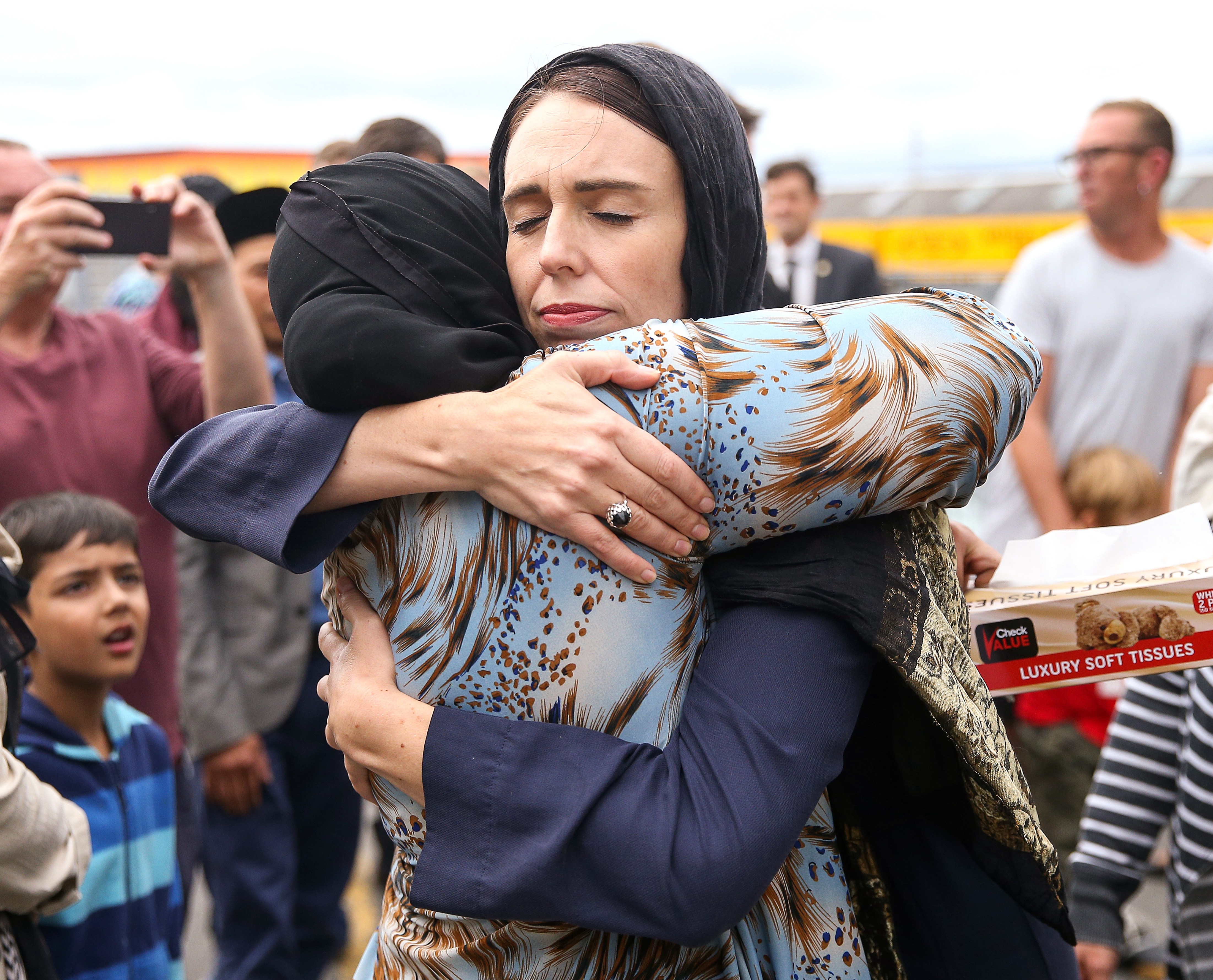
Ardern hugs a Muslim woman after the Christchurch mosque shootings in 2019
GETTY IMAGES
If the velocity of her ascent to global stardom had been dizzying, so too was her crash. A second Covid wave triggered a new lockdown, shattering national unity. When she issued vaccine mandates, the souring public mood turned mutinous. Thousands of protesters set up camp outside parliament, some flying Trump flags and ripping facemasks off passers-by. From her office window she saw gallows strung with a noose, images of her face with a Hitler moustache, swastikas. The illegal occupation went on for weeks, ending in violent clashes with police.
Ardern’s net approval rating had been 76 points in May 2020. By January 2023 it had fallen to 15, and she resigned. Her final speech in parliament included a message to Gayford: “Let’s finally get married.” After a decade together, they tied the knot last year at a North Island winery.
When I heard that a documentary about Ardern’s time in office was coming out, my first thought was: why would anyone watch that? Like Trudeau and Marin’s, her premiership feels like a distant memory from another era. It was only when I sat down to watch Prime Minister that I realised this is precisely the point of it.
Through Gayford’s phone footage we see her in bed, bleary-eyed in pyjamas, breastfeeding Neve, tidying up toddler mess, all while running a country. It makes Ardern so intimately familiar that when we meet at a London hotel, her great big hug feels like a perfectly natural greeting.
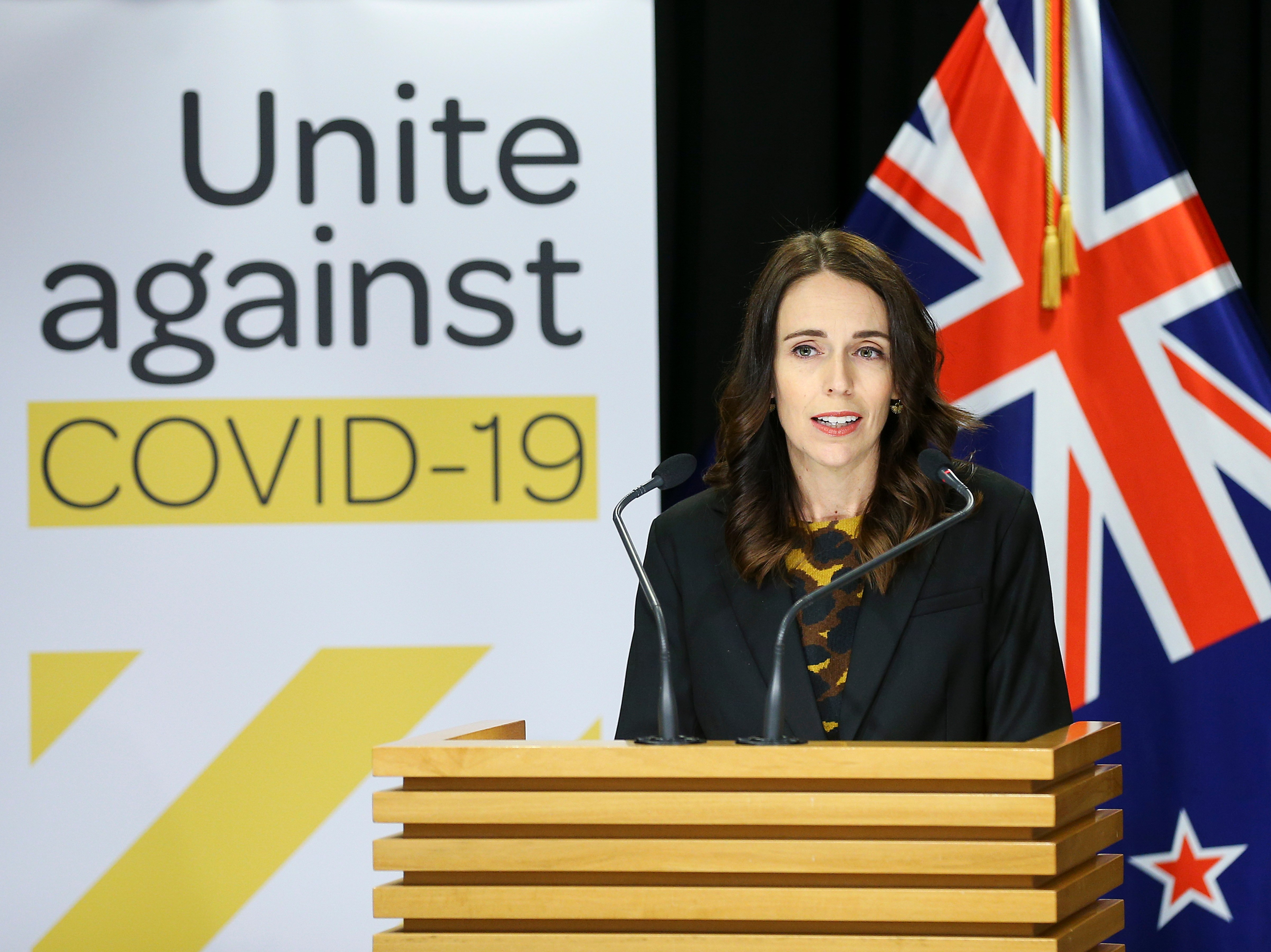
The PM swiftly placed New Zealand under lockdown in 2020
GETTY IMAGES
Self-effacing, down to earth, quick to laugh, everything about Ardern in person rings true to her public image, so I ask why she wanted to be filmed in office. The impulse suggests an off-brand grandiosity.
“If anyone had said to me while I was in office, here’s a proposal for a film, I absolutely would have rejected that. But I’ve always had this idea that if you’re in a moment you’re witnessing, you should try and capture that.” Her husband, she explains, was only filming for a personal family record.
“But then after I left office we had all this footage. And I want to rehumanise leadership. We’re in an age where it’s very easy to dehumanise one another, and that’s when we see extremism and violence. So it might sound lofty, but I hope the film can remind everyone that there are humans in these roles.”
She had been deputy leader of New Zealand’s opposition Labour Party for barely five months when her leader stood down in August 2017 and nominated her as his successor. Had she found out she was pregnant at that point, would she still have agreed to take on the leadership? She looks surprised. “I’ve never been asked that. I probably would have said I couldn’t.”
She had been undergoing IVF, but stopped treatment as the general election approached. “I remember thinking, if I’m still in opposition [after the election] maybe we can try again, but if I’m prime minister we probably can’t. I did not think those two things could coexist.”
Her party’s election win was nothing to the shock of discovering she was pregnant. When she watches the film now, does she feel pride at how she managed to run a country while looking after a baby, or wonder what she was thinking?
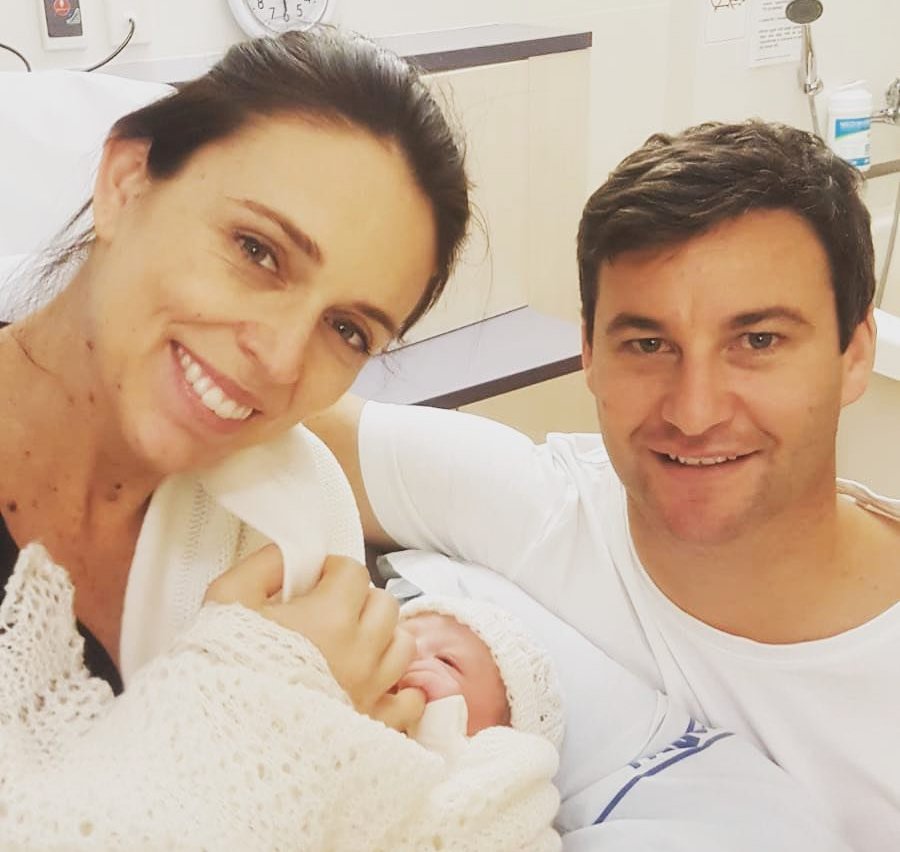
Ardern with her husband, Clarke Gayford, and their newborn daughter, Neve, in 2018
REUTERS
“No, actually when I look at all, I think, oh my gosh, we’ve moved by so fast. Which I think is what most parents feel.”
This is characteristic of someone whose political career was dedicated to proving that politicians can be normal people. She took six weeks’ maternity leave while her deputy ran the country, and Gayford then became a stay-at-home dad. When Ardern travelled on official duties, he and their baby came with her; when Gayford needed to travel to film his fishing show, Fish of the Day, the couple roped in their parents to help. But with democracies across the world now voting for bellicose strongmen, is Ardern sure we still want her model of relatable and empathetic leadership?
She cites the left-leaning prime ministers of Canada (the Liberal Party’s Mark Carney) and Australia (Labor’s Anthony Albanese) and the Mexican president (Claudia Sheinbaum) as evidence we do. “But also we have equated electoral outcomes with a fundamental desire for a particular style of leadership, when I don’t think it’s quite as simple as that.” Voters don’t necessarily want authoritarian strongmen, she says; they’re just fed up with the status quo, financially insecure and willing to take a chance on populists who promise security.
Recent history, however, might cast doubt over whether the kind of leaders Ardern admires even want power. Nicola Sturgeon resigned and Sanna Marin quit electoral politics for good at just 37. Ardern’s own resignation looked to some like proof that she simply wasn’t cut out for the job.
• The problem with Jacinda Ardern’s ‘kindness’
“That makes an assumption that quitting is somehow an admission of defeat, as opposed to something that should be part of the system. I don’t think the only options for the way that you exit politics are death or defeat. But I had that conversation with my husband, who was worried that people might interpret it that way. I said, well, the alternative is just that I keep going, even if I don’t think that’s the right thing to do.”
She quit when she realised “the timing now is right for me, for the party, for the country”. In that order? “Oh no, I would put me at the end. If I had made a decision solely through the lens of what’s good for me, I would have seen that as being indulgent and selfish. The decision-making process was, I don’t think I’ve got enough in the tank for another four years. I’m becoming more defensive. My curiosity is waning more than I want. The qualities I value are waning. Therefore my responsibility as a leader is to recognise that and move on.”
The film makes no reference to the deluge of abuse Ardern endured. Eight people have been prosecuted for threatening to kill her. Recurring words in online posts about her were “bullet”, “c***”, “execute”, “noose” and “Neve”. Ardern mentioned none of this in her recent autobiography either, so I ask why.
“I’ve always been a bit loath to focus on it — partly because my day-to-day experience was not of the threats. It was actually the enormous privilege of the job. I know it sounds trite but it’s the truth. But I’d say probably the big thing is that, culturally, in New Zealand you never make it about yourself. Very rarely do I ever allow anything to become about me.”
The film may incur accusations of making everything very much about her. Her husband was one of its producers, but Ardern had no editorial control and only saw it for the first time when it debuted at the Sundance Film Festival in January. Is she worried about looking fame-hungry?
“I’m not worried about that because I think if you see it, you can see that’s not what it’s about.” She starts to laugh. “I mean, if I cared about my image that much, I probably wouldn’t be in my pyjamas quite as often as I am.”
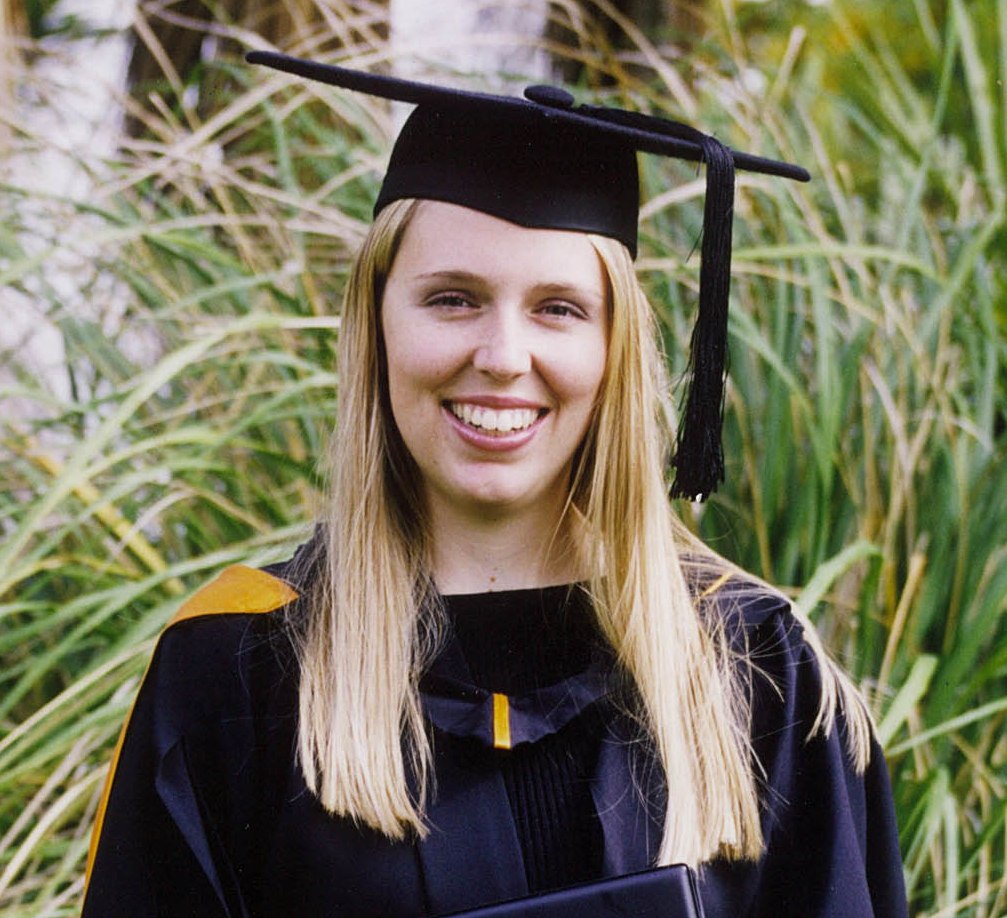
Graduating from Waikato University, 2001
Ardern must know that in today’s celebrity economy it’s exactly this sort of unfiltered invasion of one’s own privacy that attracts attention, so this feels a little disingenuous. Then again, a refusal to dwell on unkind things others may say seems to be a central plank of her personality. For all the ugly toxicity of politics today, “I would still do it all again”. What needs to change, she argues, is our expectation of leaders.
“We have to accept that every human makes a mistake, so every political leader will as well. But a range of reasons, not least the 24-hour media cycle and the constant demand for the immediate fix of any political issue, mean that our bar for who you have to be is really high. When actually we just need humans. We just need good humans in the job.”
The daughter of a police officer and a school dinner lady, with one older sister, Ardern was born in Hamilton on the North Island in 1980 and spent her early childhood in Murupara, a remote forest village, before moving to Morrinsville, a quiet town in dairy farm country. Faith mattered more than politics in her family; her parents were Mormons and raised her within the Church of Jesus Christ of Latter-day Saints, which she left in her twenties, unable to reconcile its belief that homosexuality is a sin with her support for LGBT rights. It was an aunt who first sparked Ardern’s interest in politics and she joined Labour at 17, before taking a degree in communication studies at the University of Waikato.
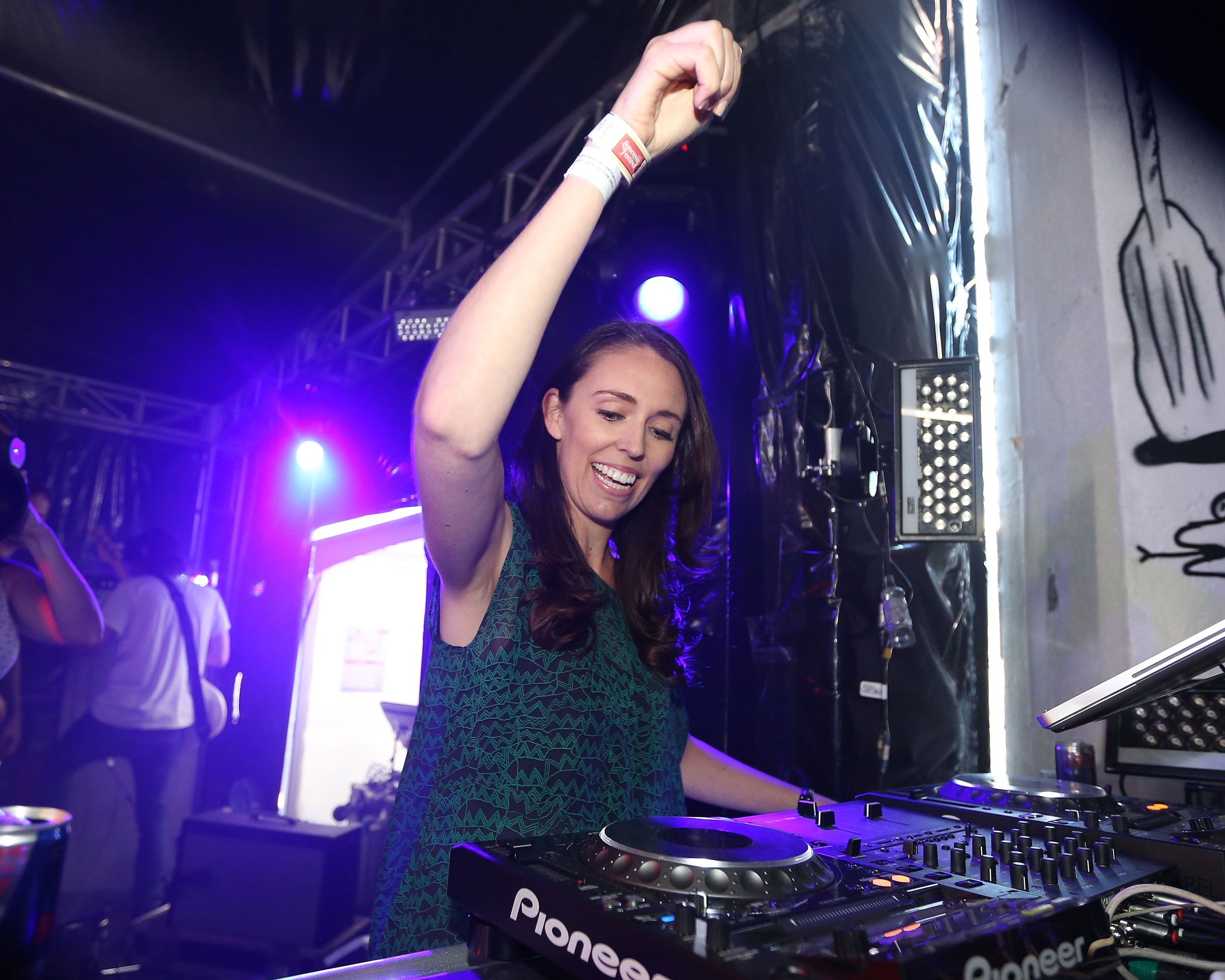
DJing at a festival in Auckland, 2014
GETTY IMAGES
On graduating she worked in the parliamentary office of Helen Clark, New Zealand’s prime minister at the turn of the millennium. She moved to London in 2006 to work as a policy adviser in Tony Blair’s Cabinet Office. After two years a former New Zealand Labour party colleague called to ask if she would stand as an MP. Returning home, she was voted in as the youngest sitting member in parliament and soon became a senior member of the opposition.
After leaving office in 2023, Ardern was appointed to three fellowships at Harvard, and she and her family moved to Massachusetts. Neve went to school there, while Gayford worked on the documentary. Ardern’s work at Harvard focused on the rise of political extremism and dangerous online content, and she taught a course on empathetic leadership.
“Sometimes the idea of empathetic leadership is treated as if it’s something that a) only women champion, which I don’t believe to be true, or b) only small countries’ people will vote for. But I think FDR was an empathetic leader and he was someone loved by the American people.” President Franklin D Roosevelt pulled the US out of the Great Depression in the 1930s. “In difficult times, empathetic leadership can be the answer.”
• Jacinda Ardern accepts damehood despite republican sympathies
She is reluctant to discuss the current US president. When I ask if she’s relieved not to be in office having to deal with Trump 2.0 she sidesteps the question with, “I dealt with 1.0.” While prime minister, in 2018 she appeared on The Late Show hours after the UN general assembly had laughed at Trump during his address. Though impressively diplomatic when questioned about the laughter, her smile was mischievous. Would she respond in the same way on camera today?
“Oh, good question.” She doesn’t answer it. “I try and avoid being drawn into this idea that we should all be defined by one particular person’s political leadership. Because in my mind that’s falling into the trap of accepting that that is the dominant form of leadership.”
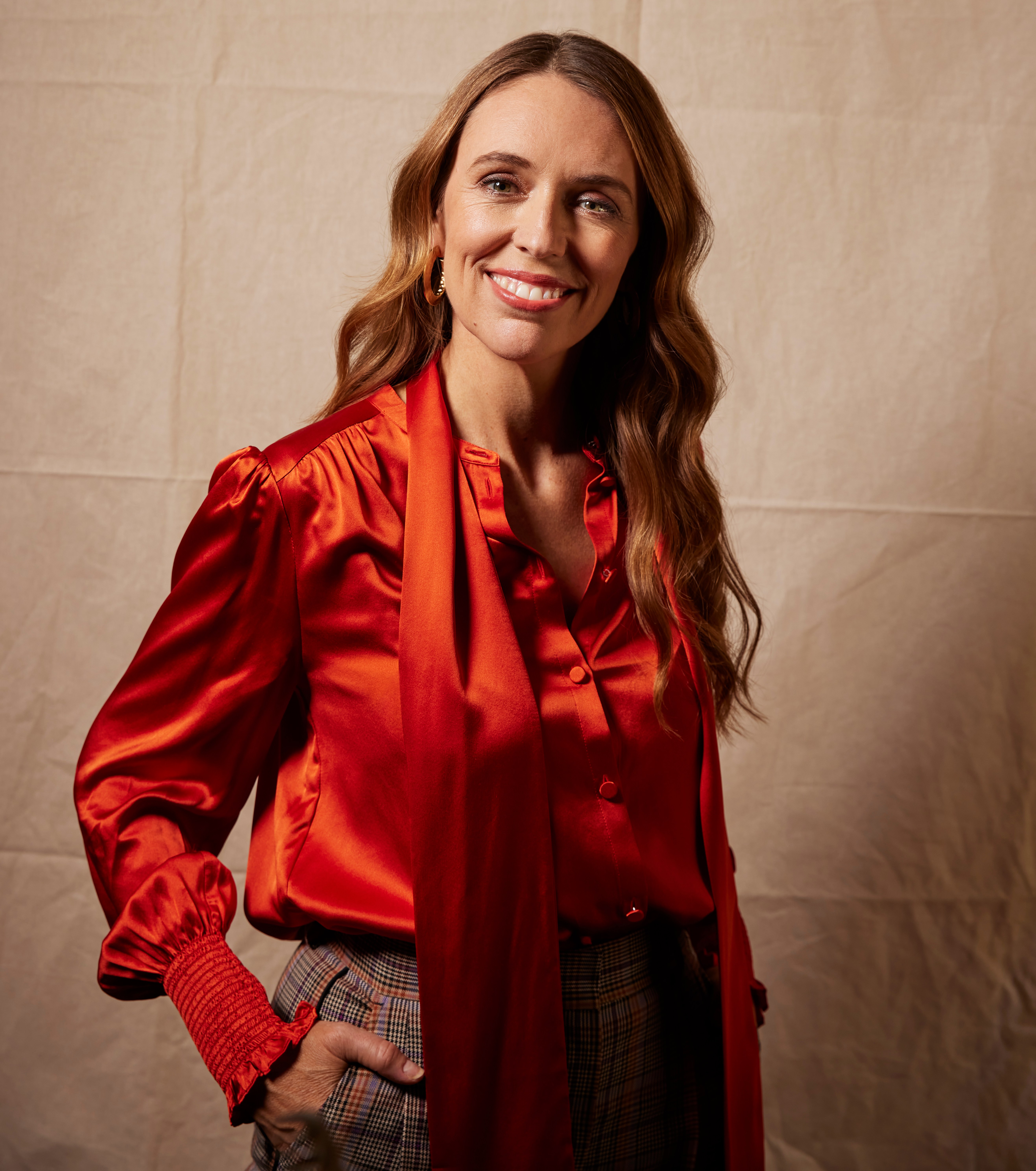
DAVID VINTINER FOR THE SUNDAY TIMES MAGAZINE
After leaving Harvard this summer she is spending some time in the UK as a member of Oxford University’s World Leaders Circle, a network of former heads of government designed to foster international collaboration among leaders. “And then who knows what’s next.”
She sounds casual as she says this, but Ardern has never excelled at taking time off. “I’m an active relaxer,” she joked earlier this year; her only hobby on record is DJing, but she hasn’t played publicly since 2014.
This year she published her memoir, A Different Kind of Power, and a children’s book, Mum’s Busy Work. A self-described policy nerd, she was one of 12 global leaders to receive a $20 million grant from Melinda French Gates’s Pivotal Ventures to be distributed to women’s health charities. She also continues to work with the Christchurch Call, the initiative she co-founded following the Christchurch massacre to tackle terrorist and violent online content. She was in Rio this month as a board member of the Prince of Wales’s Earthshot prize.
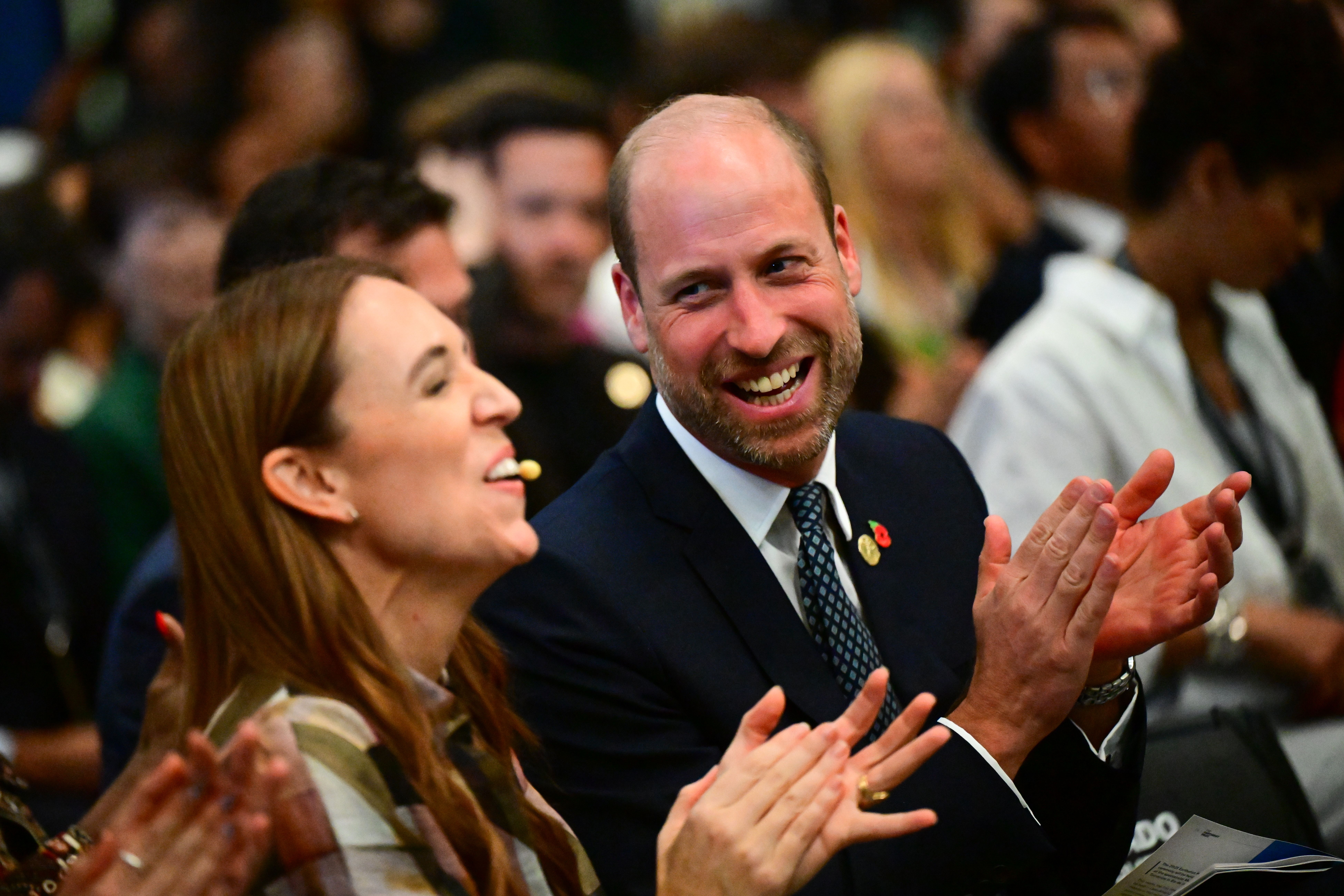
Joining Prince William at the Earthshot environmental awards in Rio this month
SHUTTERSTOCK EDITORIAL
She regularly visits family in New Zealand, where she remains a divisive figure but now rates more favourably than the country’s current prime minister.
I ask how global Jacindamania affected her. “It makes me deeply uncomfortable. Because it doesn’t leave any room for error, does it? Even after that historic election outcome [in 2020] my immediate thought was, that next poll is going to be harsh. So I always had that in my mind.”
The day she stood down, Barack Obama tweeted that she had led “with foresight, integrity and empathy. Her country is better off because of her remarkable leadership — and the rest of us are too.” None of us could surely be unaltered by these kinds of plaudits.
“I think I am. I fundamentally at my core think I’m the same person.”
That would be an incredible achievement, I say. She bursts out laughing.
“Oh, I never saw that as an achievement. No, I think it just means that all the flaws I had before I still have.”
Prime Minister is in UK cinemas from December 5