
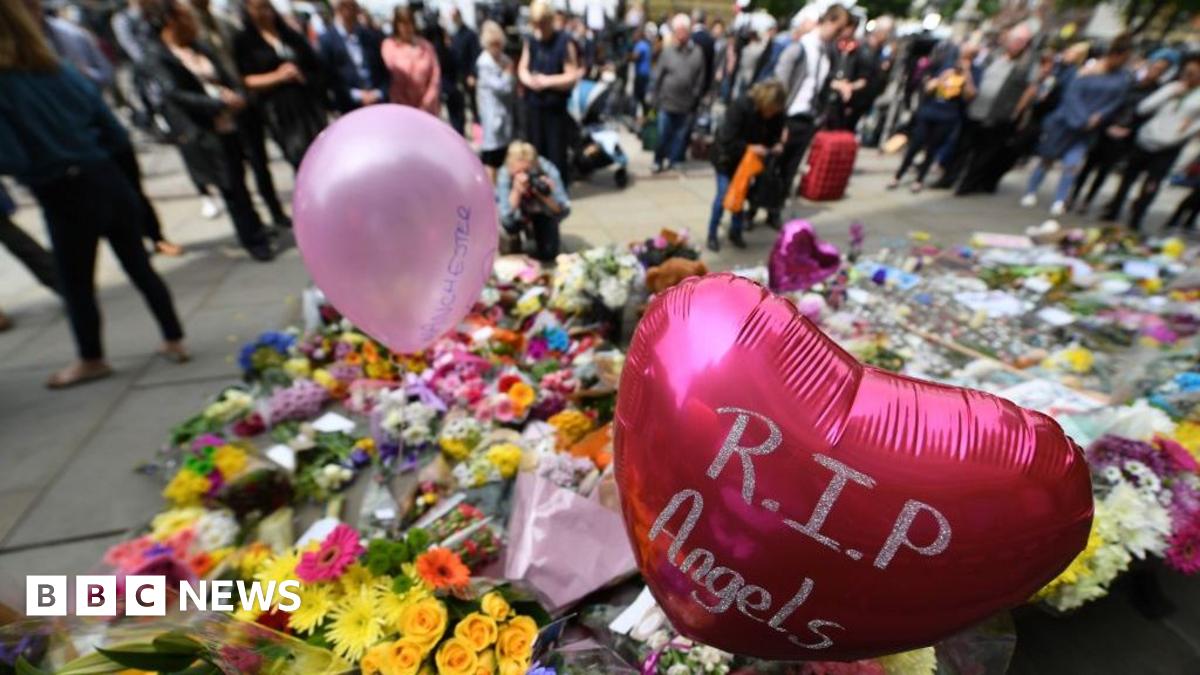
Figen and Stuart Murray, the parents of Martyn Hett who was killed in the Manchester arena attack in 2017, said the day would not only honour the lives lost, but also acknowledge the “immense courage of survivors”.
The 2017 Westminster Bridge attack, in which four people died when a man drove his car into crowds and then stabbed a police officer outside Parliament, and the bombing at an Ariana Grande concert in Manchester the same year, in which 22 people died and 116 were injured, are among the worst attacks in the UK in recent years.
In October, two people were killed in an attack that the government said was “an evil act of antisemitic terrorism” on a synagogue in Manchester on the holy Jewish day of Yom Kippur.
Ministers have previously been criticised over support provided to victims and survivors of terror attacks.
In 2023, support network Survivors Against Terror published a report surveying more than 130 survivors of 11 attacks, which described the official compensation scheme for such incidents – the Criminal Injuries Compensation Authority (CICA) – as “broken”.
At the time, the government said the scheme had paid £158m to victims of violent crime in the previous year alone.
A subsequent review, external by the Home Office’s Victims of Terrorism Unit found support for victims and survivors of terror attacks “needs to go further”.
In response to that, the consultation for the national day was launched, along with plans for a support hub with specialist trauma care that the government says it expects to start next summer.