
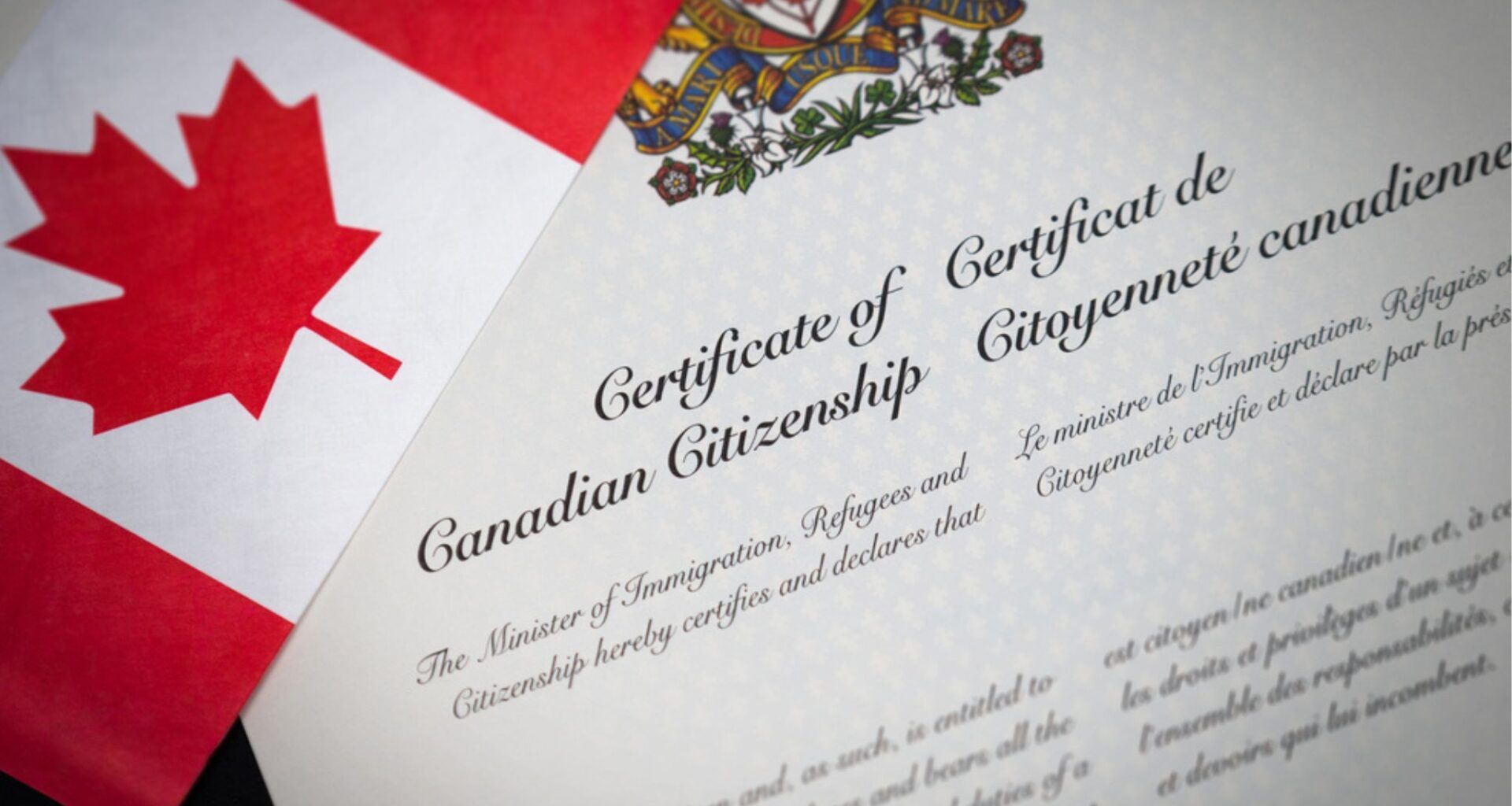
Obtaining Canadian citizenship is about to get easier for more people after crucial legislation became law last week.
On Thursday, Nov. 20, Bill C-3, an Act to amend the Citizenship Act, received royal assent. Also known as the “Lost Canadians” legislation, the new law will extend Canadian citizenship by descent beyond the first generation.
“Bill C-3 will fix long-standing issues in our citizenship laws and bring fairness to families with children born or adopted abroad,” stated Lena Metlege Diab, minister of immigration, refugees, and citizenship. “It will provide citizenship to people who were excluded by previous laws, and it will set clear rules for the future that reflect how modern families live.”
Canada has taken an important step toward modernizing its citizenship laws. Bill C-3 has received royal assent, ensuring Canadians affected by outdated rules have a fair way to pass citizenship on to their children born or adopted abroad.
The bill will come into effect at a… pic.twitter.com/u1FKDwD9ik
— IRCC (@CitImmCanada) November 22, 2025
Essentially, the new law will automatically give Canadian citizenship to anyone who would be a citizen today if not for the first-generation limit.
The first-generation limit prevents people who were born outside of Canada to a parent who was also born or adopted outside of Canada to a Canadian parent from automatically becoming a Canadian citizen.
Under Bill C-3, a Canadian parent born or adopted abroad will be able to pass Canadian citizenship onto their child born or adopted outside Canada on or after the law kicks in, provided they have a significant connection to Canada. That is demonstrated by at least 1,095 cumulative days (three years) of physical presence in Canada before their child’s birth or adoption.
Mehaniq/Shutterstock
In 2023, the Ontario Superior Court of Justice declared the first-generation limit as “unconstitutional,” but suspended that declaration until Nov. 20, 2025.
Ottawa has yet to set a date for when Bill C-3 will come into force. Until then, the interim measure remains in place for people affected by the first-generation limit.
The federal government says the first Canadian Citizenship Act of 1947 contained “now-outdated” laws that caused many people to either lose their Canadian citizenship or not receive one in the first place. This group was dubbed the “Lost Canadians.”
In 2009 and 2015, legislative changes restored or gave citizenship to a majority of “Lost Canadians.” Around 20,000 people became citizens and were issued certificates as a result of these changes.
However, the first-generation limit was introduced in 2009, causing some individuals who were born abroad beyond the first generation between Feb. 15, 1977, and April 16, 1981, to lose or fail to obtain citizenship at the age of 28.
“By updating the Citizenship Act to reflect the global mobility of modern Canadian families, the federal government has made access to citizenship more fair and reasonable,” stated Don Chapman, founder of the Lost Canadians.