

Listen to this article
Estimated 4 minutes
The audio version of this article is generated by text-to-speech, a technology based on artificial intelligence.
Despite three ‘no’ votes from councillors who have been outspoken about their concerns, Fredericton council approved the 2026 budget at Monday night’s meeting.
“By supporting existing programs while investing significantly in public safety, recreation, transit, and public grants, we’re building a city that works for everyone,” said Coun. Greg Ericson, who chairs the finance committee.
The $184.8 million general fund budget keeps the inside tax rate where it is, despite what city staff and councillors described as a challenging year after the province froze property tax assessments for 2026.
The outside rate, for households in recently annexed areas, will go up by five cents per $100 of assessment. This increase, which affects roughly 10 per cent of city residents, will be for areas such as Douglas, Pepper Creek, Estey’s Bridge and Lincoln.
That rate is continuing to be slowly increased to catch up with the inside rate and the cost of providing services to outlying areas of the city.
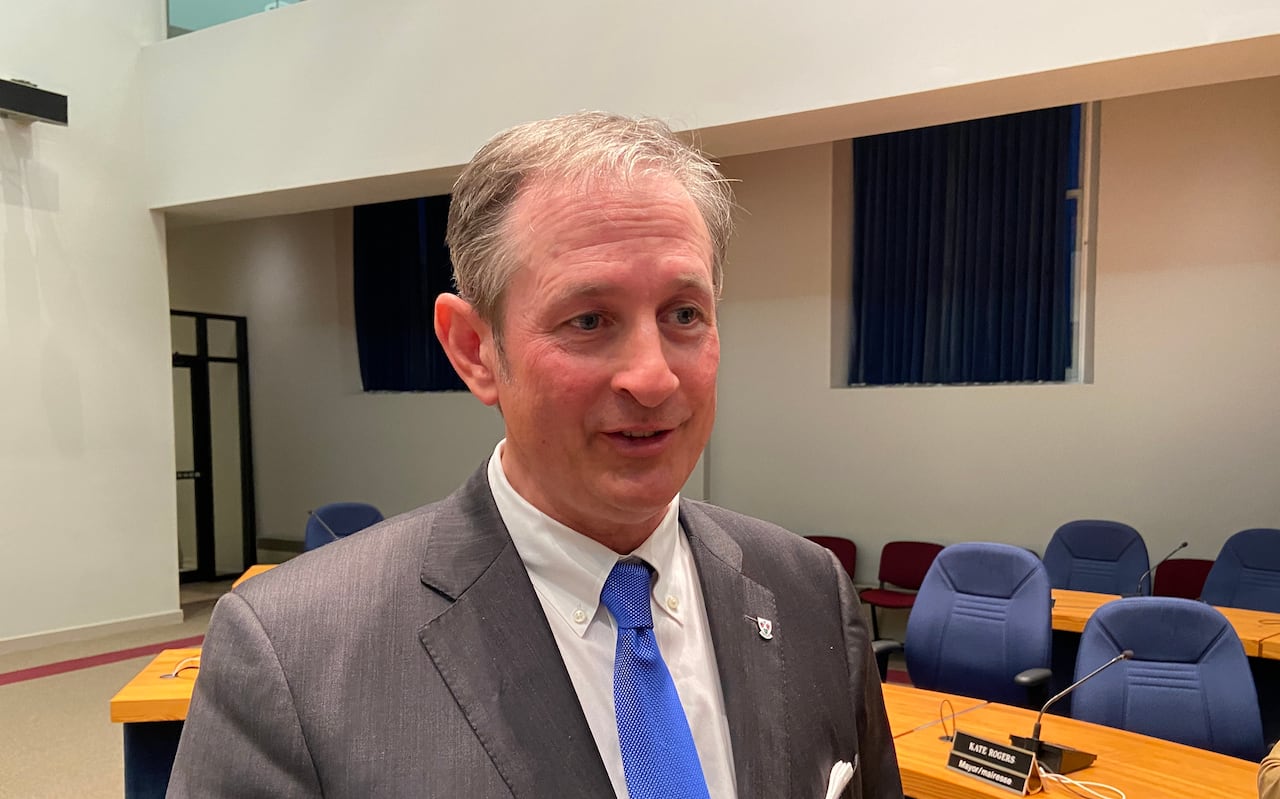 Coun. Greg Ericson said the provincial tax assessment freeze was a challenge in crafting this year’s budget. (Aidan Cox/CBC)
The province froze property assessment for 2026 while it reviews the property tax and assessment system. The 2.4 per cent increase in Fredericton’s tax base this year came from new construction, home sales and major renovations.
The freeze “meant that the city must address its inflationary costs through revenues that might otherwise have been used to address other city priorities,” Ericson said.
Some public fees will be increased under the budget, including hourly rates for arenas and rental fees of sports fields and pools.
Hourly rates for parking meters and the lots in the Tannery and Officers’ Square will increase from $2 to $2.50 an hour.
On-street daily parking permits will increase from $5 to $7.50 per day.
Water and sewer rates will also increase slightly.
Three councillors vote against budget
One dissenting voter and critic of this year’s budget throughout the whole process, Coun. Steven Hicks, told council he was disappointed — mainly about the outside tax rate increase.
While he said the city’s police force will soon take over coverage of these areas from the RCMP, they still lacked transit, water and sewage services and sidewalks.
“I just wanted to speak to that because I know I’ve heard from a lot of folks and they just feel like they don’t have a voice,” Hicks said.
Coun. Eric Megarity, who also voted against the budget, echoed Hicks’ concerns and asked why outside rates couldn’t be maintained.
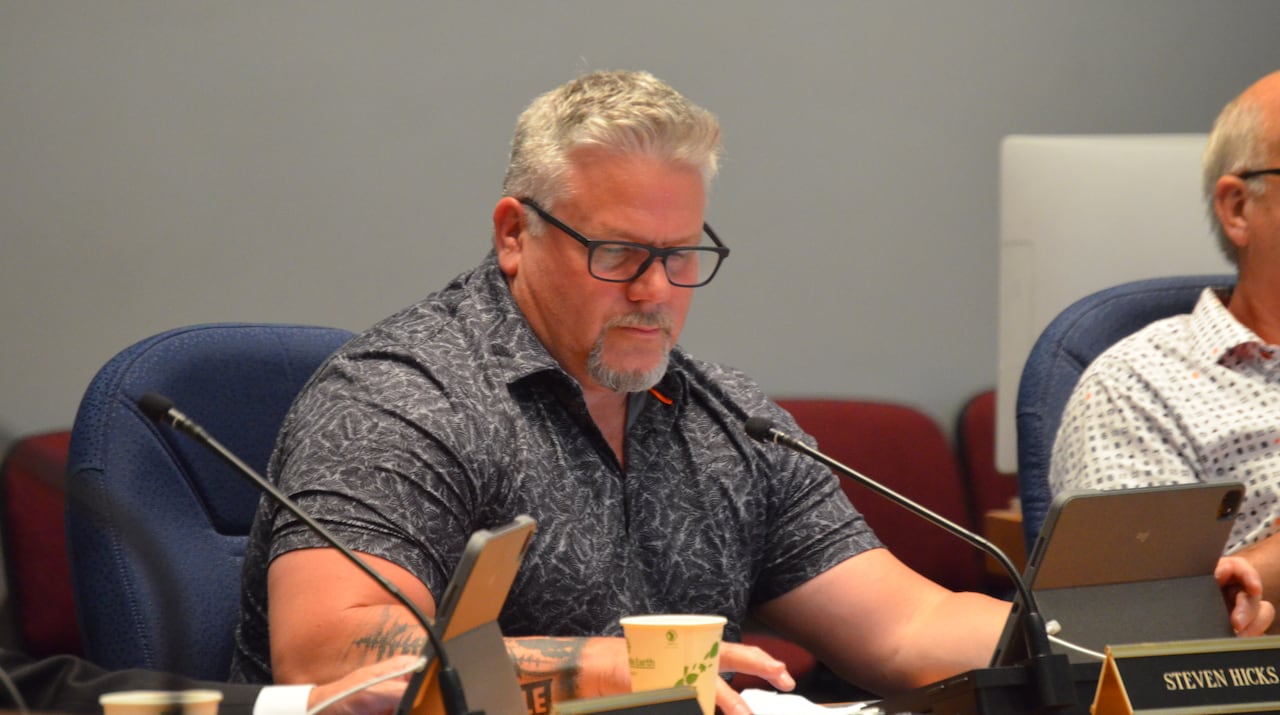 Coun. Steven Hicks voted against the budget, and said he was concerned about the outside tax rate increase. (Aidan Cox/CBC)
“I think if we give a zero tax increase to 90 per cent of our citizens, why not 100 per cent?” he said.
Coun. Margo Sheppard also opposed the budget, and said she has also heard from concerned citizens in the outside areas.
“They’ve had a couple of years already where the services have been slowly making their way out … but the taxes have been coming fairly steadily,” she said.
The budget includes roughly $3.7 million in grants and contributions to community organizations.
After the meeting, reporters requested an interview with Mayor Kate Rogers, but through a city spokesperson, were told Rogers deferred all comments to Ericson.
Ericson said it’s challenging for a city to craft a budget under provincial rules that require it to be balanced.
“So we’re constantly juggling either, you know, increases to our rates or changes to our service levels.” Ericson said.
“And we’re loath to change service levels because we want to create a consistent community experience for our residents and for their tax dollars.”
Asked about the fee increases like parking, Ericson said it comes down to either moderate increases over time or a “worse” larger increase later on. As for the outside rate increase, Ericson said the cost to service those areas is more expensive.
Public safety services, public transit and road and sidewalk management were among the categories receiving the most funding from the budget.