
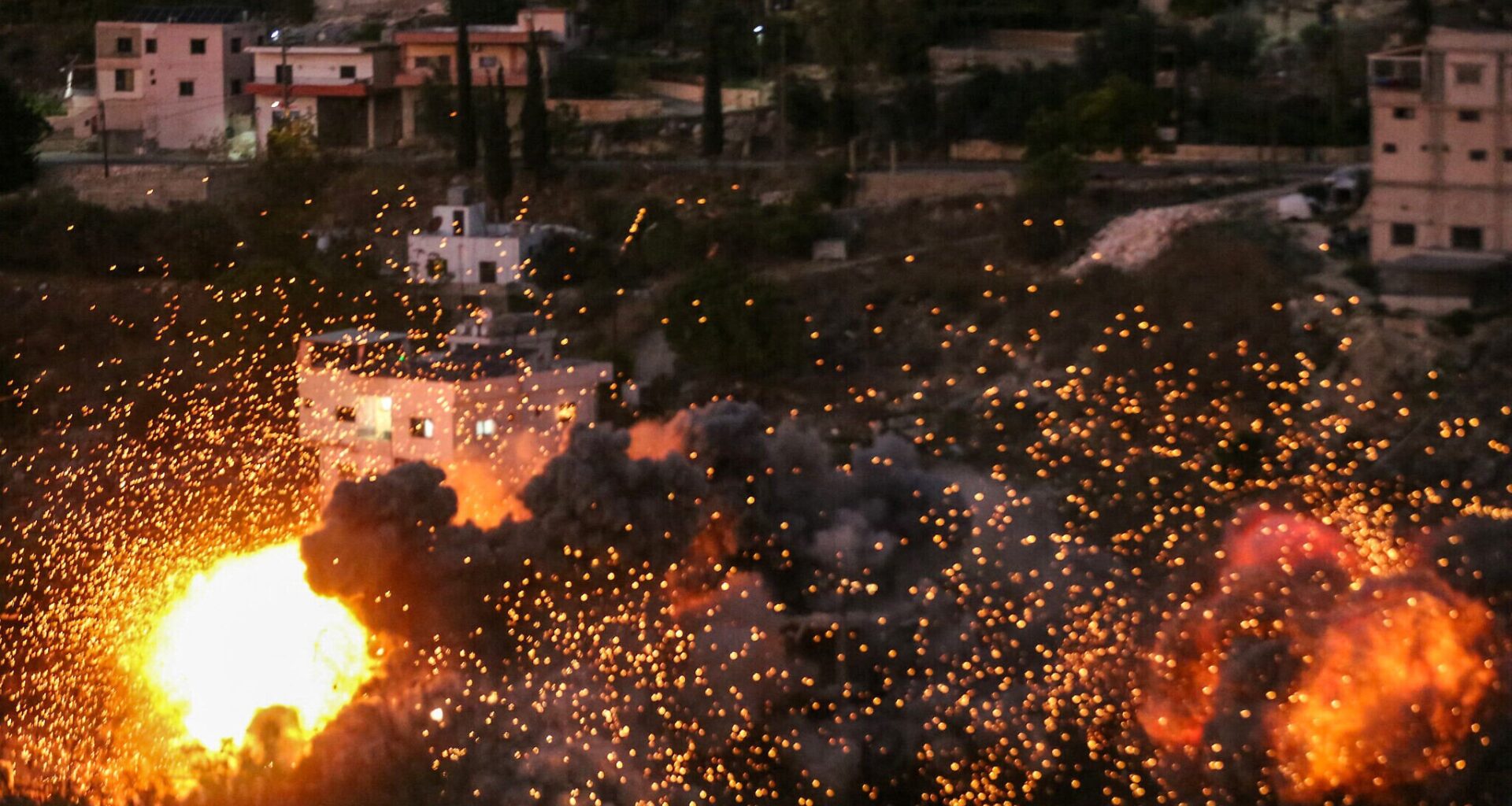
The United Nations human rights office on Tuesday said at least 127 civilians had been killed in IDF strikes in Lebanon since the Israel-Hezbollah ceasefire took effect a year ago, and called for an investigation and for the truce to be upheld.
“Almost a year since the ceasefire between Lebanon and Israel was agreed, we continue to witness increasing attacks by the Israeli military, resulting in the killing of civilians and destruction of civilian objects in Lebanon, coupled with alarming threats of a wider, intensified offensive,” said Thameen Al-Kheetan, spokesperson for the UN human rights office, at a Geneva press briefing.
He said the number reflected deaths it had verified based on its own strict methodology but that the real toll could be higher.
The November 27, 2024, ceasefire agreement required both Israel and Hezbollah to vacate southern Lebanon, while allowing Israel to act against imminent threats from Lebanon.
It envisioned the Lebanese military and international peacekeeping force UNIFIL taking over south Lebanon and dismantling Hezbollah infrastructure there.
Get The Times of Israel’s Daily Edition
by email and never miss our top stories
By signing up, you agree to the terms
Israel, which says Hezbollah is rebuilding, has intensified its attacks on the Iran-backed terror group in recent days, including a strike that killed its de facto military leader on Sunday.
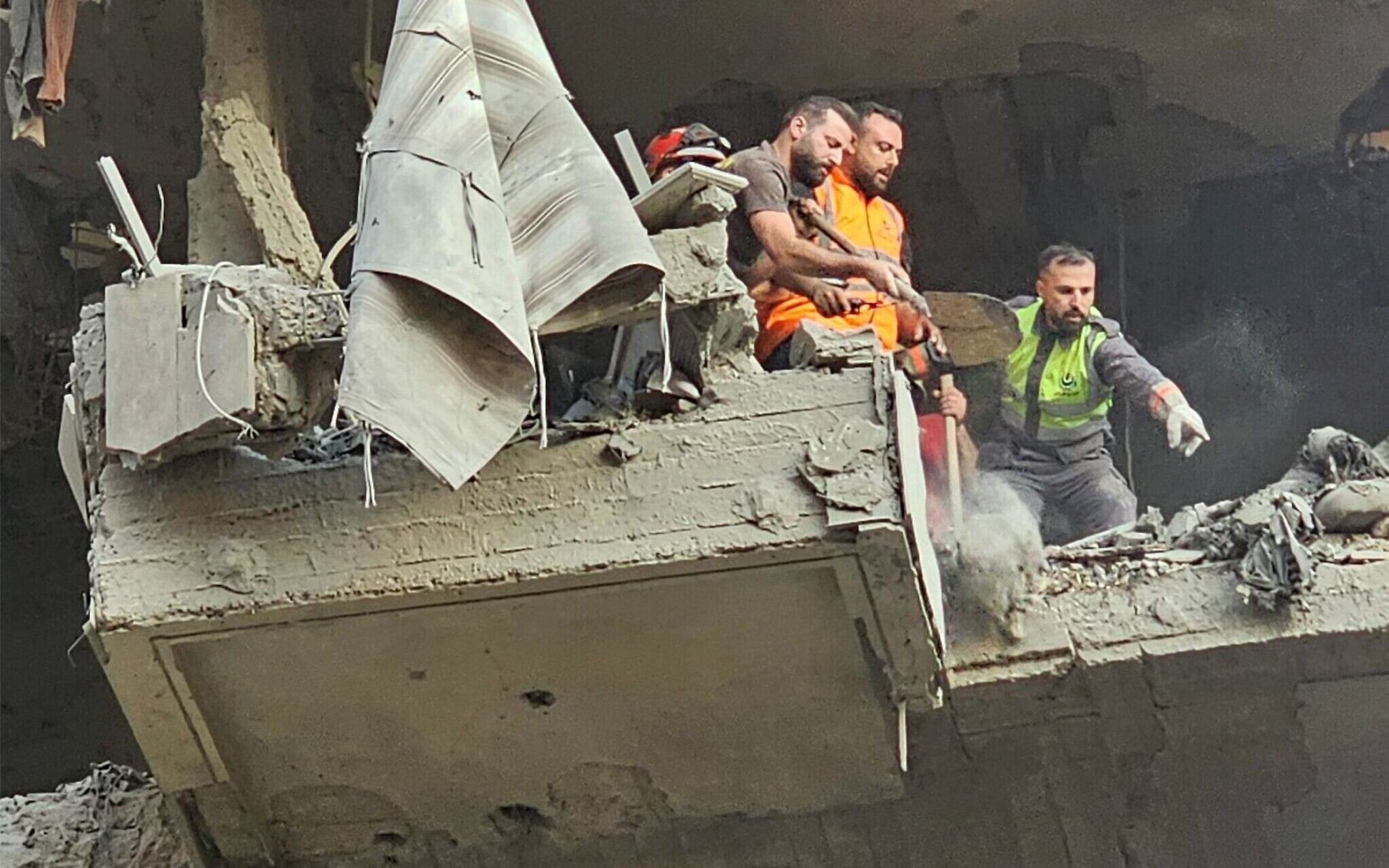
Rescuers search for survivors at the site of an Israeli airstrike on an apartment building in the southern suburb of Beirut, on November 23, 2025. (AFP)
Lebanon has accused Israel of violating the ceasefire by continuing its strikes and holding onto five spots along the countries’ border.
According to Lebanon’s health ministry, more than 330 people have been killed in Lebanon and 945 have been wounded since ceasefire took effect.
The figures do not distinguish between civilians and combatants. The IDF says that, since the ceasefire took effect, it has killed over 350 Hezbollah operatives and members of allied terror groups, hit hundreds of Hezbollah sites, and conducted over 1,200 raids and other small operations in southern Lebanon.
The ceasefire sought to end over a year of hostilities sparked when Hezbollah, unprovoked, began launching near-daily attacks on Israel on October 8, 2023 — a day after fellow Iran-backed group Hamas invaded southern Israel, sparking the war in Gaza.
Hezbollah’s attacks displaced some 60,000 residents of northern Israel. In a bid to enable their return home, Israel escalated operations in Lebanon in September, decimating Hezbollah’s leadership, before invading the country.
UN calls for ‘prompt and impartial’ probe
Speaking to reporters, Kheetan, the UN right office spokesman, highlighted last week’s Israeli strike on the Palestinian refugee camp Ain al-Hilweh in Lebanon, which local media said killed 13 people, including 11 children.
Israel, which has accused both Hamas and Hezbollah of embedding themselves among civilians, said the attack targeted terror operatives at a Hamas training facility. But Kheetan told reporters in Geneva “all the fatalities we have documented as a result of this strike were civilians, raising serious concerns that the Israeli military’s attack may have violated international humanitarian law principles on the conduct of hostilities.”
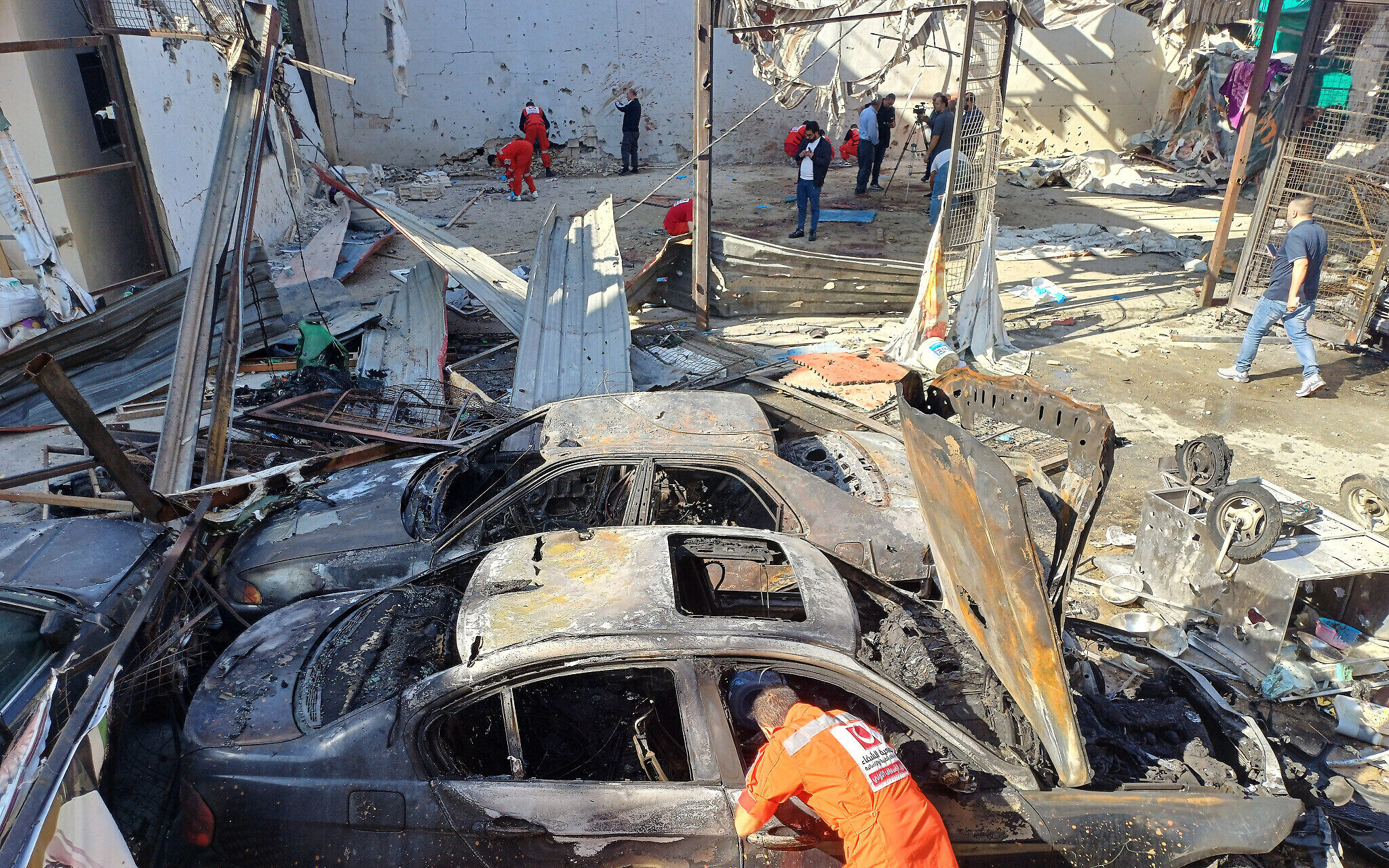
Palestinian rescue workers check the scene where an Israeli strike hit the Ain al-Hilweh Palestinian refugee camp, in the southern port city of Sidon, Lebanon, November 19, 2025. (AP Photo/Mohammed Zaatari)
“There must be prompt and impartial investigations into the Ain al-Hilweh strike, as well as all other incidents involving possible violations of international humanitarian law by all parties, both before and after the ceasefire,” Kheetan said. “Those responsible must be brought to justice.”
Asked who should carry out the investigations, he said: “When we’re talking about strikes conducted by the Israeli military, the Israeli military should investigate its own actions.”
“Of course, the Lebanese state has the responsibility to investigate similar violations that can occur from its side,” he added.
Kheetan highlighted that continuing Israeli attacks in Lebanon had also destroyed and damaged civilian infrastructure.
“They have also severely hampered reconstruction efforts and attempts by internally displaced people to go back to their homes in southern Lebanon,” he said.
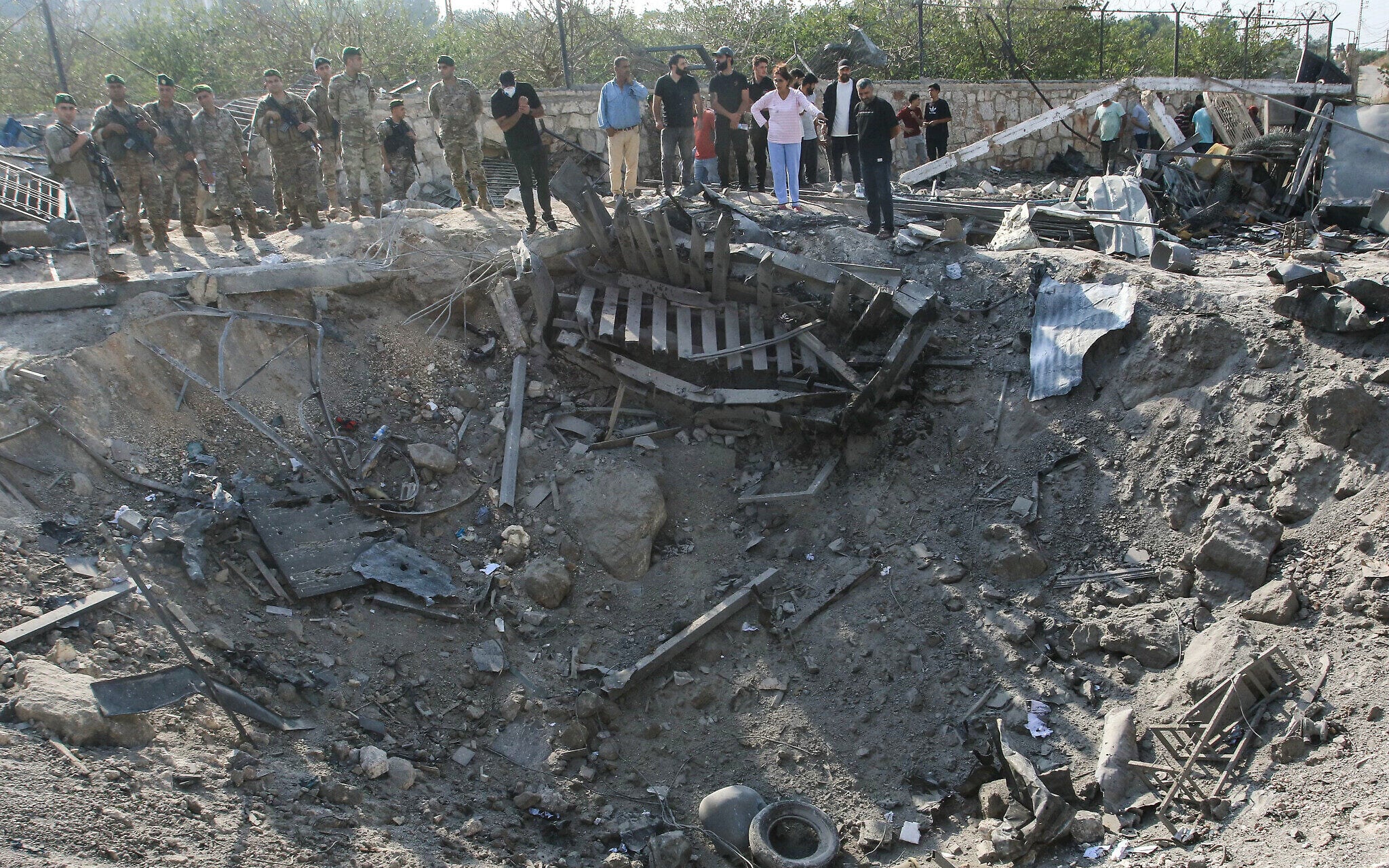
Lebanese soldiers and local residents stand at the site of an Israeli airstrike in the southern Lebanese village of Toura, Lebanon, on November 6, 2025. (MAHMOUD ZAYYAT / AFP)
According to the UN rights office, more than 64,000 people, mainly from southern Lebanon, remained displaced in other parts of the country after last year’s war.
Some of those people were prevented from returning home because of a wall constructed by the IDF that UNIFIL has said crosses the UN-demarcated Blue Line, the de facto border between Israel and Lebanon.
“Israel started constructing a wall crossing into Lebanese territory that makes 4,000 square meters inaccessible to the population, thus affecting people’s right to return to their lands,” Kheetan said.
“All those internally displaced must be able to go back to their homes, and reconstruction should be supported, not hampered,” he said, urging all parties to comply with the ceasefire “in good faith.”
Asked by AFP about the accusation, the Israeli military said “the wall does not cross the Blue Line.”
You appreciate our journalism

You clearly find our careful reporting valuable, in a time when facts are often distorted and news coverage often lacks context.
Your support is essential to continue our work. We want to continue delivering the professional journalism you value, even as the demands on our newsroom have grown dramatically since October 7.
So today, please consider joining our reader support group, The Times of Israel Community. For as little as $6 a month you’ll become our partners while enjoying The Times of Israel AD-FREE, as well as accessing exclusive content available only to Times of Israel Community members.
Thank you,
David Horovitz, Founding Editor of The Times of Israel