
The BBC has contacted a number of officials in the UAE, who are involved in the case, for comment, but has received no reply so far. However, the perspective of Sheikh Saeed is clear from court depositions.
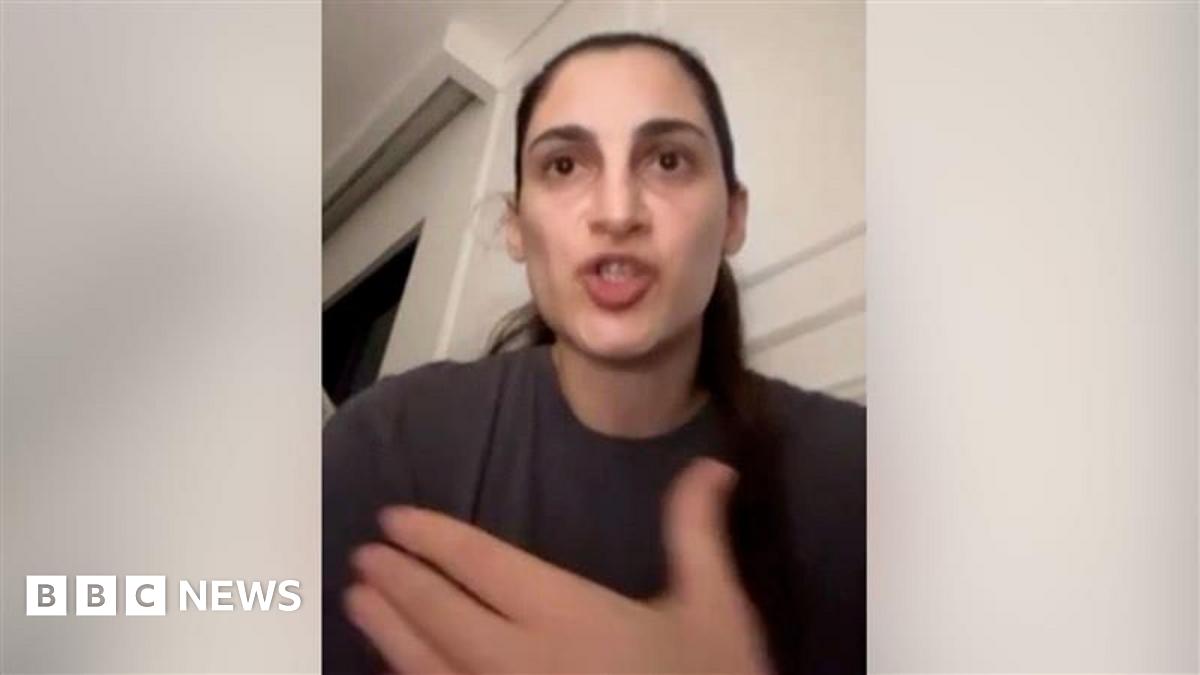
The most recent gives a very different version of what happened on 8 November, accusing Ms Javadli of forcibly placing the children into her car with the help of her driver and then kidnapping them. It also accuses Ms Javadli of posting videos on social media in which “she insulted and slandered” her former husband as well as defaming the state and violating state laws.
Previously, lawyers acting for Sheikh Saeed had claimed in court that Ms Javadli was an unfit mother, who had failed to send her daughters to school, was living in a place unsuitable for the children when she was in a hotel, and that she had put the health of the youngest girl at risk.
Ms Javadli rejected the accusations and her Emirati legal team submitted evidence to the contrary in court.
David Haigh says that there’ve been other similar cases involving former wives of members of Dubai’s royal family or other female members of the family. He himself has been involved in campaigning for several of the women. None of these cases involve Sheikh Saaed.
Princess Haya – the ex-wife of Sheikh Mohammed bin Rashid Al Maktoum – fled the UAE in 2019, saying that she feared for her life. Three years later, the princess won a custody battle that played out in the highest court in the UK, which gave her sole custody of their two children.
The most sensational saga was that of one of the daughters of Dubai’s ruler, Princess Latifa, who mounted a bid for freedom in 2018 from what at the time she claimed was her family’s coercive control.
The boat on which she was making her escape was intercepted in the Indian Ocean and she was forcibly returned to Dubai. She then claimed that she was being held captive in secret videos. She has since re-emerged to a limited extent in public, saying she that she was well and living as she wished.
Ms Javadli and David Haigh say that Dubai portrays itself as promoting women’s rights and encouraging women – whether from the UAE or from outside – to lead fulfilling lives, both professionally and personally. For many, this is no doubt the case.
But they claim that Ms Javadli’s case shows that beneath the glittering surface of Dubai, for some women the situation can be more complicated and more uncomfortable.