
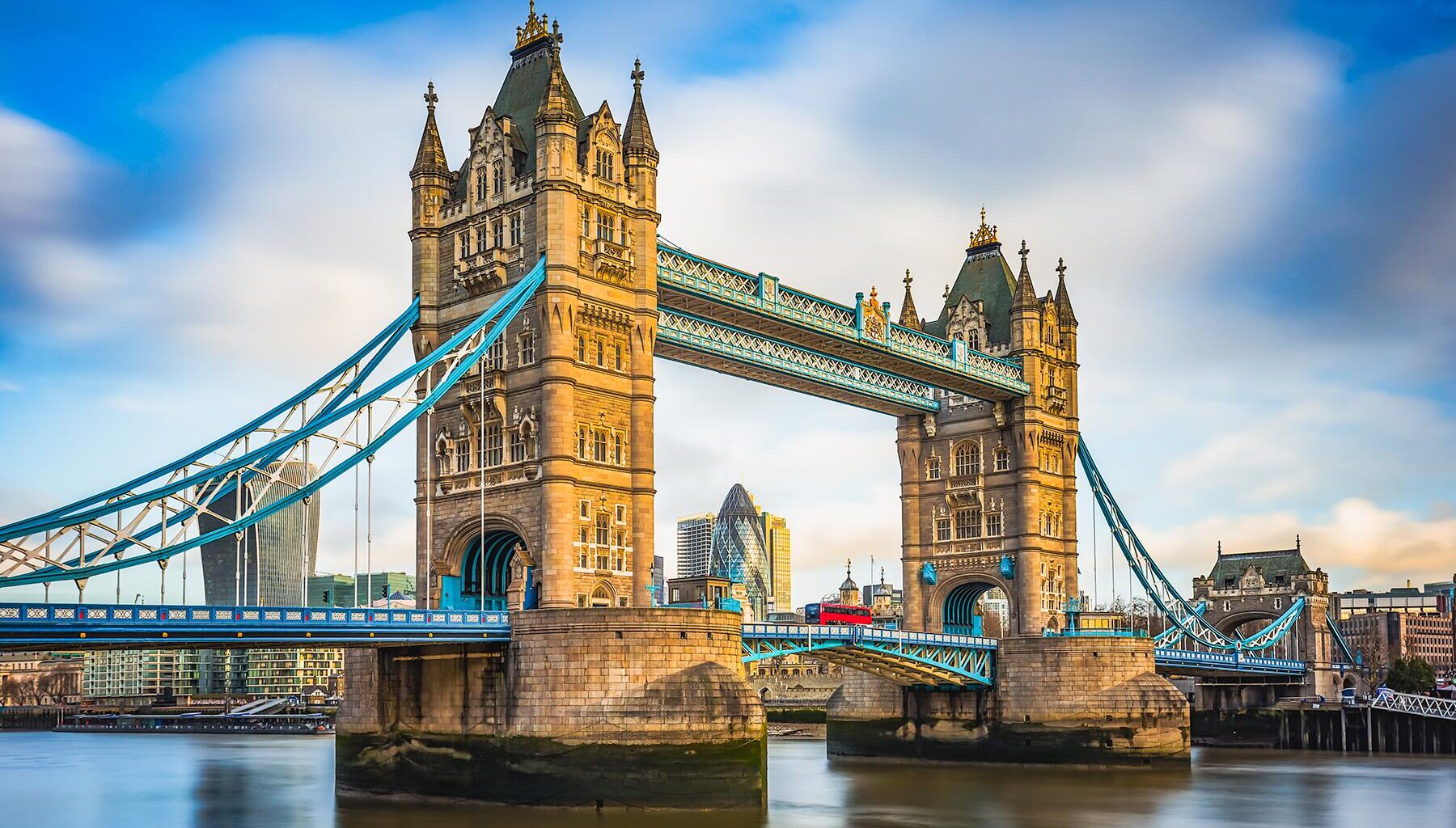
It will affect millions of travelers.
Travelers, a trip to London is soon going to cost extra. The English capital is planning a tourist tax on overnight stays at hotels and Airbnbs. It is not yet known how much the tax will be, and it may be months before it is announced.
The change is part of the English Devolution and Community Empowerment Bill, which is progressing in the British Parliament. Chancellor Rachel Reeves is expected to give devolution powers to local governments to “deliver growth.” London Mayor Sadiq Khan has been asking for such powers, which would allow local authorities to charge tourist taxes.
London, which recorded 89 million overnight stays in 2024, could raise millions through the fees. Think tank Centre for Cities said London would benefit from a flat-fee or percentage system. A levy could also support the economy and help manage infrastructure without deterring tourists if it is comparable to other cities.
Andrew Carter, chief executive of Centre for Cities, told the BBC, “A tourist levy would benefit the capital’s tourist economy, provided the revenues go to local government–ideally split between City Hall and the boroughs–and are not ring-fenced by central government for specific purposes.”
While the boroughs have supported the move, the hospitality industry is less enthusiastic. Kate Nicholls, chair of U.K. Hospitality, said it will affect British customers who are already paying high VAT. “Customers can vote with their feet, if we tax them out of coming to London, then we will tax the London economy out of jobs, growth and investment,” she noted.
Continue Reading Article After Our Video
Recommended Fodor’s Video
Taxes Increasing Everywhere
Manchester was the first U.K. city to impose a tourist levy in 2023. The charge requires visitors to pay £1 per room, per night. Earlier this year, Liverpool announced a £2 nightly levy to “help turbo charge Liverpool’s tourism and visitor economy, helping the city attract bigger events [that] bring people to the city.” It is expected to generate £9.2 million ($12.33 million) over the next two years.
Edinburgh was the first Scottish city to vote on a 5% levy, which will be implemented next summer. Glasgow has also approved a 5% levy on overnight stays, but it will not take effect until January 2027.
The U.K. is only now catching up to other European destinations that have had tourist taxes for years. Amsterdam has the highest in Europe at 12.5%. Several Spanish destinations also charge visitors due to concerns over overtourism, with some imposing fees of up to €15 per person per day. Venice is testing its day-tripper charge, with peak summer visits costing up to €10 for the day.
Japan, which is also grappling with rising tourist numbers, is taking additional measures to support destinations. Kyoto has introduced a progressive hotel tax, requiring guests at luxury hotels to pay the most next year. Closer to home, Hawaii has increased its lodging tax on accommodations from 10.25% to 11%, effective January 2026.
Related: Hawaii Vacations Will Soon Cost More With New Lodging Taxes