
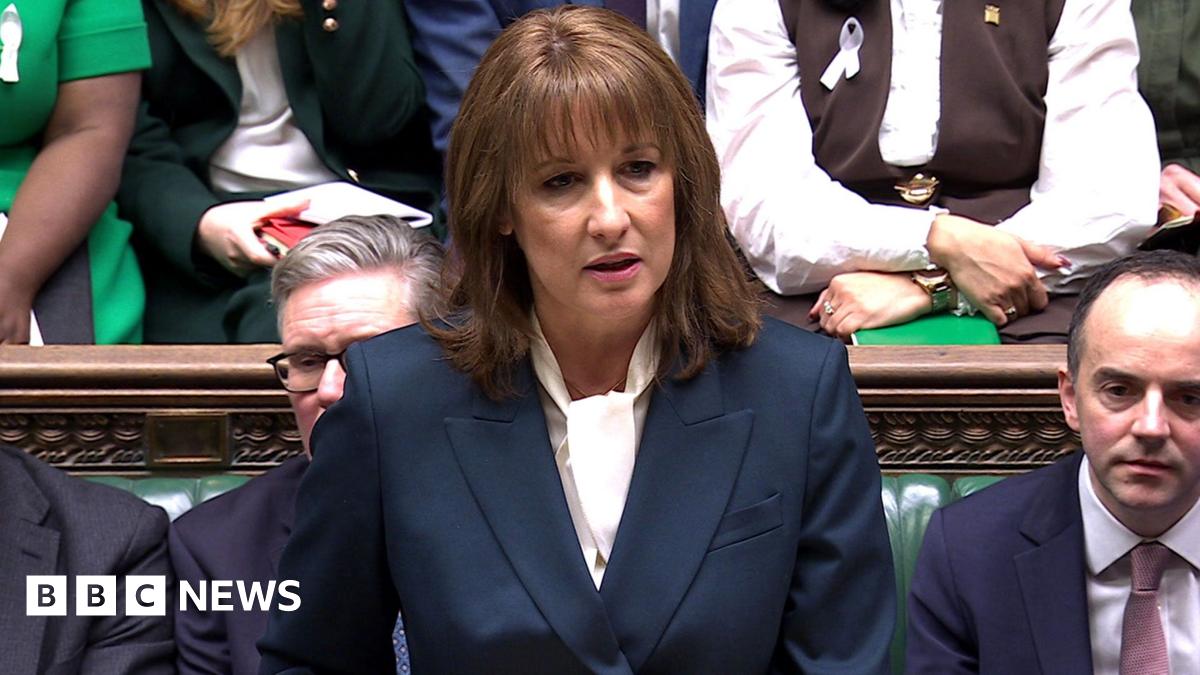
 Immediate danger averted for Reeves – but is this Budget a sticking plaster?published at 14:09 GMT
14:09 GMT
 Dharshini David
Deputy economics editor
The chancellor has compensated for a worse assessment for the economy, policy U-turns, and new measures, with tax rises worth £26bn and some spending tweaks.
This ensures she meets her fiscal rules in 2030 with an increased safety margin. Immediate danger averted.
But is that price tag politically viable, financially credible – and economically realistic?
The measures taken include taking more out of pay packets in the run-up to – and beyond – the next election, squeezing the growth of incomes once inflation and taxes are taken account of.
And also, there will be slower growth in cash earmarked for public services. U-turns, or at least revisions, may well be politically tempting.
That of course will not be welcome by the financial markets, which the chancellor is keen to reassure – but which remain nervy. The UK retains one of the higher debt levels (relative to income) among wealthy incomes, and our welfare bill continues to rise.
So while the chancellor may have soothed some nerves about the state of the public finances today, it may be a short-term sticking plaster – which may well come unstuck over time, and require another look.