
A Ceasefire on Shaky Ground
The 2.3 million residents of Gaza faced a critical moment for recovery and rebuilding after months of nonstop fighting between Israel and Hamas until a ceasefire was established. The situation in Gaza remains critical because Israel maintains its blockade of humanitarian aid and maintains its military presence throughout northern Gaza which blocks any chance for peace.
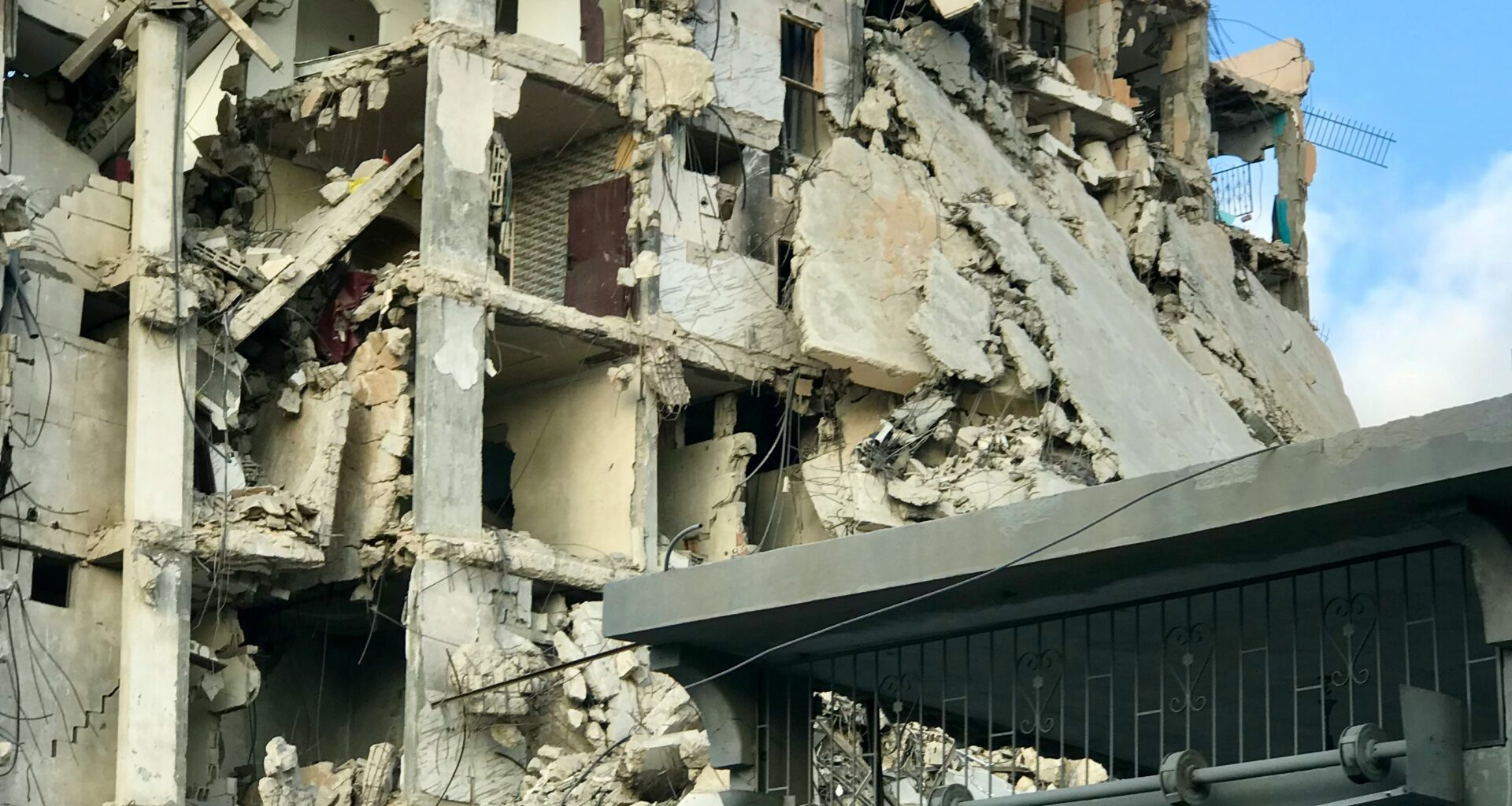
Kamal al-Yaziji aged 50 from Gaza City stands among the remains of his three-story house which he now must sort through. The war has left al-Nafaq neighborhood with destroyed buildings and scattered wreckage and destroyed lives. The survival of each day becomes an ongoing battle for me according to al-Yaziji who stands in the space where his kitchen used to be. The ceasefire has not brought any improvement to his situation because he and thousands of others must face empty spaces that used to be their homes.
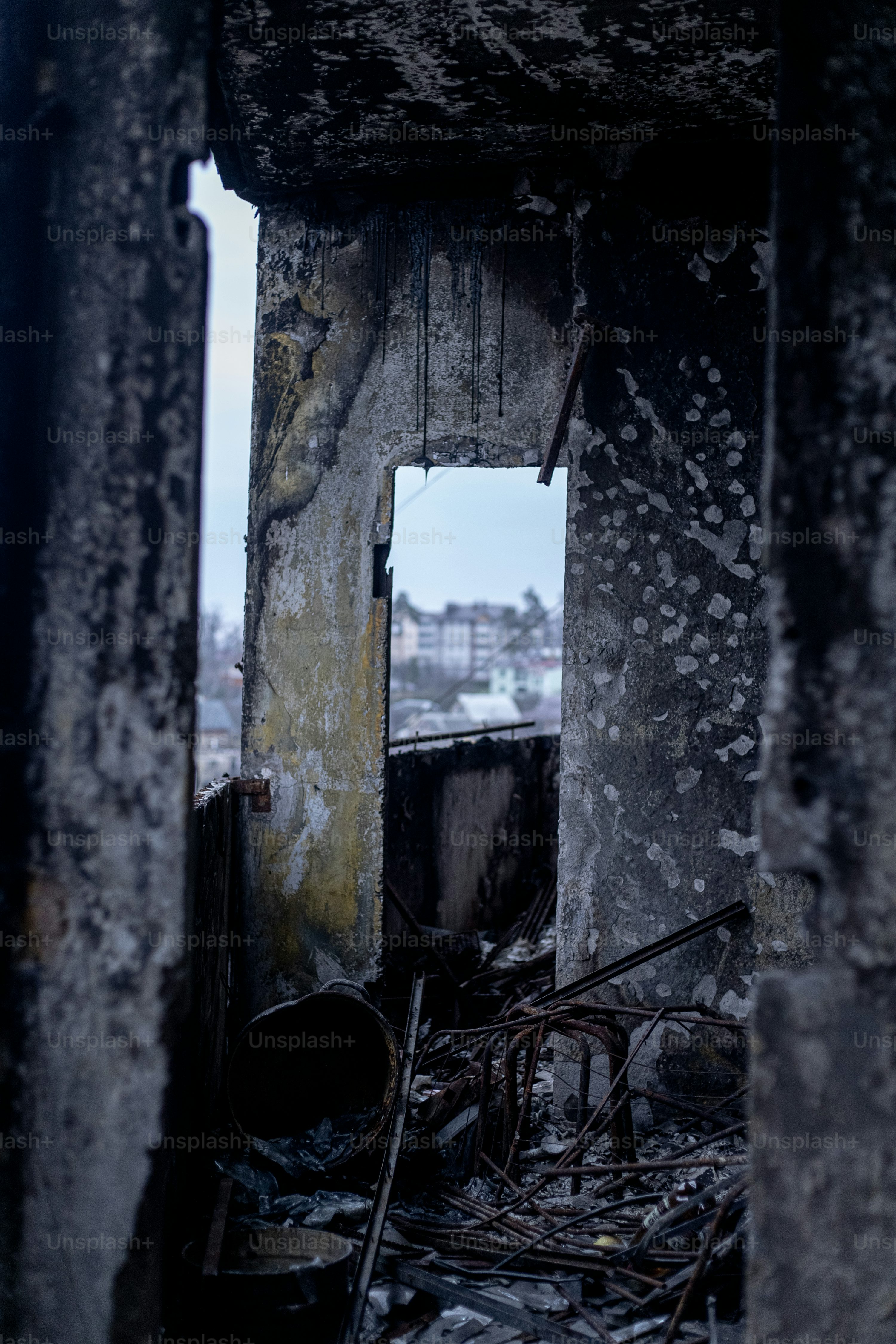
Image Credit: Andrew Petrischev from Unsplash
Humanitarian Aid Blocked
The United Nations reports that Israel maintains its blockade of Gaza entry points which prevents enough humanitarian supplies from entering the territory. The UN official stated that Gaza needs additional supply trucks at multiple entry points because the current aid delivery fails to meet the ceasefire agreement requirements. The Rafah crossing functions as Gaza’s primary supply entry point but remains mostly shut which creates severe shortages of food and water and medical supplies.
The restricted access to the area has developed into a full-scale humanitarian emergency. The medical facilities in Gaza continue to face operational challenges because of power outages and depleted medical resources according to Doctors Without Borders. The shelters in Gaza experience overcrowding which leads to disease outbreaks while children suffer from malnutrition. The ceasefire agreement failed to bring relief to ordinary Palestinians even though it stopped major.
Palestinian Factions Call for Unity combat operations
Multiple Palestinian factions including Hamas gathered in Cairo to establish a plan for Gazza’s post-ceasefire management and future governance structure. The factions established a temporary Palestinian committee to manage Gaza through independent technocrats who reside in the Strip. The factions support the removal of the blockade while working to establish stability and start reconstruction efforts under international supervision.
The current situation demands Palestinians to unite as a single national force according to the joint statement which aims to defend the national project and achieve unity between Gaza and the West Bank and Jerusalem. The Palestinian people see this unusual display of unity between factions as their best chance to shift Palestinian governance focus from political disputes to serving the needs of their citizens.
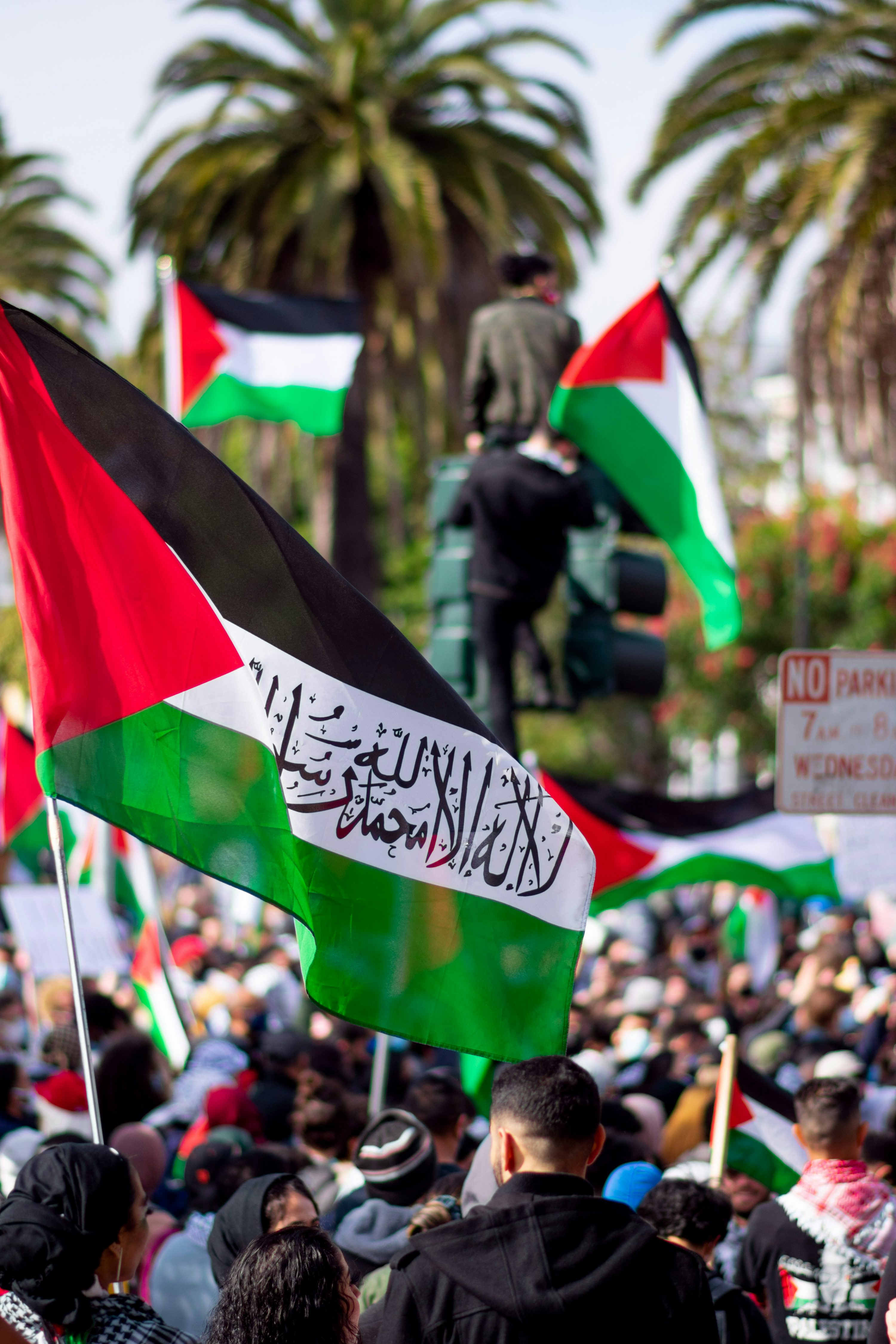
Image Credit: Patrick Perkins from Unsplash
Tensions in the West Bank
The occupied West Bank experienced new outbreaks of violence while Gaza residents tried to find relief from their situation. Israeli forces arrested a groom together with his father when they attempted to reach their wedding ceremony in Rantis which lies west of Ramallah. The vehicle stopped for inspection before security forces took the passengers into custody while confiscating the vehicle keys without providing any explanation. The ongoing arrests demonstrate how Palestinians must endure daily security threats regardless of the current truce agreement.
The current state of peace remains extremely fragile because of these incidents. Experts believe that the conflict will persist unless Israel and Palestine resolve their core issues which include military control and forced population displacement and economic blockades. The people of Gaza and the West Bank face ongoing uncertainty which makes peace an unattainable goal.

Image Credit: Mhrezaa from Unsplash
U.S. and International Response
The United States selected Steven Fagin to serve as ambassador to Yemen for leading a new coordination center which will guarantee humanitarian access to Gaza. The center, backed by the U.S. military under United States Central Command, is designed to support implementation of President Trump’s 20-Point Peace Plan for Gaza.
The international community shows increasing discontent with the current situation. Humanitarian organizations predict that Gaza will experience escalating instability because of ongoing supply restrictions. The UNRWA head Philippe Lazzarini declared that aid delivery without ceasefire agreements holds no value. People cannot achieve lasting peace because they lack access to basic necessities such as food and water and housing construction materials.

Image Credit: Getty Images from Unsplash
The actual situation on the ground remains dangerous despite official peace agreements and public statements of peace. The Israeli military presence along with unexploded bombs and extensive damage prevents numerous Palestinians from returning to their homes. The streets show extensive damage from explosions while water sources remain contaminated and essential public services have failed. The only thing al-Yaziji and other residents can focus on now is staying alive.
The ceasefire has brought an end to bombing attacks yet it has not brought any relief to the suffering population. The people of Gaza will keep facing the consequences of political decisions until the blockade ends and unrestricted aid reaches their region. The peace agreement which was supposed to bring optimism now faces a critical point because of ongoing political control.
A Gaza resident expressed his situation by saying, “We survived, but this isn’t life”.
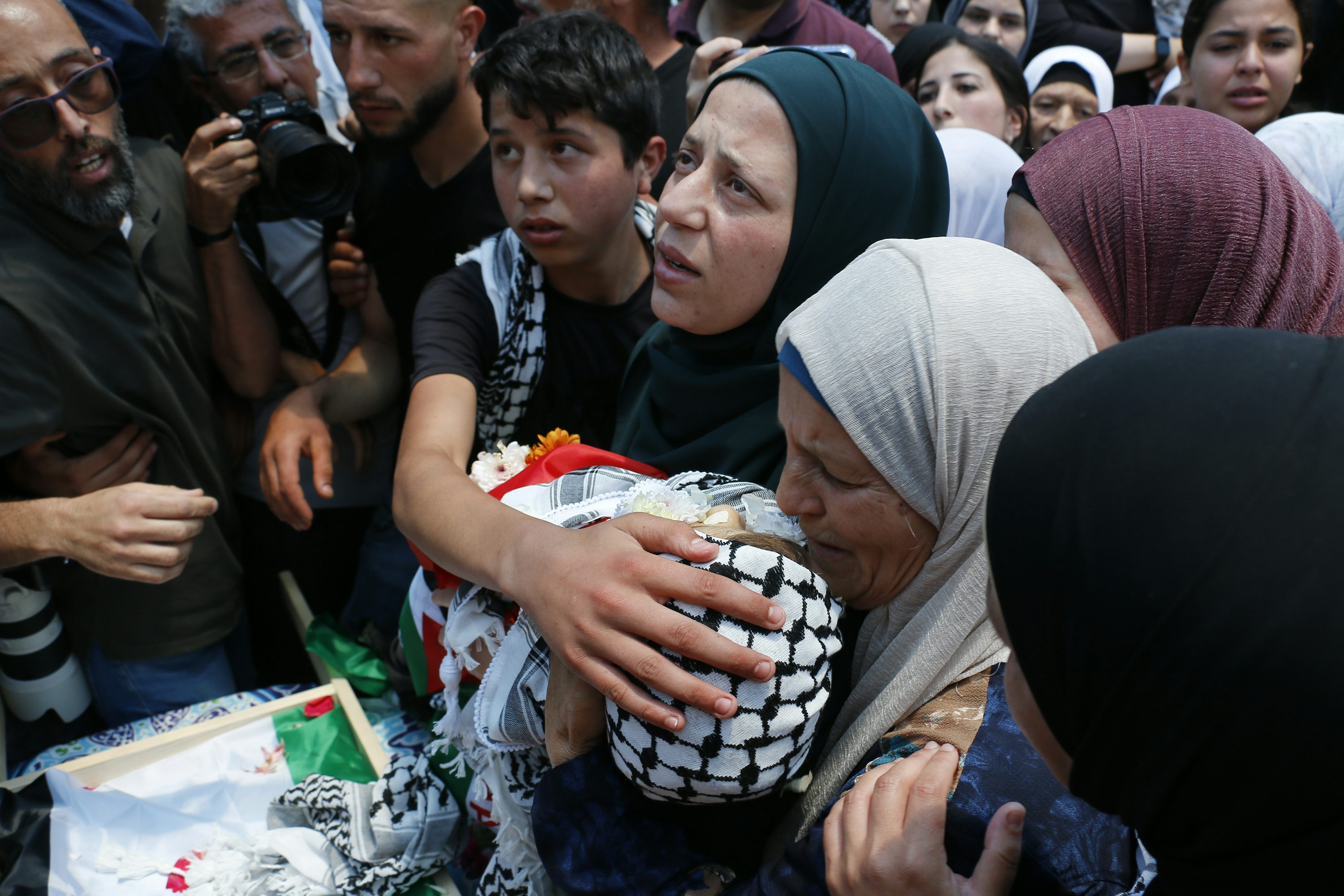
Image Credit: Diana Khwaelid from Unsplash