
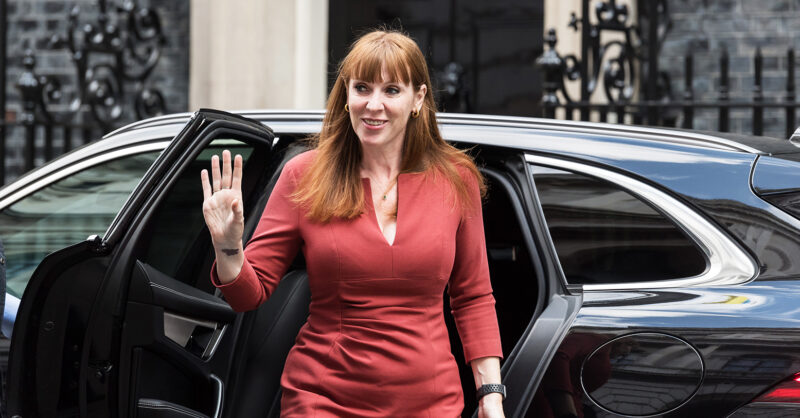
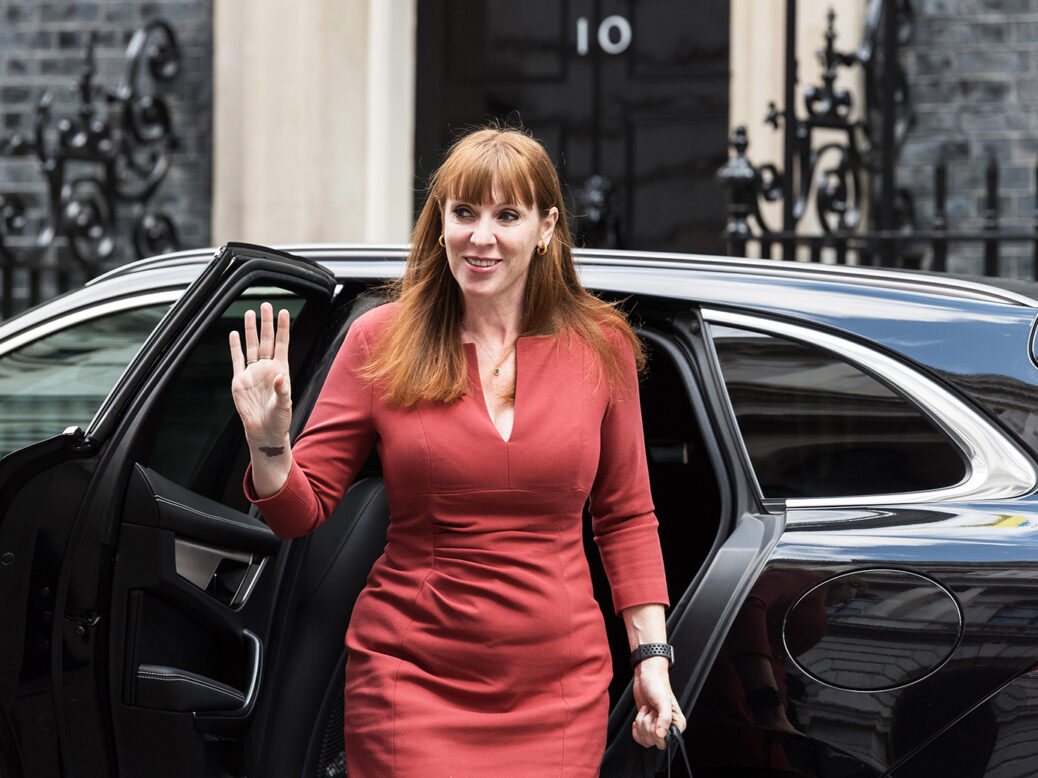
Photo by Wiktor Szymanowicz/Anadolu via Getty Images
“Angela would not have stood for this,” was the remark of one Labour MP as it emerged that the government has watered down a key aspect of its Employment Rights Bill. Rayner, a proud daughter of the trade union movement, championed the flagship workers’ rights package as Labour deputy leader and deputy prime minister. Now, she’s on the backbenches, and concern is building among her colleagues at their government’s U-turn on a key manifesto pledge. Will it materialise into a substantial rebellion? What Rayner does next will have a big part to play in that.
First, the U-turn. The manifesto promise of protection from unfair dismissal “from day one” has now become protection after six months. It is a compromise that the government, business and the trade unions involved say was necessary to ensure the bill gets through the Lords.
“The important thing is we’ve unblocked the process so it should all be in law by Christmas, ready to introduce day-one sick pay rights from April,” one trade unionist involved in the negotiations said. The unions, with the notable exception of Unite, are broadly happy with where the package has landed.
“We want a deal and the bill through above all else,” one Labour MP agreed, describing their mood as “not delighted” with the change on unfair dismissal but happy to bank other wins and move forward.
Colleagues feel even more strongly, however. “They’ve waited for Angela to fall and seized the opportunity to move in the direction they’ve always wanted to move in,” one Labour MP said. “It’s devastating.” They suspect Peter Kyle, the business secretary, and others on the party’s right of using the House of Lords as a pretext to make a concession they wanted to make anyway. It didn’t help that the U-turn was first leaked to the Sun.
Kyle’s allies reject this interpretation as nonsense. The Business Secretary’s priority is to meet the current timetable for introducing new day one rights on paternity and sick pay in April. Talk of using the Parliament Act to circumvent the House of Lords has been dismissed as both unrealistic and time-consuming (under the Act’s terms, it can take over a year for a bill rejected by the Lords to finally receive Royal Assent).

Treat yourself or a friend this Black Friday to a New Statesman digital subscription and save 75%
The Andy Burnham-backed Mainstream group said there had been “bad faith interference” in the legislation from “those who would see Labour ditch the whole project”, leaving unions “high and dry in the wrangling of the last few weeks.”
While many Labour MPs have gone public with their concerns, Rayner has maintained a public silence. But behind the scenes she is angry too that this key manifesto pledge has been blocked. She blames the Conservatives and Liberal Democrats in the House of Lords who have blocked it.
If Rayner gets her way, however, there will be no major rebellion over this U-turn. One Labour MP reasoned that the best approach is to support the six-month protection – even though it represents a major U-turn on a manifesto pledge – so that it doesn’t fall in the Lords and risk even more serious delay.
The bigger question is what happens next. Labour MPs now fear the rest of the measures in the flagship workers’ rights package are under threat, in particular on ending so-called ‘zero-hours’ contracts. Their focus is on keeping the rest of the package intact.
Rayner is set to meet with her allies on Monday to discuss a response, and we could well hear from her soon. We can expect her to work with both MPs and ministers over the days ahead to review the amendments once they come out.
The politician who once steered the ship as deputy prime minister is not about to give up the fight now she’s on the backbenches.
[Further reading: Blue Labour is fighting for its future]
Content from our partners