
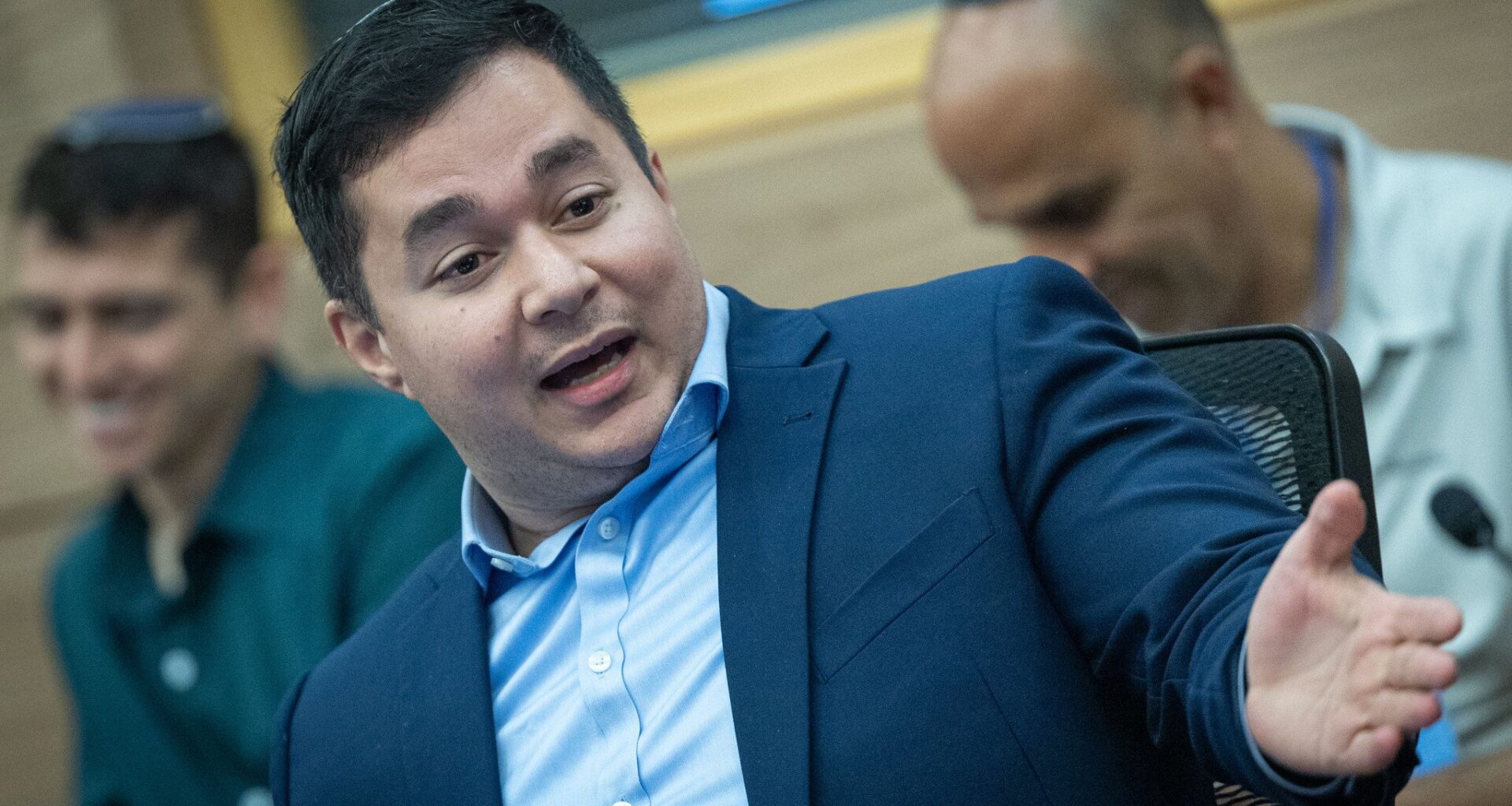
Likud MK Dan Illouz demanded Sunday that Knesset Foreign Affairs and Defense Committee Chairman Boaz Bismuth make multiple changes to his proposed bill regulating ultra-Orthodox draft exemptions, warning that he is unable to support the legislation as currently written.
“Unfortunately, the proposed law not only fails to create change but may even undermine the progress already achieved on the ground,” Illouz wrote in a letter to Bismuth, also of the ruling Likud party, arguing that “in such a situation, it is better to leave the current situation than to pass a law that will lead to long years of non-conscription.”
“I cannot support a law that does not really bring positive change on an issue of an existential security need,” wrote Illouz, who is one of the more outspoken critics of the legislation within the coalition.
Bismuth released the text of the long-awaited bill on Thursday, prompting criticism from within coalition ranks, opposition figures, and legal advisers, including FADC legal adviser Miri Frenkel Shor.
The legislation, as currently laid out, would continue to grant military service exemptions to full-time yeshiva students while ostensibly increasing conscription among graduates of ultra-Orthodox educational institutions.
Get The Times of Israel’s Daily Edition
by email and never miss our top stories
By signing up, you agree to the terms
However, the bill would remove various provisions from a previous draft that were intended to ensure that those registered for yeshiva study are actually studying, and would cancel all sanctions on draft evaders when they turn 26.
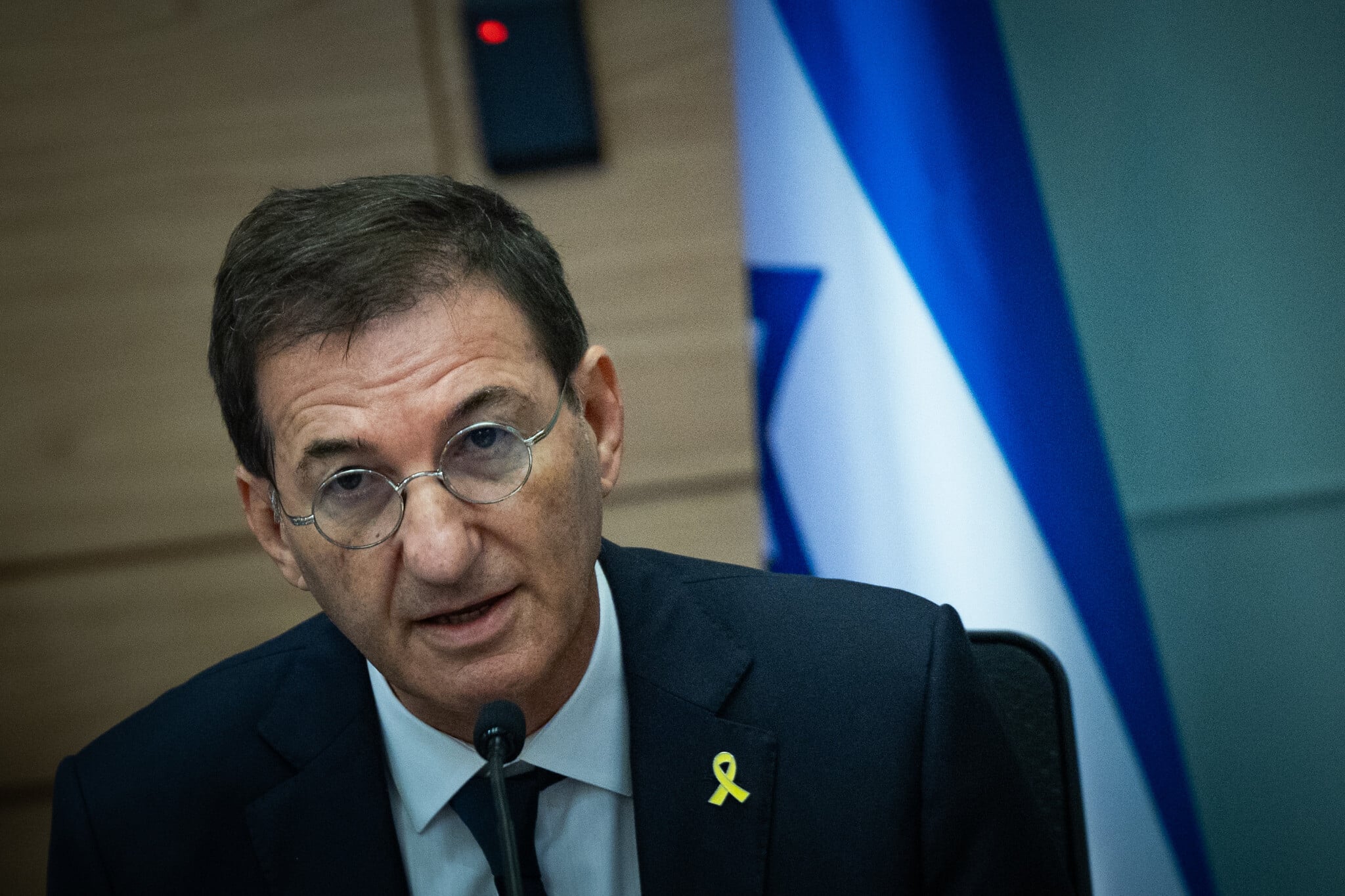
MK Boaz Bismuth, chair of the Foreign Affairs and Defense Committee, leads a committee meeting at the Knesset, September 17, 2025. (Yonatan Sindel/Flash90)
Calling Bismuth’s draft bill “a collection of toothless threats” devoid of effective sanctions against draft evaders, Illouz argued that it harms the socioeconomic integration of the ultra-Orthodox — also called Haredi — public while not creating any real incentive to enlist.
Illouz demanded the retention and strengthening of current sanctions, rather than the imposition of “weak” sanctions in their stead, and called for narrowing the definition of “Haredi” so as to prevent the “artificial inflation” of enlistment numbers.
He also argued that the law should set a minimum quota for how many Haredi recruits enter combat tracks and called for the bill to recognize Haredi “hesder” yeshivas, which combine Torah study with a shortened military service.
“If these amendments are not made, the current situation is better than passing the current draft. The reality on the ground is already showing an increase in recruitment since real sanctions were imposed,” Illouz wrote to Bismuth. “We must not enact a law that will set us back.”
The Foreign Affairs and Defense Committee is expected to begin discussing the bill on Monday, after weeks of delays.
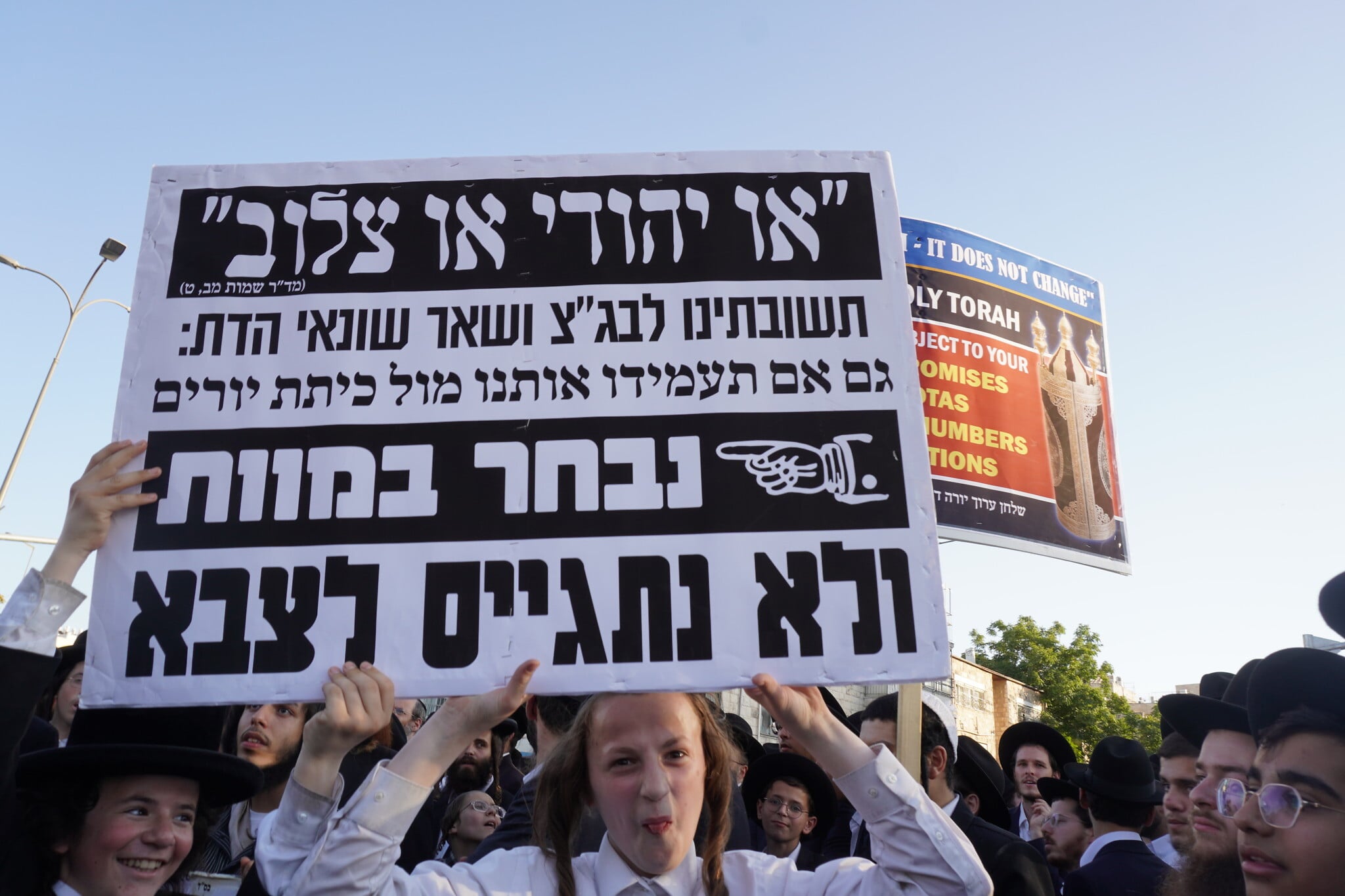
A Haredi boy holds a sign that reads: ‘Our answer to the High Court and the rest of the haters of religion: Even if you stand us in front of a firing squad, we will choose death, and not enlist in the army,’ at a protest against the draft in Jerusalem on August 7, 2025. (Charlie Summers/Times of Israel)
Many ultra-Orthodox young men are widely believed to register for yeshivas but not actually study, yet those yeshivas continue to be funded for their ostensible presence, and the young men evade military service.
Speaking with The Times of Israel last week, former Foreign Affairs and Defense Committee chairman Yuli Edelstein, another critic, warned that the coalition is set to exert significant pressure on the few lawmakers from its own ranks who are “strongly opposed” to the controversial legislation.
Asked if he had been subject to such treatment, Illouz told The Times of Israel, “I haven’t been pressured.”
For the past year, Haredi leadership has pushed to pass a law largely keeping its constituency out of the Israel Defense Forces, after the High Court ruled that decades-long blanket exemptions from army duty traditionally afforded to full-time Haredi yeshiva students were illegal.
Some 80,000 ultra-Orthodox men aged between 18 and 24 are currently believed to be eligible for military service, but have not enlisted. The IDF has said it urgently needs 12,000 recruits due to the strain on standing and reserve forces caused by the war against Hamas in Gaza and other military challenges.
Watch DocuNation Season 3: The Heart of Israel
when you join the ToI Community
In this season of DocuNation, you can stream five outstanding Israeli documentaries with English subtitles and then join a live online discussion with the filmmakers. The selected films show Israel beyond the conflict: a place of storytellers and musicians, of dreamers, makers, and communities rooted in meaning and trust.

When you watch DocuNation, you’re also supporting Israeli creators at a time when it’s increasingly difficult for them to share their work globally.
To learn more about DocuNation: The Heart of Israel, click here.
Support ToI and get DocuNation
Support ToI and get DocuNation
Already a member? Sign in to stop seeing this
You appreciate our journalism

You clearly find our careful reporting valuable, in a time when facts are often distorted and news coverage often lacks context.
Your support is essential to continue our work. We want to continue delivering the professional journalism you value, even as the demands on our newsroom have grown dramatically since October 7.
So today, please consider joining our reader support group, The Times of Israel Community. For as little as $6 a month you’ll become our partners while enjoying The Times of Israel AD-FREE, as well as accessing exclusive content available only to Times of Israel Community members.
Thank you,
David Horovitz, Founding Editor of The Times of Israel