
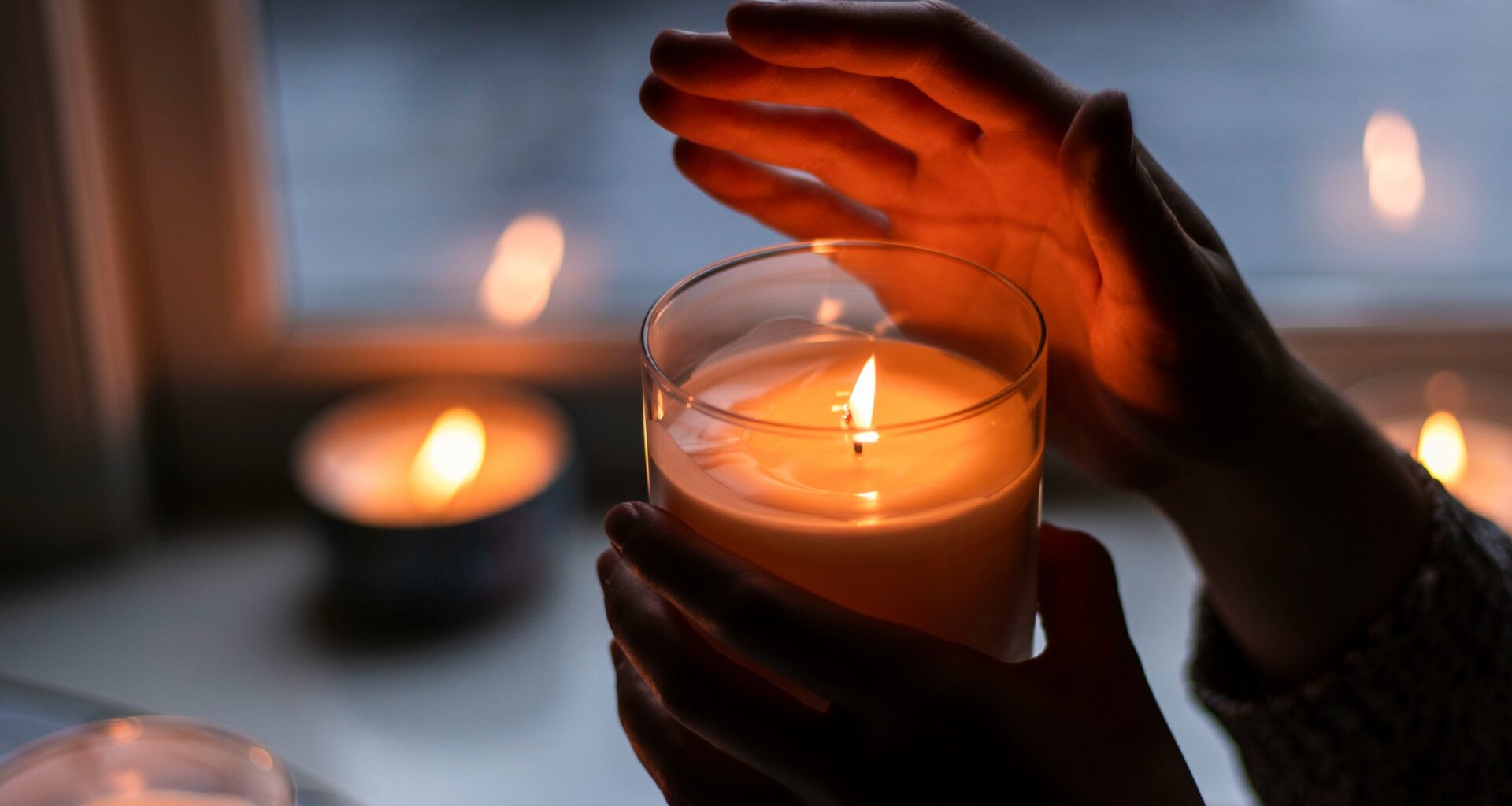
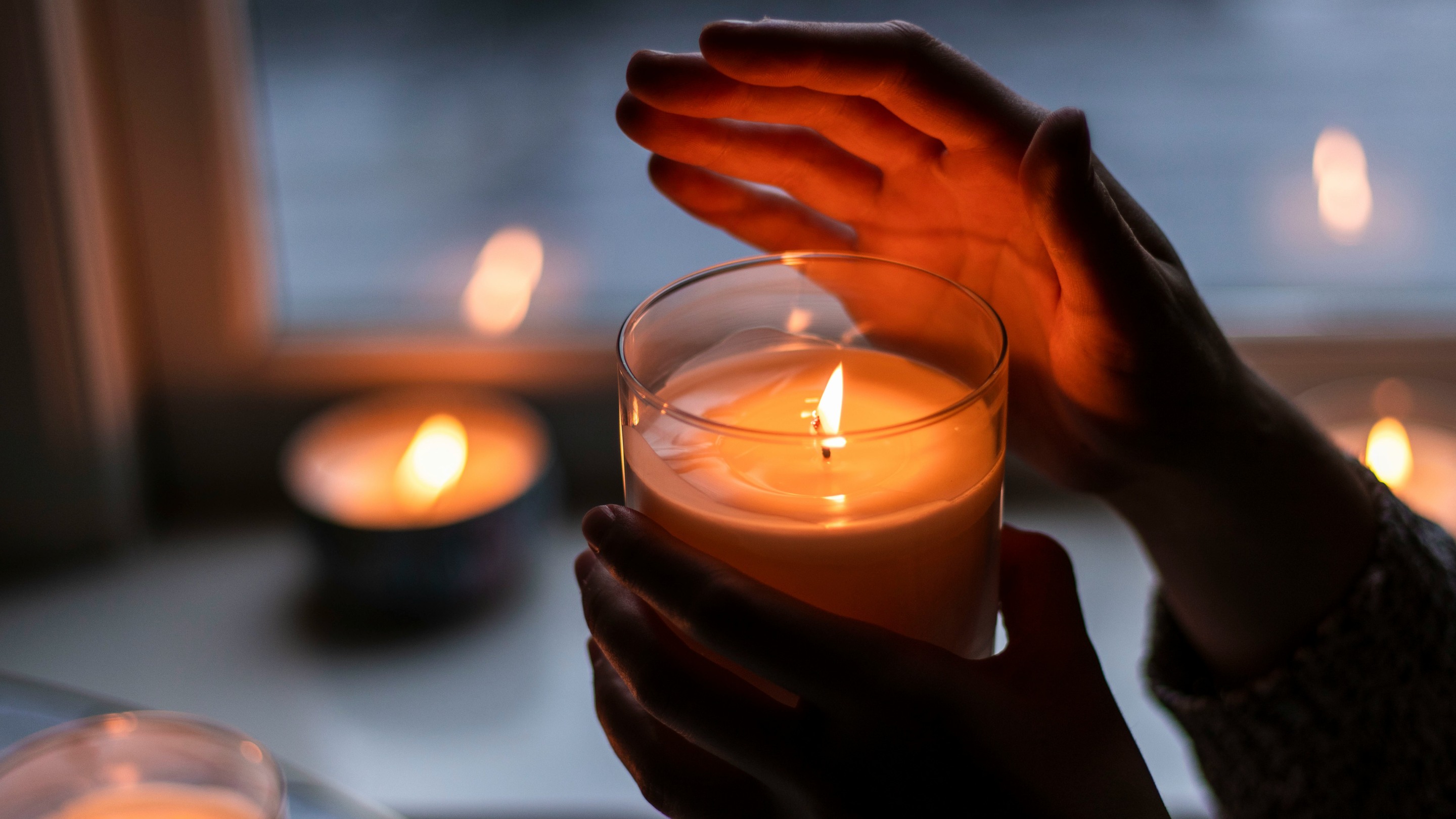
 Aviva claims data shows that fires resulting from candles peak in December[1] Average fire claim caused by candles reaches over £25,000 Festivities are partly to blame with example claims including wrapping paper, cards and Christmas trees catching alight from candles
Leading insurer, Aviva, is urging people to take care this festive season as claims data reveals a correlation between festivities and fires from candles.
The data – which looks at home insurance claims from 2021-2024 – reveals that candle-related fires peak in the month of December, with the average claim amounting to over £25,000.
Examples of candle-related claims during the festive season include:
An unattended candle on a fireplace during Christmas dinner causing a fire. A candle catching the branch of a Christmas tree – which caught alight in seconds due to the tree being very dry. A fire spreading in a home due to the foliage of an advent wreath catching alight. Several Christmas candles being left unattended and setting fire to items and decorations nearby. Multiple instances of wrapping paper catching alight, with one ruining a newly fitted carpet. Several Christmas-themed decorations involving candles, setting possessions alight. Christmas cards accidentally catching fire due to tealights being left in close proximity.
With the average candle-related fire claim being well over £25,000, it’s a strong reminder to enjoy the season safely, making sure you’re spreading festive cheer and not a potential fire.
The data shows that candles are responsible for 15% of all fire claims during the month of December, with chimneys and fireplaces accounting for 6%.
Hannah Davidson, Senior Underwriting Manager, Home and Lifestyle at Aviva, said: “As more of us spend time indoors in the winter months, it’s tempting to light candles and tealights to add to the cosiness of the longer evenings. However, our claims data shows several cases where wrapping paper, Christmas trees, and cards caught fire due to candles being placed too close. Before lighting a candle, take a moment to consider where it’s placed and how long it will be burning. Never leave candles unattended either – even if you’re only stepping away from the room briefly.
“Although candles can help create a cosy, festive atmosphere – if not used with care, they can quickly become a serious fire hazard. Fires can spread very quickly – especially when there are lots of decorations or flammable items nearby and in some cases, can cause extensive damage to the entire home. With the average candle-related fire claim being well over £25,000, it’s a strong reminder to enjoy the season safely, making sure you’re spreading festive cheer and not a potential fire.”
Aviva’s top tips for preventing fires include: Swap real candles for battery-powered LED lights or torches. This simple switch helps prevent accidental fires – especially important around potentially dry Christmas trees. If you do choose to use real candles: Never leave them burning unattended, especially inside your home. Never let candles burn all the way down and always follow manufacturer burn time guidelines. Place candles on sturdy, non-flammable surfaces, well away from decorations and soft furnishings such as curtains. Be sure to also pick a spot out of harm’s way, to prevent them from accidentally getting knocked over or touching anything that is flammable. This includes avoiding placing candles near windows and drafty areas, as air movement can blow flames towards flammable objects and can even knock lightweight items over altogether. Place candles – as well as matches and lighters – well out of the reach of children and pets, and keep a close eye on them to avoid any mishaps. Remind your household. Accidents happen and so it could be worth spending a few minutes speaking to – or reminding – your household about fire safety. Place trees carefully. Whether you choose a plastic or real Christmas tree, make sure it’s placed away from heat, flames or an exit. If you’ve chosen a real tree, make sure it is watered well to prevent it from drying out and becoming a greater fire risk. Check the lights. Regardless of whether your tree is real or fake, make sure your Christmas lights are in good working order and that they’re switched off when unattended. Remember to avoid overloading electrical sockets too. Check your smoke alarms. It’s important to regularly check that your smoke alarm is in working order, which can usually be done by pressing the test button until the alarm sounds. Have fire safety equipment ready. Investing in things like fire blankets or extinguishers can help reduce the impact or spread of a fire. If necessary, always contact the fire brigade. Keep an eye on fireplaces and maintain chimneys. Aviva claims data reveals multiple incidents where embers from fireplaces or structural issues with chimneys led to fires. It’s a timely reminder to monitor any open flames closely and ensure chimneys are properly swept – especially during the festive season.
-ends-
1. Aviva home claims data from 2021 – 2024. [↑]
Enquiries: