
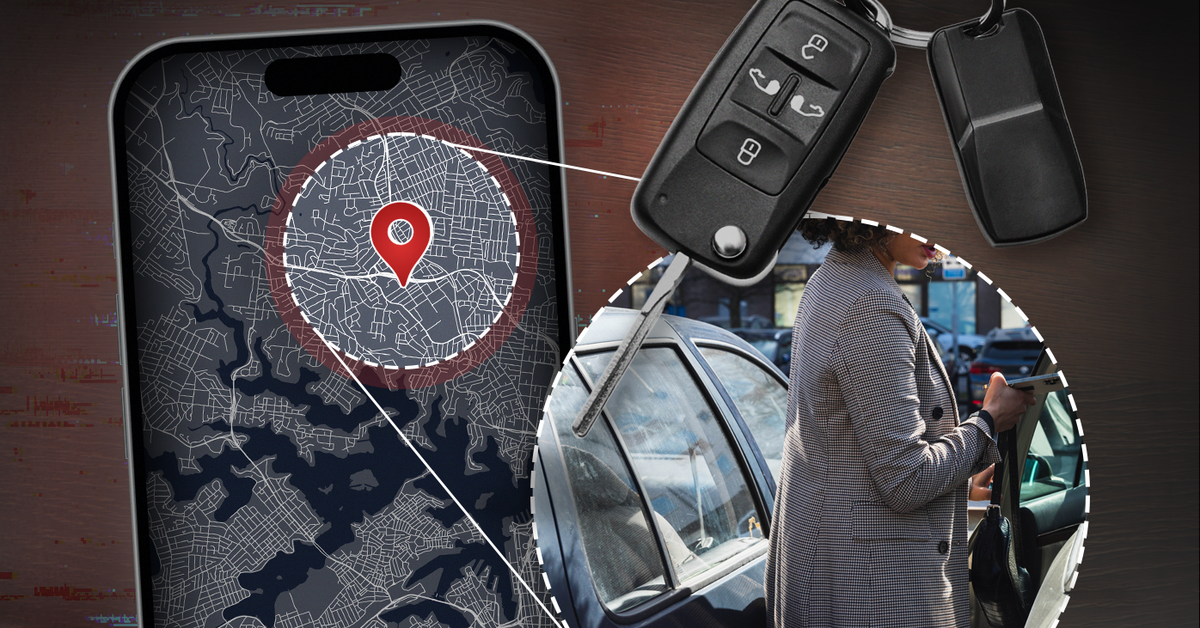
Domestic violence abusers are turning their victims’ cars against them and using the vehicles to carry out “insidious, damaging and dangerous” crimes.
eSafety Commissioner Julie Inman Grant put out a warning about the risks of smart cars – those with an internet connection – today, raising the alarm about how the popular technology is being exploited.
“They are essentially computers on wheels today, and we don’t want them to become weapons on wheels,” she said.
 Domestic violence perpetrators are turning their victims’ cars against them and using the vehicles to carry out abuse, including coercive control. (Nine)
The cars have been used by abusers to intimidate, track and harass in a variety of ways, including by locking victims in and out, and setting up geofenced kill switches so vehicles stop running once they leave a certain area.
“You can remotely control or lock or start the car, you can prevent an EV, for instance, from being charged,” Inman Grant said.
“These are the types of things we’re hearing from domestic frontline workers that are happening to Australian women today.
“The problem with smart cars and geofencing and kill switches is it’s a fairly sophisticated use of technology, and a woman might not know what is happening to her; she might think she’s running out of gas or running out of power.”
She also pointed to an example in California that led to new laws that force manufacturers to disable certain connectivity features within two days of receiving a complaint from a victim.
 Julie Inman Grant said a second “seatbelt moment” may be needed to address the use of smart cars by domestic abusers. (Alex Ellinghausen)
“This isn’t actually a new form of weaponisation,” she said.
“There was a case in San Francisco with Tesla X in 2016 where a man kept threatening a woman to bludgeon her with a metal baseball bat and she came into her car one day and that baseball bat was in the back.
“So she went to Tesla to try and figure out what was happening with the telematics and because his name was on the ownership document, they wouldn’t turn off the system.”
More than nine in every 10 cars sold in Australia will have built-in internet connectivity by early next decade.
It’s not just the convenience of smart cars that has been exploited by domestic violence perpetrators, though, with a wide span of devices ranging from smartwatches to phones, speakers and even app-enabled e-bikes having been used to abuse victims.
Inman Grant and federal Social Services Minister Tanya Plibersek said it was crucial that the companies behind the products acted to ensure they cannot be weaponised.
“When there’s family or domestic violence, or sexual violence, technology-facilitated abuse can be insidious and damaging and dangerous,” Plibersek said, adding that “it is very difficult to legislate as fast as these innovations are occurring”.
“It is very important that companies themselves build this consideration into the design of their products.”
However, the eSafety commissioner said governments will likely need to act to force manufacturers to prevent their products from being weaponised.
“Just like the initial seatbelt had to be voted on by parliaments all over the globe to be embedded, we may need to see a second seatbelt moment for car manufacturers now that these are becoming more like computers,” Inman Grant said.
Support is available from the National Sexual Assault, Domestic and Family Violence Counselling Service at 1800RESPECT (1800 737 732).