
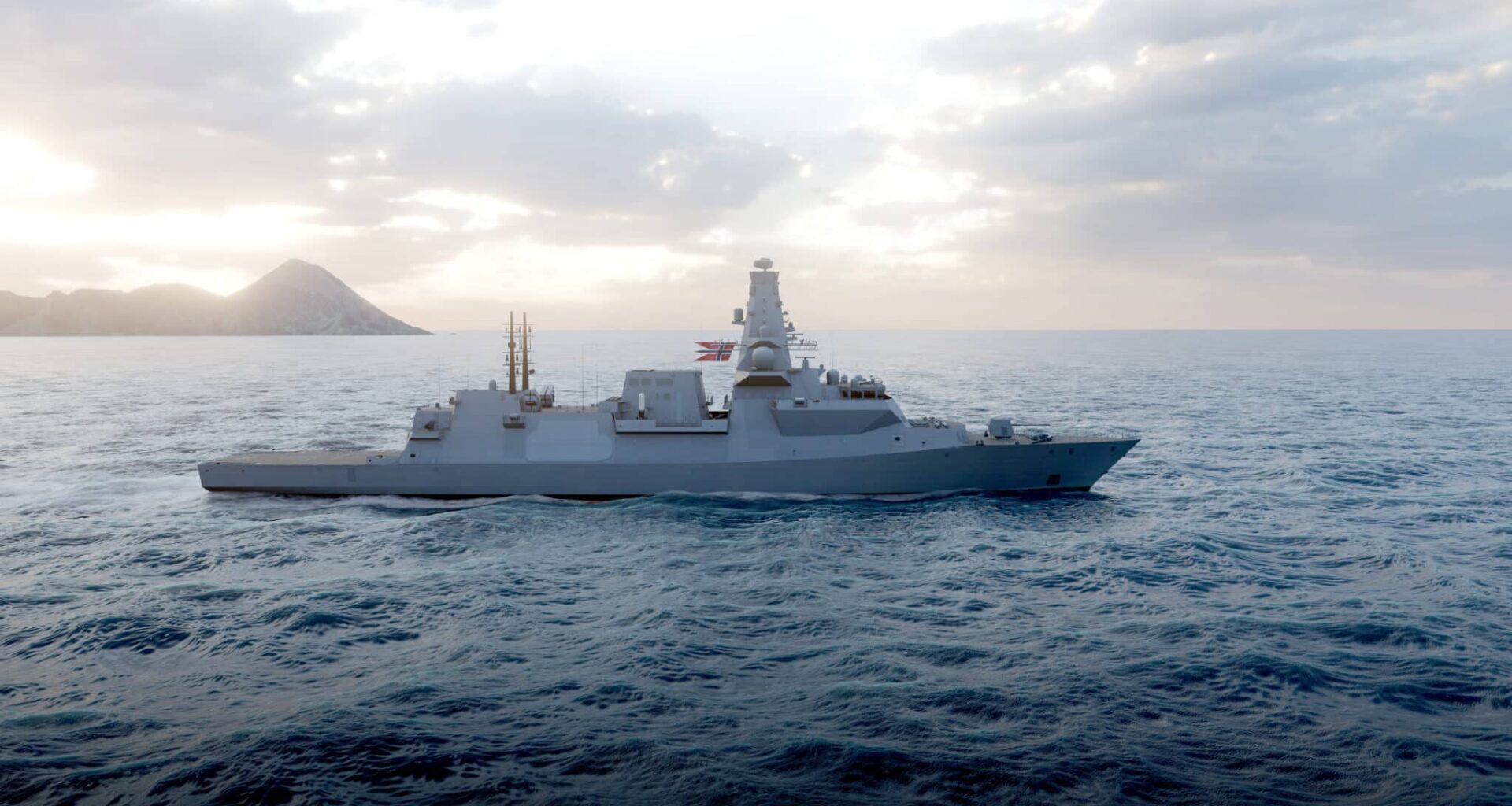
British and Norwegian prime ministers today inked the new “Lunna House Agreement”, a defence agreement that paves the way for increased cooperation between the UK Royal Navy and the Royal Norwegian Navy.
The new Lunna House Agreement will see the Royal Navy and Royal Norwegian Navy operate an interchangeable fleet of British-built Type-26 frigates. It follows a 30% increase in Russian vessels threatening UK waters in the past two years.
At the heart of the agreement is the new joint fleet of Type-26 anti-submarine warfare frigates – eight British and at least five Norwegian – backed by the biggest British warship deal in history. The £10 billion deal between the UK and Norway, signed in September, is a major boost to British shipbuilding and supports over 4,000 high-skilled British jobs.
Named after the Scottish headquarters of the Norwegian resistance during the Second World War – Lunna House in the Shetland Isles – the agreement builds on 75 years of UK-Norway cooperation – both founding NATO members.
It demonstrates the UK stepping up on European security and together with major agreements with Germany and France, shows how the Government is rebuilding close alliances essential for keeping Britain safe in an increasingly dangerous world.
“At this time of profound global instability, as more Russian ships are being detected in our waters, we must work with international partners to protect our national security. This historic agreement with Norway strengthens our ability to protect our borders and the critical infrastructure our nations depend on.”
“Through joint navy cooperation in the North Atlantic, we’re boosting security, supporting thousands of UK jobs, and showcasing Britain’s world-class shipbuilding on the global stage.“
British Prime Minister Keir Starmer
Defence Secretary John Healey and his Norwegian counterpart Tore O. Sandvik are expected to sign the agreement at 10 Downing Street today. Following the signing, they will visit the Maritime Capability Coalition in Portsmouth – a jointly led initiative focused on delivering vital training, equipment, and infrastructure to bolster Ukraine’s maritime operations and strengthen its ability to operate at sea.
The powerful and advanced Type 26 warships will patrol the strategically vital gap between Greenland, Iceland and the UK, monitoring Russian naval activity and defending critical infrastructure such as underwater cables and pipelines, which carry vital communications, electricity and gas.
Both navies will operate as one – sharing maintenance facilities, technology and equipment to create truly interchangeable forces able to deploy rapidly wherever needed.
“In this new era of threat and with increasing Russian activity in the North Atlantic, our strength comes from hard power and strong alliances. When our critical infrastructure and waters are threatened, we step up.”
“For over 75 years, the UK and Norway have stood shoulder-to-shoulder on NATO’s northern flank, defending Europe and keeping our people safe. This partnership takes us further, making our nations more secure at home and strong abroad.”
“Through this Lunna House Agreement, we will patrol the North Atlantic as one, train together in the Arctic, and develop the advanced equipment that will keep our citizens safe now and into the future. We are stepping up on European security and delivering on our NATO-first plan.”
UK Defence Secretary John Healey MP
The agreement will also see:
UK joining Norwegian programme to develop motherships for uncrewed mine hunting and undersea warfare systems.
Year-round training of Royal Marines in Norway, preparing them to fight in sub-zero conditions.
Royal Navy adopting advanced Norwegian naval strike missiles.
Deeper collaboration on Sting Ray torpedoes, helping to boost munitions stockpiles.
Joint wargaming between our Armed Forces.
UK and Norway leading NATO’s adoption of autonomous systems in the High North.
The Lunna House agreement will also see deeper industrial collaboration between the UK and Norway, supporting skilled jobs while enhancing warfighting readiness.
The new agreement confirms that the UK will join Norway’s programme to develop innovative offshore support vessels, which will act as motherships for uncrewed mine hunting and undersea warfare systems.