
The research by scientists at the Natural History Museum in London, the UK National Oceanography Centre and the University of Gothenburg was conducted at the request of deep sea mining company The Metals Company.
The scientists said their work was independent and that the company was able to view the results before publication but was not allowed to alter them.
The team compared biodiversity two years before and two months after the test mining that drove machines for 80km on the seafloor.
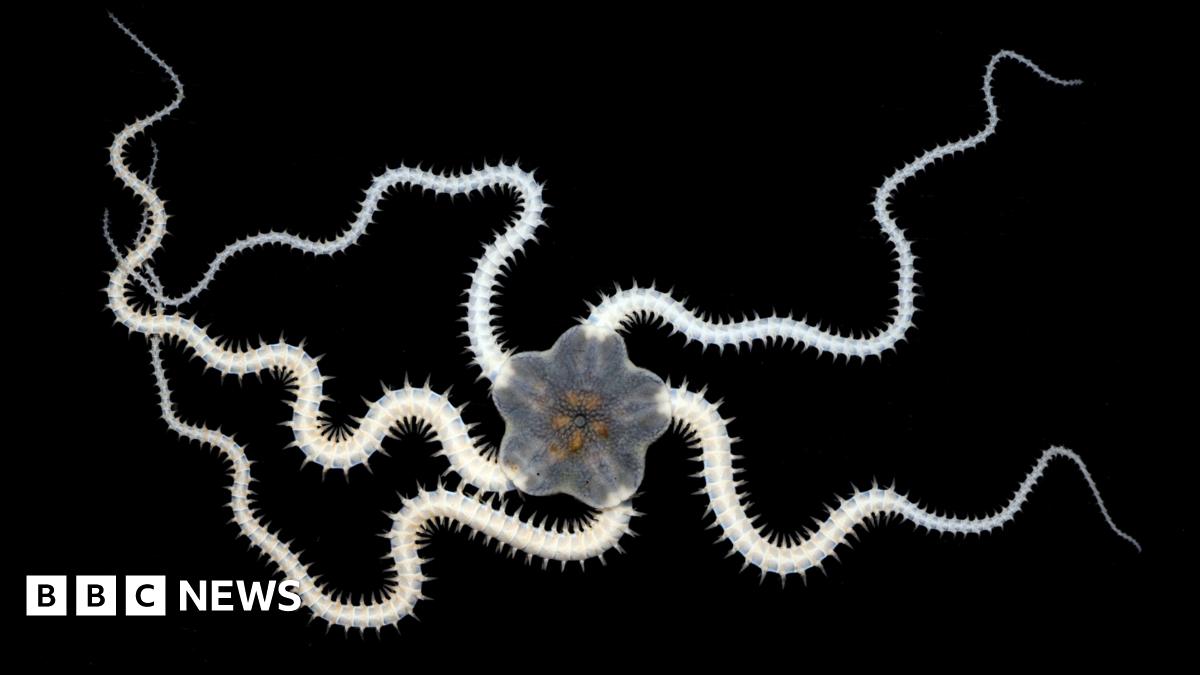
They looked specifically at animals 0.3mm – 2cm in size, such as worms, sea spiders, snails and clams.
In the tracks of the vehicle, the number of animals fell by 37% and the diversity of species by 32%.
“The machine removes about the top five centimetres of sediment. That’s where most of the animals live. So obviously, if you’re removing the sediment, you’re removing the animals in it too,” lead author Eva Stewart, PhD student at the Natural History Museum and the University of Southampton, told BBC News.