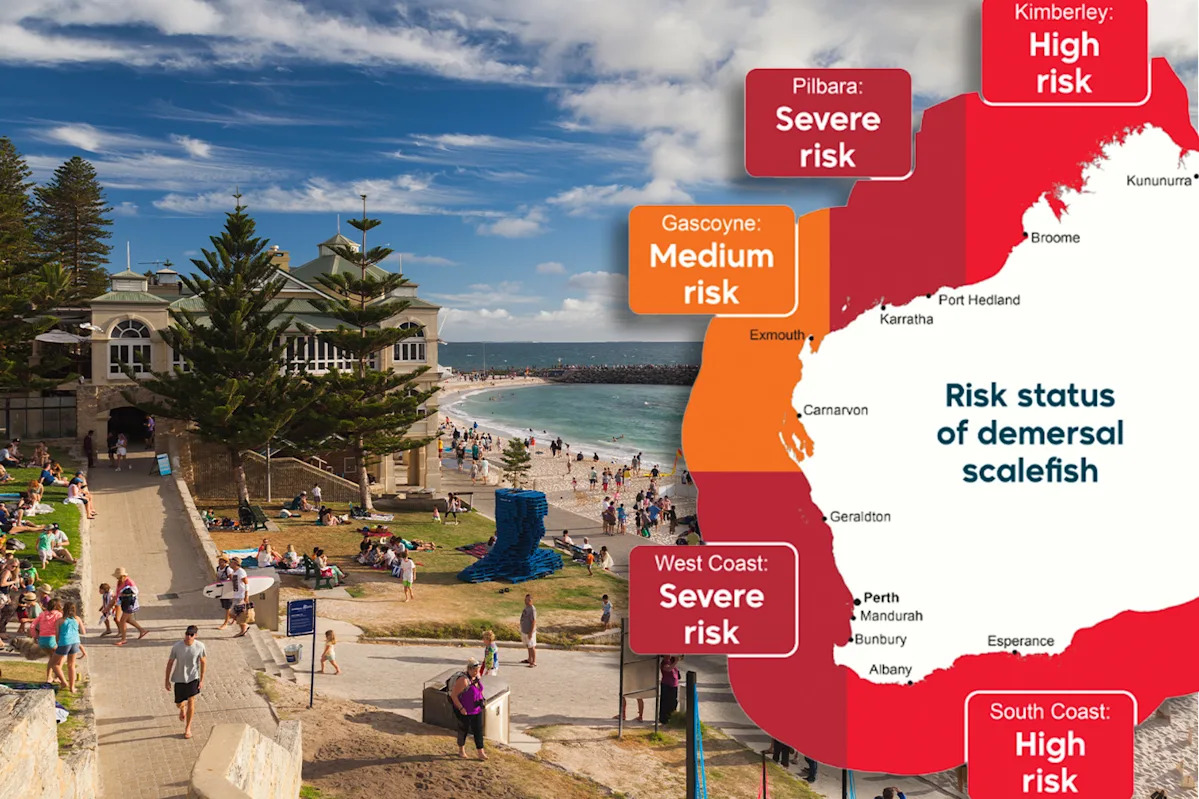
You’ll likely pay more for a fish meal at a restaurant or fish and chips shop this summer after a fishing ban affecting 900 kilometres of Australian coastline was announced this week. The ban is a desperate bid to replenish levels of demersal fish along the Western Australian coast, with species like pink snapper and dhufish under severe threat of extinction.
A 21-month ban will commence on January 1 and will apply to commercial fishing for demersal species in the West Coast Zone which stretches from Kalbarri in the north to Augusta in the southwest.
Recreational fishing in the zone will continue to be banned until spring 2027.
Charter fishing in the Perth metropolitan area will be closed from 16 December 2025, however, charter fishing for demersals under the tag system will continue in the remainder of the West Coast Zone under a reduced annual catch limit of 25 tonnes.
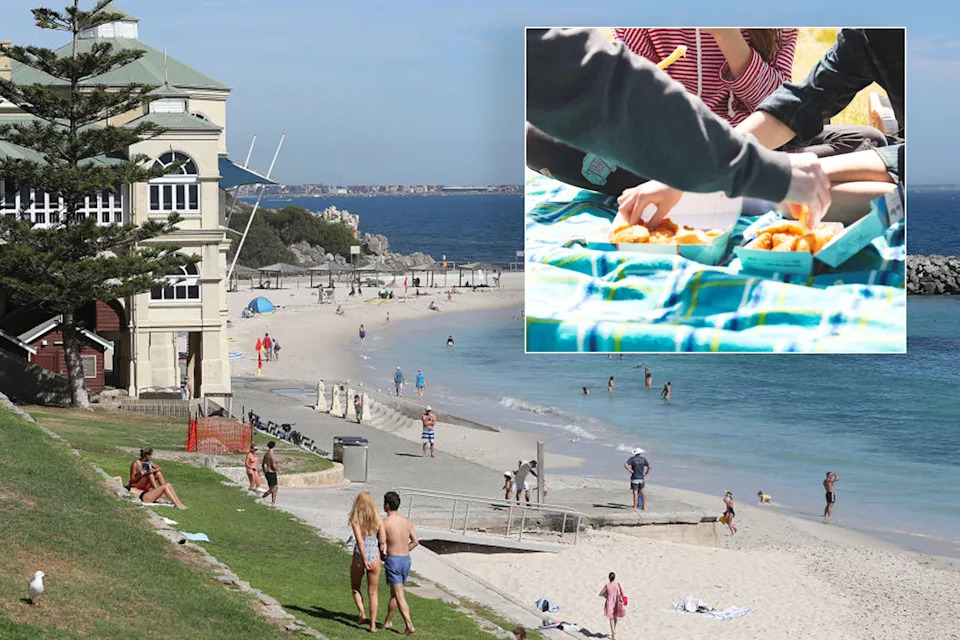
The fishing ban across 900 kilometres of WA coastline will likely increase the cost of beachside fish and chips this summer. Source: Getty
How will fresh fish supplies be affected in Western Australia?
Authorities have copped major backlash over the decision, with many in the National Party, such as MP Lachlan Hunter, claiming “people are losing their livelihoods” because of it, according to Perth Now.
Fish shop owners and seafood restaurants are wondering how they can serve their customers, with some admitting the decision will lead to more reliance on imported fish.
Colin Cox, who has been serving fresh local fish to Geraldton diners for over 30 years, says fresh fish is going to be hard to find.
Fish he has been serving at his popular Skeetas restaurant, such as dhufish, just won’t be available.
“Geraldton is known for fresh fish, fresh crayfish, we’re a fishing community, now we can’t buy fresh fish in Geraldton or the Midwest,” Cox told the ABC.
WA Premier Roger Cook stands by fishing ban
Western Australia Premier Roger Cook stood firm on the decision.
“These are difficult decisions to make, but they are the right thing to do. We want our kids and grandkids to be able to enjoy fishing in our beautiful state into the future,” Cook said.
“We know that these reforms will have a large impact on the fishing industry and sectors, and we have been working with them closely throughout this decision-making process… We need to take urgent action to save them for the future generations of fishers.”
Fisheries Minister Jackie Jarvis said “there will be less fish in the market for a number of years” but the ban was “the right thing to do” in order to protect marine life.
Do you have a story about the WA fishing ban? Contact sophie.coghill@yahooinc.com
$29m support fund to be dished out amid fishing ban
The Cook government confirmed it will be providing a $29.2 million Fisheries Support Package to help those likely impacted by the reforms.
$3.3 million will be for tackle shop rebates to encourage fishing for species not under threat.
The latest stock assessments across the coastline in question show the fishing pressure on a number of demersal species is too high, according to the state’s Department of Primary Industries and Regional Development’s (DPIRD).
“We know strong management does work to recover fisheries, and the Gascoyne oceanic pink snapper fishery is a great example,” Nathan Harrison, DPIRD Fisheries and Aquaculture Executive Director, said.
“Thanks to a recovery plan which significantly reduced fishing quotas and introduced spawning closures, we have been able to rebuild the stock.
“To safeguard the future of these highly valued demersal species along the entire WA coast, further management action is required.”
Do you have a story tip? Email: newsroomau@yahoonews.com.
You can also follow us on Facebook, Instagram, TikTok, Twitter and YouTube.