
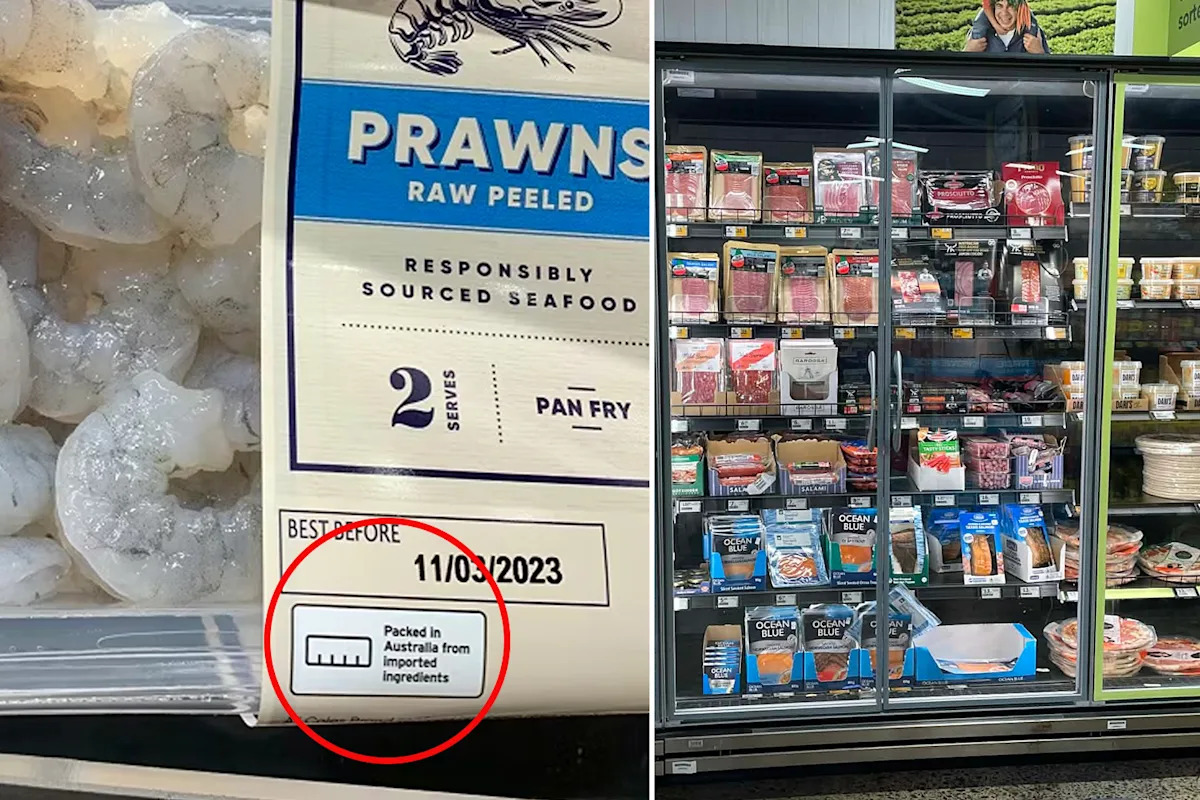
With Christmas just weeks away, Australians are being reminded to avoid a seemingly innocent act on the water that could have devastating ecological consequences. As families gear up for bulk seafood buys, authorities are warning the public against using imported prawns as fishing bait.
Australia is a country of prawn lovers, so much so that industries have to import significant amounts from overseas, namely Asia, to keep up with demand.
Imports are normally the frozen type — as opposed to fresh species commonly displayed on beds of ice — and although they’re perfectly edible for people, if they end up in our waterways, they could pose very real environmental problems.
NSW Biosecurity, a division of the state’s Department of Primary Industries and Regional Development (DPIRD), took to social media this week to remind Australians how to properly dispose of their prawn waste, to avoid an ecological disaster.
The main concern, it said, is the white spot syndrome virus (WSSV).
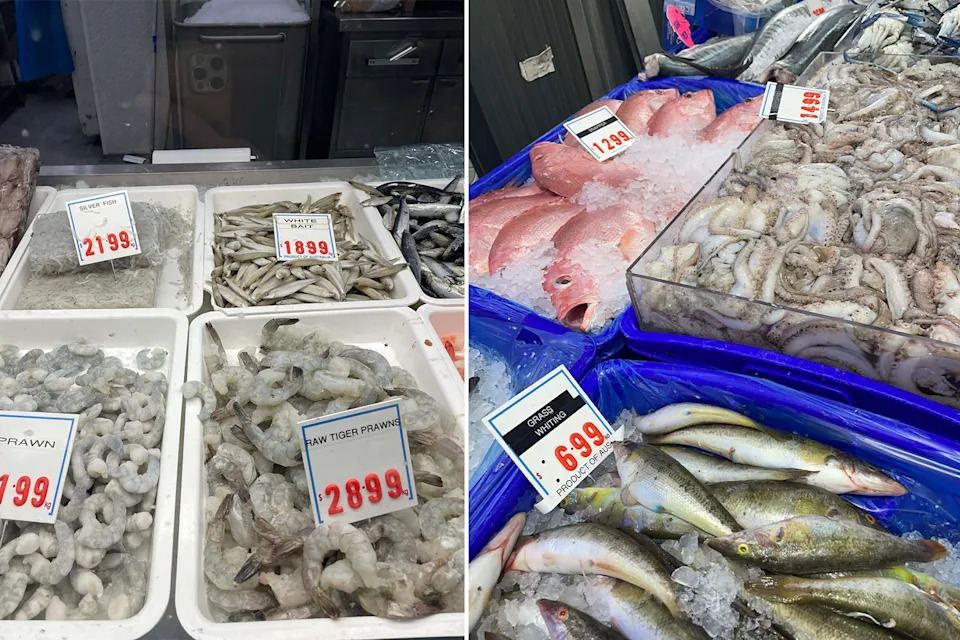
Fresh prawns, normally displayed on beds of ice, are mostly products of Australia. But frozen ones are usually imported. Source: Yahoo News
Speaking to Yahoo News, a NSW DPIRD spokesperson said prawns purchased from a reliable bait supplier are safe to use as bait, but those sold for human consumption are not.
“The origin of prawns imported from overseas is the greatest concern as they potentially can carry and spread pathogens or disease to our locally farmed or harvested prawns and crustaceans,” they said.
“If these imported prawns, which are safe for human consumption, were to introduce pathogens or disease to our local crustaceans, it could have negative impacts on NSW fisheries, aquaculture and the environment.”
Imported prawns are widely available across the country, through supermarkets, seafood retailers and wholesalers, and other seafood outlets.
“Every purchase of local seafood, including prawns, from reputable retailers guarantees quality and taste, plus supports hardworking fishers, farmers and regional economies,” the spokesperson said.
What is WSSV, and how does it affect prawns?
White spot syndrome virus (WSSV) is a highly contagious prawn disease, which often results in 100 per cent mortality in farmed prawns within days.
Infected prawns often develop distinctive white spots on their shells, show lethargy, and WSSV spreads rapidly in aquaculture settings, making it one of the most serious threats to prawn farming worldwide.
The virus does not affect humans, but its economic and ecological impact on prawn populations is significant.
If imported prawns carrying WSSV were introduced into Australian waterways, the consequences could be severe.
Native prawn and shrimp species could become infected, potentially decimating local populations and disrupting aquatic ecosystems.
Because Australia has strict biosecurity measures to prevent WSSV from entering wild waters, allowing infected prawns in could also threaten commercial fisheries and aquaculture, leading to major economic losses and long-term environmental damage.
How to fish safely, according to NSW Biosecurity
1. 🍤 Never use prawns intended for human consumption as bait
2. 🎣 When fishing, always source your bait from a trusted supplier local to the area you intend to fish
3. 🌊 If you catch your own bait, use it only in the water from where it came
4. 🗑️ Dispose of your prawn waste (heads or shells) in general waste, never to our waterways
5. 💧 Make ‘clean’ part of your routine, wash your vehicles and gear between waterways
Love Australia’s weird and wonderful environment? 🐊🦘😳 Get our new newsletter showcasing the week’s best stories.
