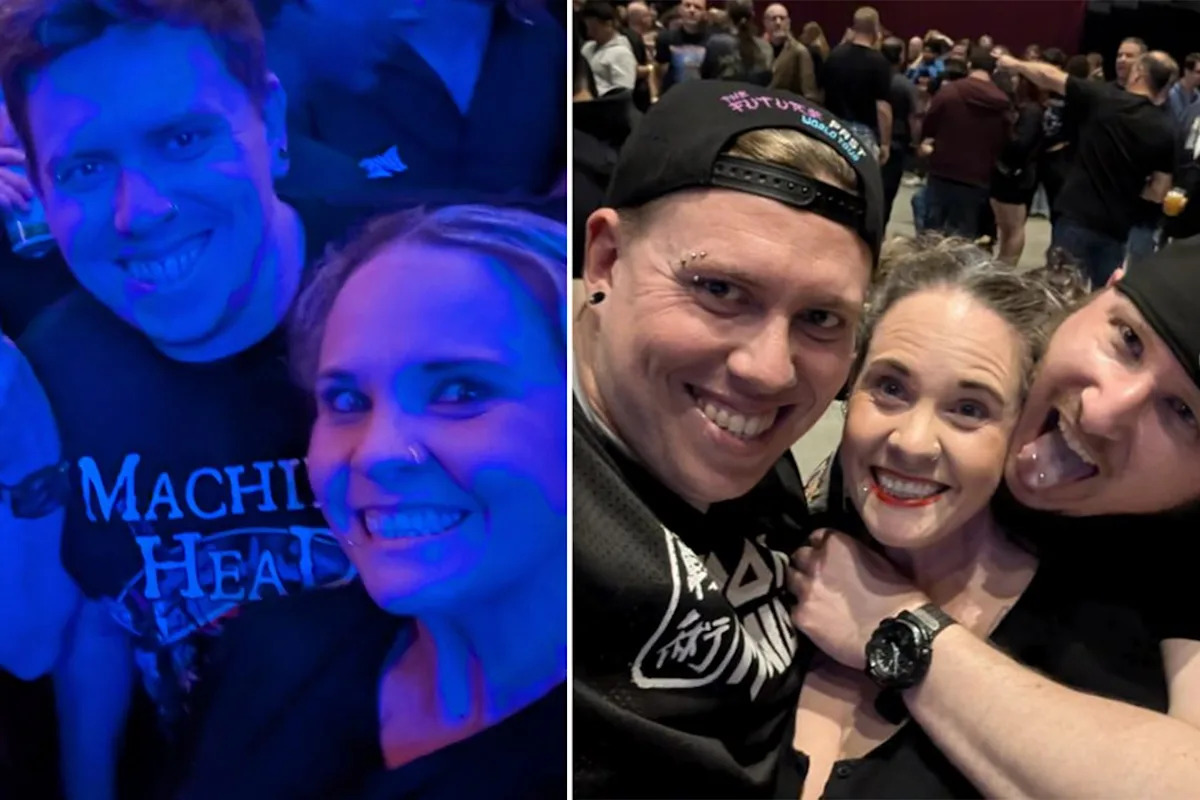
Imagine being turned away from bars, clubs, and venues for simply moving through a crowd the only way you safely can.
That’s the reality for Sydney man Daniel Leighton, 36, who lives with Retinitis Pigmentosa.
In an interview with Yahoo, he explained that the experience happens far too often.
“I was born with a hearing loss, and as I hit puberty, I started to lose my peripheral vision,” Daniel said.
“I remember not ever being able to see well in low-light conditions, and then slowly I started losing more periphery until, by my 30s, it was basically gone.
“Now I just have a very narrow field of view, like a tunnel vision sort of situation.”
There’s no treatment yet. Glasses don’t help, and stem cell research overseas hasn’t reached human trials.
So Daniel navigates the world with what vision he still has, and in crowded social settings, that comes with added challenges.
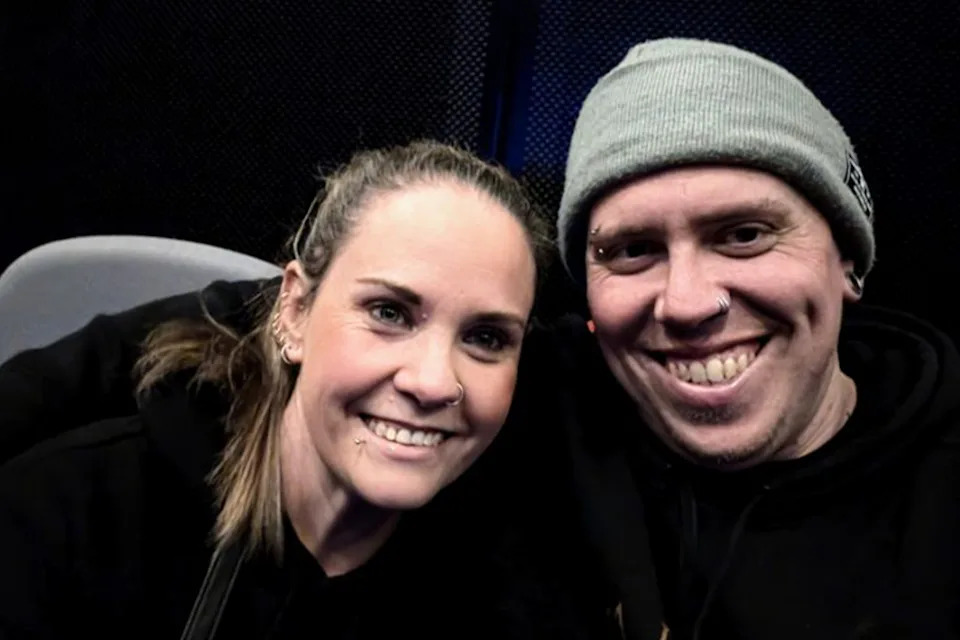
Daniel lives with Retinitis Pigmentosa, a condition that causes gradual vision loss, especially in low-light settings. Source: Supplied
Bars, clubs, and music venues are the toughest. Daniel rarely uses his cane in packed environments because of their size.
“Moving that around on the ground in large groups of people isn’t going to tell me anything. It’ll just tell me there are people all around me.”
Instead, he places a hand on a friend’s shoulder — the only way he can safely move through tight crowds with low light and uneven footing.
Do you have a story? Contact newsroomau@yahoonews.com
But to security staff, that often looks like someone who’s unsteady on their feet.
“Bars and anywhere there’s drinking is notoriously bad,” Daniel said.
“I personally don’t drink. If I buy a four-pack of pre-mixes, that’ll last me a fortnight. But when I go to bars, I might have a drink or two. I’ve shown up, not even walked up to the bar, and I’ve been asked to leave because they think I’m intoxicated when it’s clearly not the case.”
Once security makes that call, Daniel says it’s almost impossible to change their minds, even when he produces a pass confirming he’s visually impaired.
“Sometimes they won’t even listen to the issue. They’ll just say, ‘I don’t believe you’ve only had one drink,’ and then it’s, ‘you don’t have to go home, but you can’t stay here.'”
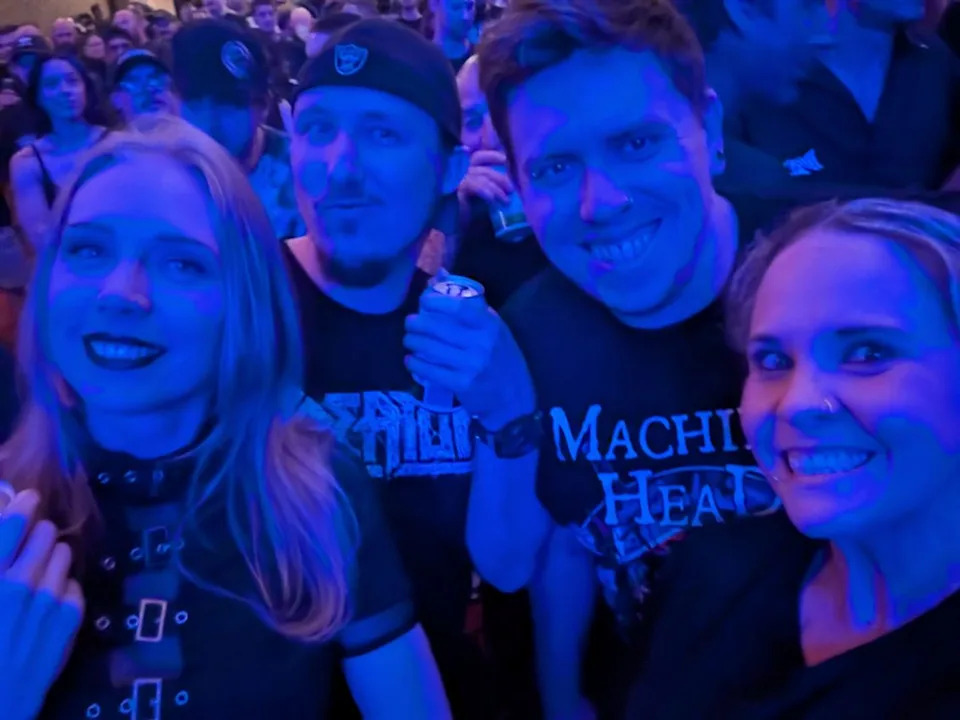
Daniel attends gigs multiple times a month, at crowded venues and in chaotic mosh pits, all while living with low vision. Source: Supplied
And despite brushing it off now, it hasn’t always been so easy.
“It used to definitely put a dampener on the night. We used to go home,” he said. “It feels pretty sh*tty. But my mates are such good friends — we just blacklist that place and never go back.”
Daniel’s experience is far from isolated.
Vision Australia says many people with low vision describe similar treatment from bouncers, bar staff, and venue security.
Focus groups conducted by the organisation found attendees consistently felt misunderstood and unsupported, often leaving events early or avoiding them altogether.
Daniel’s experience reveals a bigger issue at play
Chris Edwards, General Manager of Corporate Affairs and Advocacy at Vision Australia, said these incidents reveal a broader problem.
“Music and concerts play an important role in social inclusion and cultural participation. People with a disability have a right to enjoy these events with their peers. However, mishandling by venue staff can easily derail this,” he said.
“While increased lighting, large print signage, audio announcements and audio description are important accessibility features at all events, this needs to be effectively communicated to patrons.”
Edwards says accessibility isn’t just about physical design — though improved lighting, clear signage, audio announcements and audio description help — but about communication and awareness.
“Well-trained staff can bridge gaps in design and respond to individual needs in real time to support accessibility,” he said.
Vision Australia is urging venues to brief staff on accessibility features, companion seating options, inclusive language, and the location of ramps, lifts, and viewing areas.
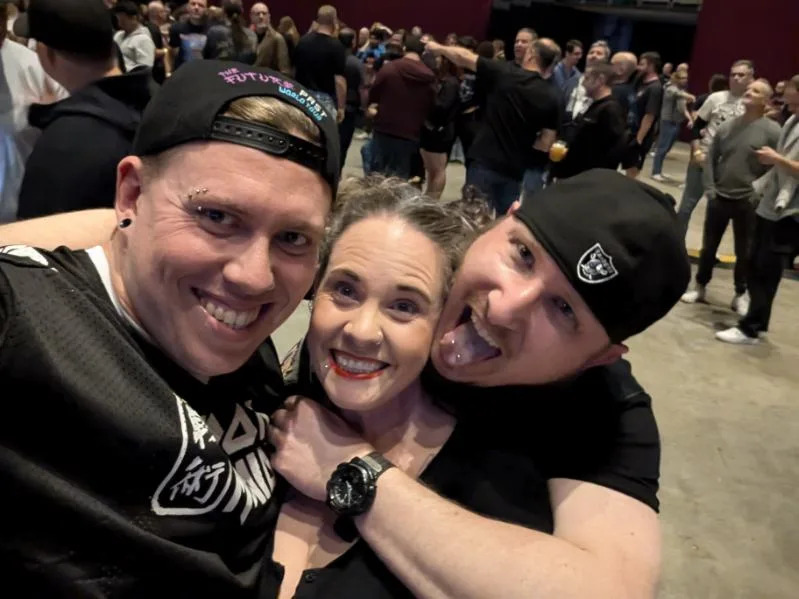
Dimly lit concert venues are particularly tough for him, but the biggest challenges go beyond environmental hurdles. Source: Supplied
They also recommend assigning a clear point of contact for accessibility queries and encouraging the use of both verbal and non-verbal communication when assisting patrons.
Daniel believes the solution is simultaneously simple and overlooked.
“It’s got to be awareness and a little bit of empathy,” he said. “Yes, as security or a bouncer, that is your job, but a little bit of sensitivity and awareness is probably the main thing that needs to happen.”
He also wants the public to understand that vision loss doesn’t always look the way people assume.
“I think the biggest thing is just how varied it can be. Just because someone’s blind doesn’t mean they don’t have any perception,” he said.
“If you saw me out in public with a friend and not with my cane, I don’t think most people would pick it up. I can see what’s directly in front of me.
“I make good eye contact. Every person’s blindness or disability is different, even if it’s the same condition.”
Despite the setbacks, Daniel keeps showing up. The music scene, especially metal and punk, gives him the sense of community he wishes security guards could see.
For him, accessibility isn’t about rules. It’s about belonging.
Do you have a story tip? Email: newsroomau@yahoonews.com.
You can also follow us on Facebook, Instagram, TikTok, Twitter and YouTube.