Welcome to Yahoo’s weekly column where lawyers Alison and Jillian Barrett from Maurice Blackburn tackle problems everyday Aussies face — whether it be consumer, property, money matters impacting relationships or work.
Question
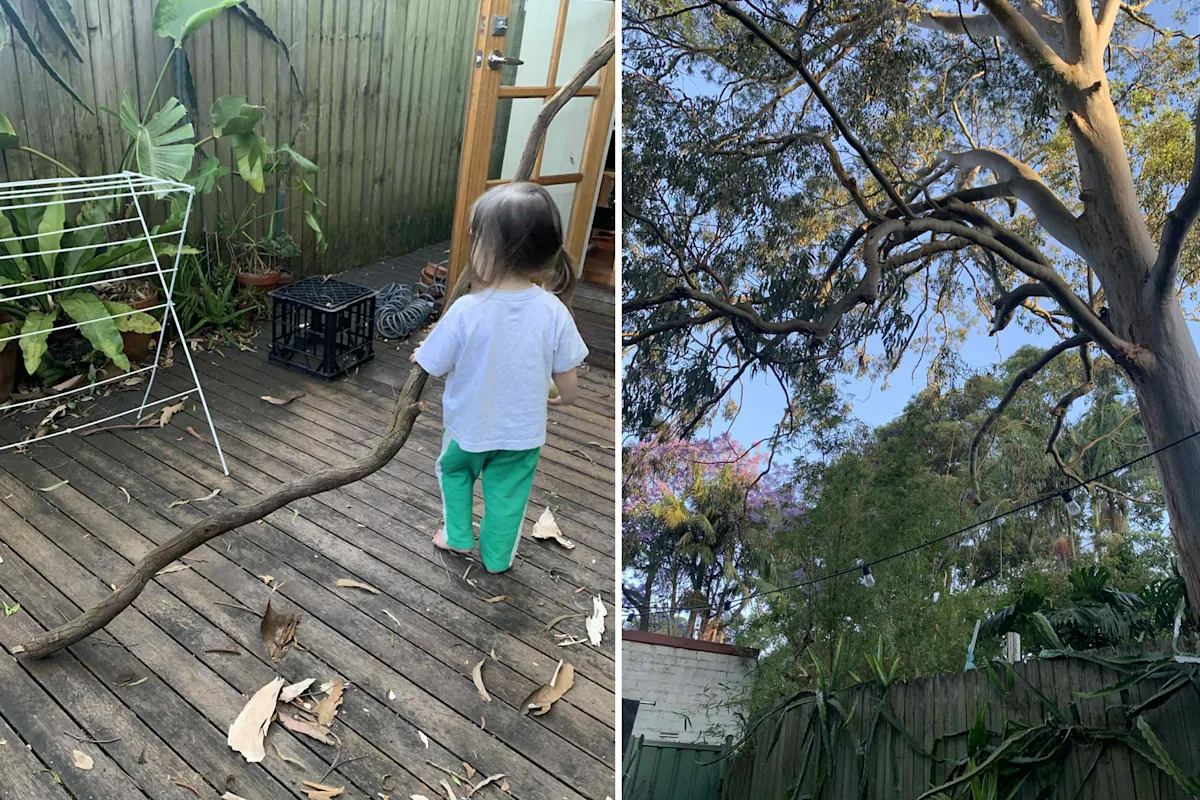
I live in a row of terraces and the house one door down has a huge gum tree in their backyard that actually stretches over five different properties. It’s constantly dropping branches into our backyard and the other day, a huge branch came down and smashed a few pots. With two young kids, I worry one is eventually going to fall on them and seriously injure them. Those trees aren’t called ‘widow makers’ for nothing. A few of us have spoken to council about its removal as it’s overgrown its space, but they came out and deemed the tree was healthy and that it should stay. Even the person who owns the home with the tree wants it gone as they’re paying an arborist every year to chop down the obvious dead wood off the tree. Where do I stand moving forward?
Answer
Living in a row of terraces can be charming, but when a neighbour’s towering gum tree starts dropping branches across five properties, including yours, it’s understandable to feel anxious, especially with young children playing nearby.
Even though the gum tree is in your neighbour’s backyard, many local councils have local laws that deal with the protection of vegetation, including trees.
These laws restrict the ways landowners deal with trees.
In most cases, owners need a permit to remove protected trees, but are still able to prune trees (with restrictions) and may remove trees that present an imminent hazard to life or property (although photographic evidence of the threat may be required).
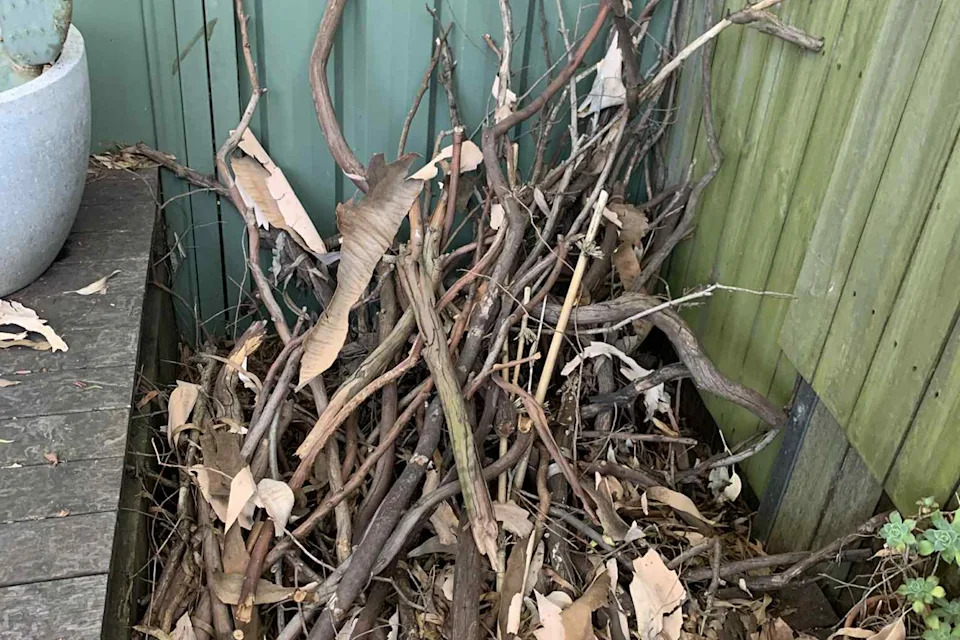
The concerned resident has collected many fallen branches, highlighting the number coming down in his yard. Source: Yahoo News Australia
In most Australian states, tree disputes between neighbours are governed by specific legislation.
For example, in New South Wales, the law allows property owners to apply to the Land and Environment Court if a tree on a neighbouring property is causing damage, posing a danger, or obstructing sunlight or views.
You’ve done the right thing by speaking with your local council, and while they may have deemed the tree “healthy,” that doesn’t necessarily mean it’s safe.
A tree can be structurally sound but still drop dangerous limbs, especially gum trees, which are notorious for shedding branches without warning.
If the tree is causing actual damage (like smashing pots) or poses a real risk to safety, you may have grounds to take further action.
Do you have a matter you’d like us to weigh in on? Contact newsroomau@yahoonews.com and we might feature it next.
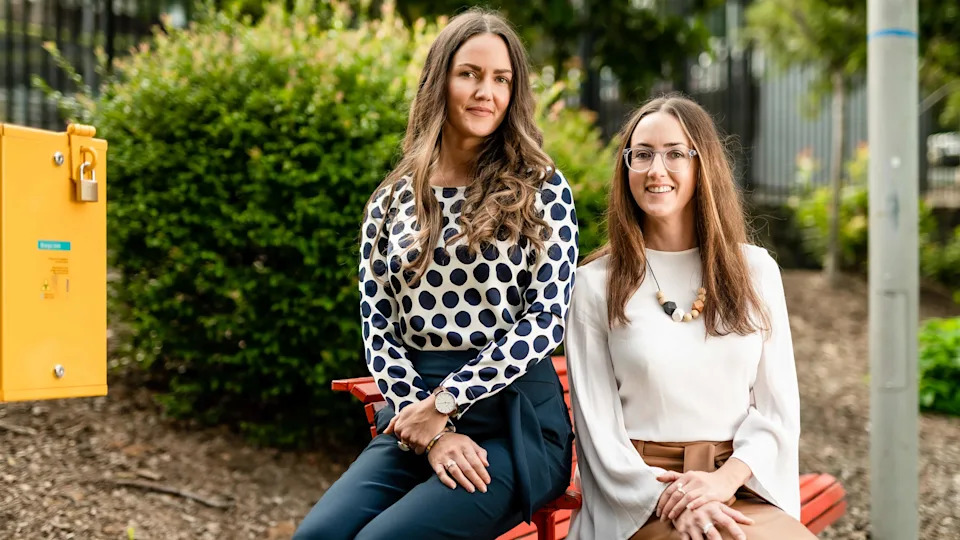
Alison and Jillian Barrett are Principal Lawyers at Australia’s leading plaintiff law firm, Maurice Blackburn.
Before heading to court, it’s important to build your case:
Take photos of the fallen branches and any damage they’ve caused.
Document incidents – dates, what happened, and any costs incurred.
Speak with your neighbour (the tree owner) and keep a record of your conversations. It sounds like they’re on your side, which is a big help.
Get an arborist’s report. If the arborist identifies dead wood or structural risks, this can support your claim that the tree is dangerous – even if the council says otherwise. Without a supportive report your case may have limited success.
States and territories have different mechanisms to take it further, if you want an order that permits the removal of the tree. For example, the Land and Environment Court in NSW or the Civil and Administrative Tribunal (QCAT) in Queensland has jurisdiction to hear and decide any matter in relation to a tree that may affect your property.
The Court/ Tribunal will consider whether the tree is likely to cause injury or damage, and whether you’ve made reasonable efforts to resolve the issue first.
This information is general in nature and should not be regarded as specific legal advice. For legal advice on a specific situation, consult a qualified solicitor.
The contents of this column reflect or are inspired by real-life experiences. Some details may be adapted.
You can also follow us on Facebook, Instagram, TikTok, Twitter and YouTube.