
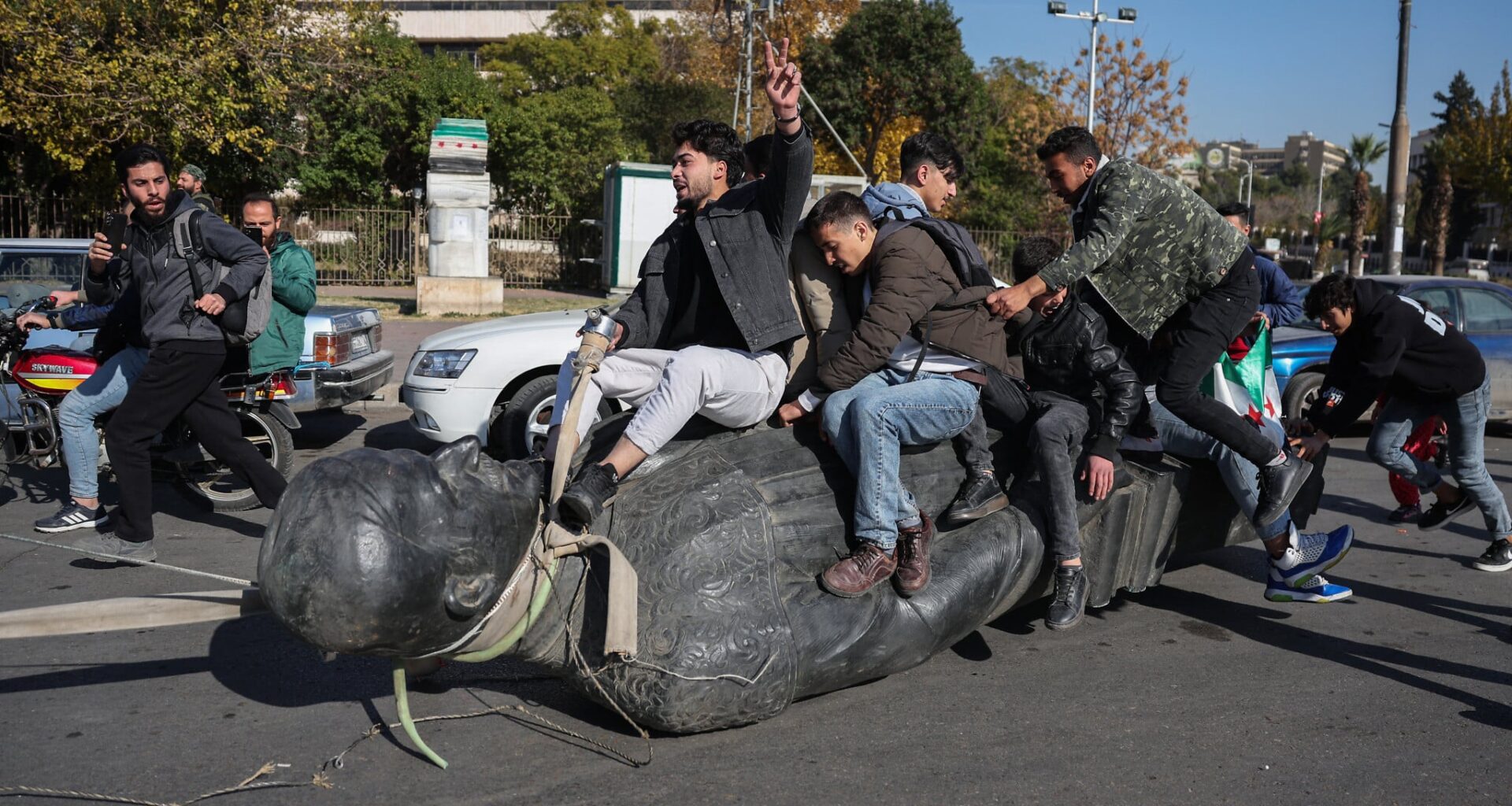
DAMASCUS (Reuters) — Former loyalists to Bashar al-Assad who fled Syria after the dictator’s fall are funneling millions of dollars to tens of thousands of potential fighters, hoping to stir uprisings against the new government and reclaim some of their lost influence, a Reuters investigation has found.
Assad, who escaped to Russia last December, is largely resigned to exile in Moscow, say four people close to the family. But other senior figures from his inner circle, including his brother, have not come to terms with losing power.
Two of the men once closest to Assad, Maj. Gen. Kamal Hassan and billionaire Rami Makhlouf, are competing to form militias in coastal Syria and Lebanon made up of members of their minority Alawite sect, long associated with the Assad family, Reuters found. All told, the two men and other factions jostling for power are financing more than 50,000 fighters in the hope of winning their loyalty.
Assad’s brother, Maher, who is also in Moscow and still controls thousands of former soldiers, has yet to give money or orders, said the four people close to the Assads.
One prize for Hassan and Makhlouf is control of a network of 14 underground command rooms built around coastal Syria toward the end of Assad’s rule, as well as weapons caches. Two officers and a Syrian regional governor confirmed the existence of these concealed rooms, details of which appear in photos seen by Reuters.
Get The Times of Israel’s Daily Edition
by email and never miss our top stories
By signing up, you agree to the terms
Hassan, who was Bashar’s military intelligence chief, has been tirelessly making calls and sending voice messages to commanders and advisers. In them, he seethes about his lost influence and outlines grandiose visions of how he would rule coastal Syria, home to the majority of Syria’s Alawite population and Assad’s former power base.
????????????????????’???? ???????????????????????? ???????????? ???????????????????? ???????????? ???????????????????????????????????????????? ???????????????????????? ???????????????? ???????????????????????? ???????????????????????????????????? ???????????????? ????????????????????????
???? Ex-military intelligence chief of the former Assad regime Maj. Gen. Kamal Hassan and billionaire Rami Makhlouf are funding… pic.twitter.com/djSWtDwbIQ
— Levant24 (@Levant_24_) December 5, 2025
Makhlouf, a cousin of the Assads, once used his business empire to fund the dictator during the civil war, only to run afoul of his more powerful relatives and wind up under years of house arrest. He now portrays himself in conversations and messages as a messianic figure who will return to power after ushering in an apocalyptic final battle.
Hassan and Makhlouf did not respond to requests for comment for this report. Bashar and Maher Assad couldn’t be reached. Reuters also sought comment from the Assad brothers through intermediaries, who didn’t reply.
From their exiles in Moscow, Hassan and Makhlouf envision a fractured Syria, and each wants control of the Alawite-majority areas. Both have spent millions of dollars in competing efforts to build forces, Reuters found. Their deputies are in Russia, Lebanon and the United Arab Emirates.
To counter the plotters, Syria’s new government is deploying another former Assad loyalist – a childhood friend of new President Ahmed al-Sharaa who became a paramilitary leader for Assad and then switched sides mid-war after the dictator turned against him. The task of that man, Khaled al-Ahmad, is to persuade Alawite ex-soldiers and civilians that their future lies with the new Syria.
“This is an extension of the Assad regime’s power struggle,” said Annsar Shahhoud, a researcher who studied the dictatorship for more than a decade. “This competition continues now, but instead of the goal being to please Assad, the focus is on finding his replacement and controlling the Alawite community.”
Details of the scheming are based on interviews with 48 people with direct knowledge of the competing plans. All spoke on condition of anonymity. Reuters also reviewed financial records, operational documents, and exchanges of voice and text messages.
The governor of the coastal region of Tartous, Ahmed al-Shami, said Syrian authorities are aware of the outlines of the plans and ready to combat them. He confirmed the existence of the command-room network as well, but said it has been weakened.
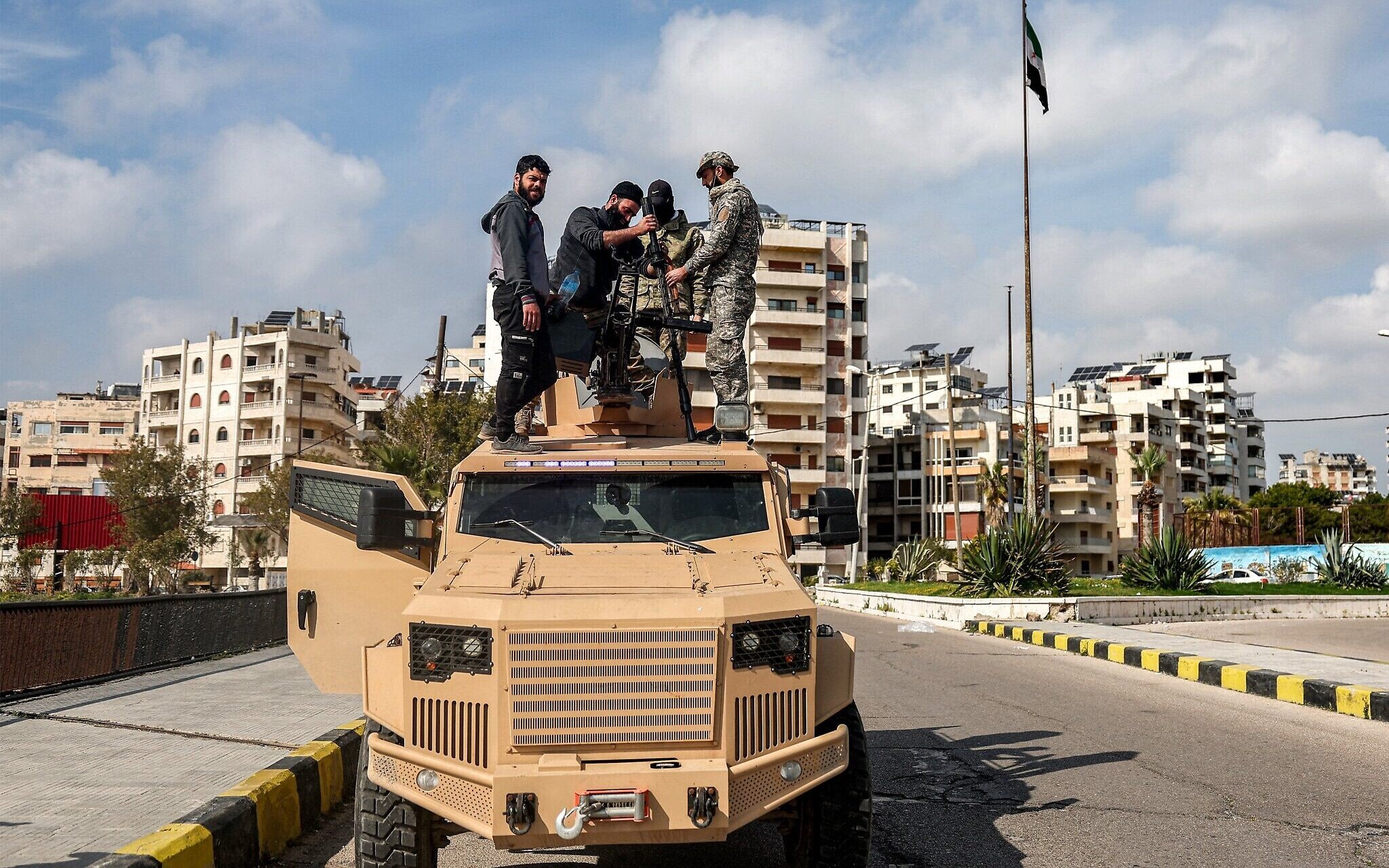
Security forces loyal to the interim Syrian government attach a turret atop an armored vehicle parked along a road in Syria’s western city of Latakia, March 9, 2025. (Omar Haj Kadour / AFP)
“We are certain they cannot do anything effective, given their lack of strong tools on the ground and their weak capabilities,” al-Shami told Reuters in response to questions about the plotting.
The Lebanese Interior Ministry and the Russian Foreign Ministry did not respond to requests for comment. A UAE official said its government is committed to preventing the use of its territory for “all forms of illicit financial flows.”
An uprising could destabilize Syria’s new government as the United States and regional powers throw their support behind Sharaa, the former al-Qaeda commander who toppled Assad last December and is now navigating a fractured political landscape. It would risk igniting another round of deadly sectarian violence, which has roiled the new Syria over the past year.
For now, the prospects of a successful uprising seem low.
Chief plotters Hassan and Makhlouf are virulently at odds with one another. Their hopes are fading to win backing from Russia, once Assad’s most powerful political and military supporter. Many Alawites in Syria, who also suffered under Assad, mistrust the pair. And the new government is working to stymie their plans.
In a brief statement in response to the Reuters findings, the government’s Alawite point man al-Ahmad said the “work of healing – of uprooting sectarian hatred and honoring the dead – remains the only path toward a Syria that can live with itself again.”
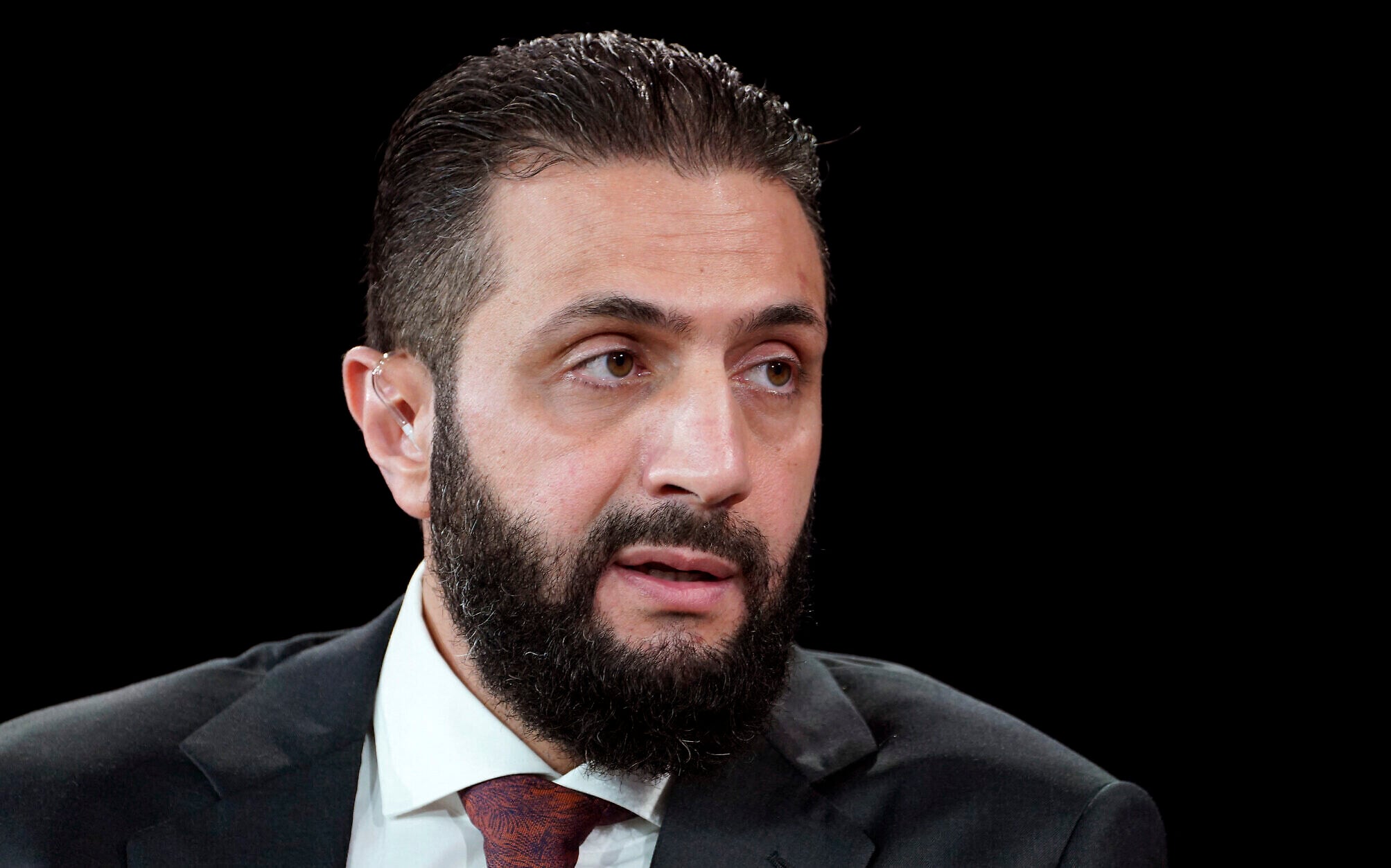
Syrian President Ahmed al-Sharaa speaks onstage during the 2025 Concordia Annual Summit at the Sheraton New York Times Square Hotel, in New York City, September 22, 2025. (Riccardo Savi/Getty Images for Concordia Annual Summit/AFP)
‘Perhaps thousands more will die’
Hassan claims control of 12,000 fighters, while Makhlouf claims control of at least 54,000, according to their factions’ internal documents. Commanders on the ground said fighters are paid a pittance and are taking money from both sides.
The exiles don’t appear to have mobilized any forces yet. Reuters could not confirm the fighter figures or determine specific action plans. Tartous governor Al-Shami said potential fighters numbered in the tens of thousands.
In interviews, the people closest to the plotters said they’re aware that tens of thousands of Syrian Alawites could face violent retribution if they implement their plans against the new Sunni-dominated leadership. The new government took power after emerging victorious a year ago in the nearly 14-year civil war that plunged the country into sectarian bloodshed.
In March, nearly 1,500 civilians were killed across the Mediterranean coast by government-affiliated forces after a failed uprising in an Alawite town. Both Hassan and Makhlouf promise to protect Syria’s Alawites from the insecurity that has continued since March, including near-daily killings and kidnappings.
Alawite anger toward the new government erupted on November 25, when thousands took to the streets in Homs and coastal cities. They demanded more autonomy, the release of detainees, and the return of abducted women. The protests marked the first large-scale demonstrations Syria had witnessed since Assad’s fall.
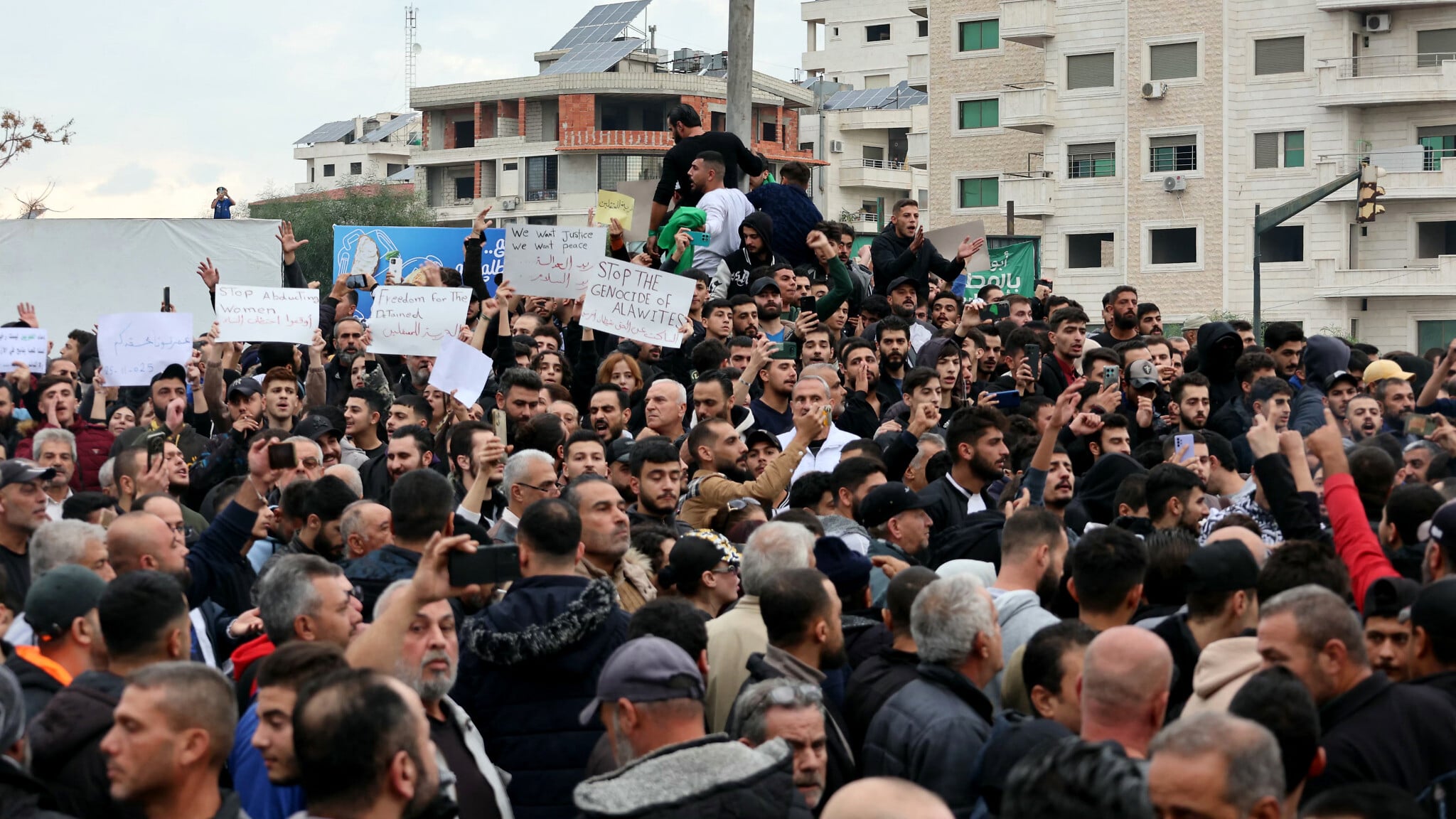
People take part in a protest in al-Azhari Square, following attacks against the Alawite minority community in the coastal city of Latakia, in Syria’s Alawite heartland on November 25, 2025. (Haidar MUSTAFA / AFP)
Neither Makhlouf nor Hassan was behind the protests, but rather a cleric who opposes both men and publicly called on people to demonstrate peacefully. Makhlouf attacked the cleric the next day in a social media post, saying, “all these movements will only bring calamity, for the time is not yet right.”
One of Hassan’s top military coordinators told Reuters that fighting is the only way to restore Alawite dignity.
“We are lucky that only this number of our people have died so far,” said the coordinator, a former Assad-era military intelligence officer who is now in Lebanon. “Perhaps thousands more will die, but the sect must offer up sacrificial lambs” to defend the community.
According to January 2025 documents seen by Reuters, Assadist forces drew up initial plans to build a paramilitary force of 5,780 fighters and supply them from the subterranean command rooms. These are essentially large storerooms equipped with arms, solar power, internet, GPS units and walkie-talkies.
Nothing came of that early plan, and the command rooms – along a spine in coastal Syria about 180 kilometers from north to south – remain operational but essentially idle, according to two people with knowledge of them and photos seen by Reuters.
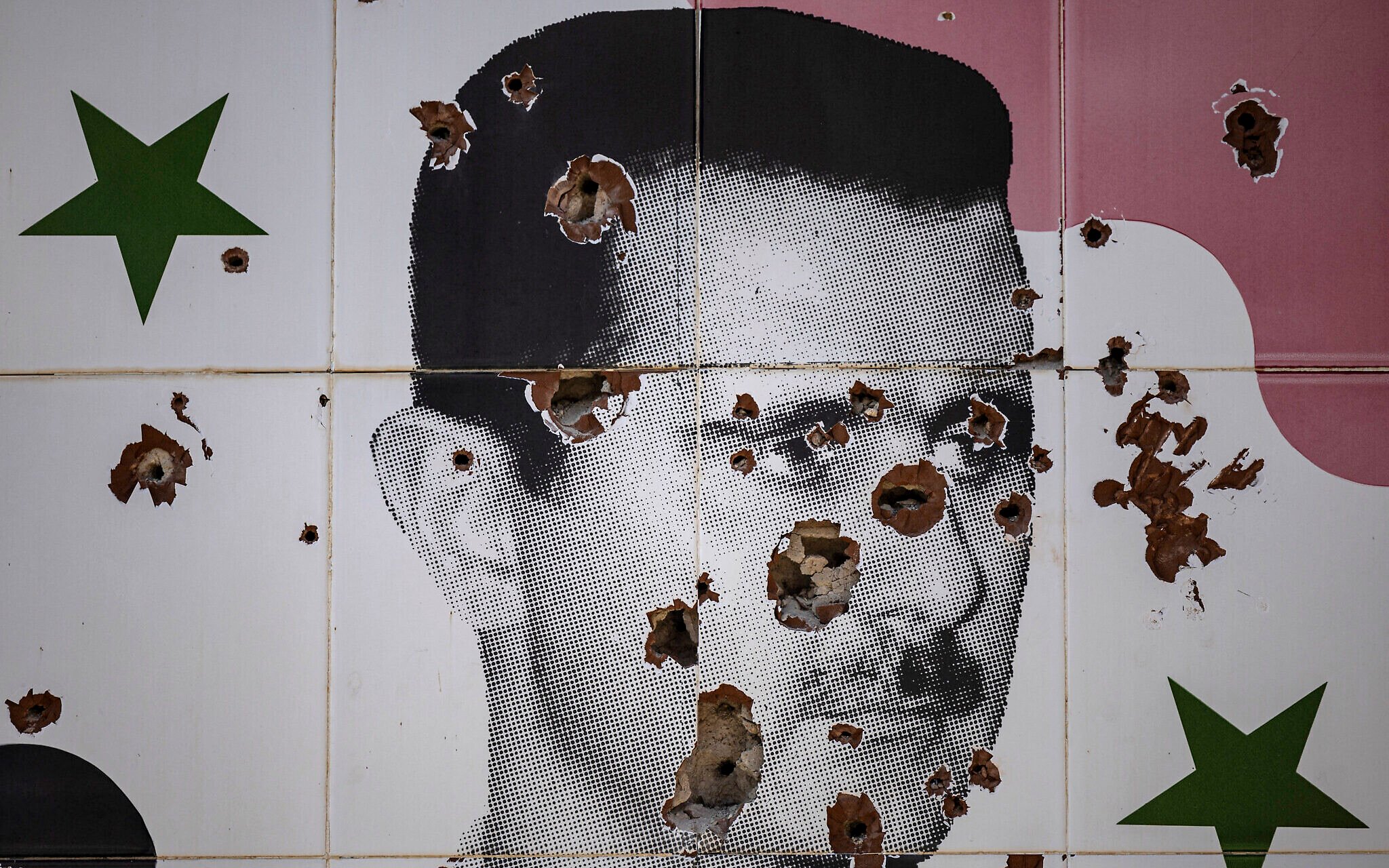
Bullet holes deface a mural depicting the toppled Syrian president Bashar al-Assad in Adra town on the northeastern outskirts of Damascus, Syria, December 25, 2024. (Sameer Al-Doumy / AFP)
One photo showed a room with five stacked crates, three of which were open to reveal a collection of AK-47s, ammunition and hand grenades. The room also held three desktop computers, two tablets, a set of walkie-talkies, and a power bank. In the center was a wooden table topped with a large map.
Al-Shami, the Tartous governor, said the network is real but poses little danger. “These centers have been significantly weakened since the liberation,” he said. “There is no concern about their continued existence.”
As senior military officials and ranking government figures escaped abroad in December 2024, many mid-level commanders remained in Syria. Most fled to the coastal regions dominated by Alawites, a Muslim minority that makes up a little over 10% of Syria’s population. Those officers started recruiting fighters, according to a retired commander involved in the effort.
“The most fertile ground was the military,” the retired commander said. “Thousands of young men from the sect had been conscripted into the army, which was dissolved in December, and they suddenly found themselves exposed.”
Then came the failed uprising on March 6. An Alawite unit operating independently ambushed security forces from the new Syrian government in rural Latakia, killing 12 men and capturing more than 150, according to a brigadier general who was involved with the ambush and has since left for Lebanon.
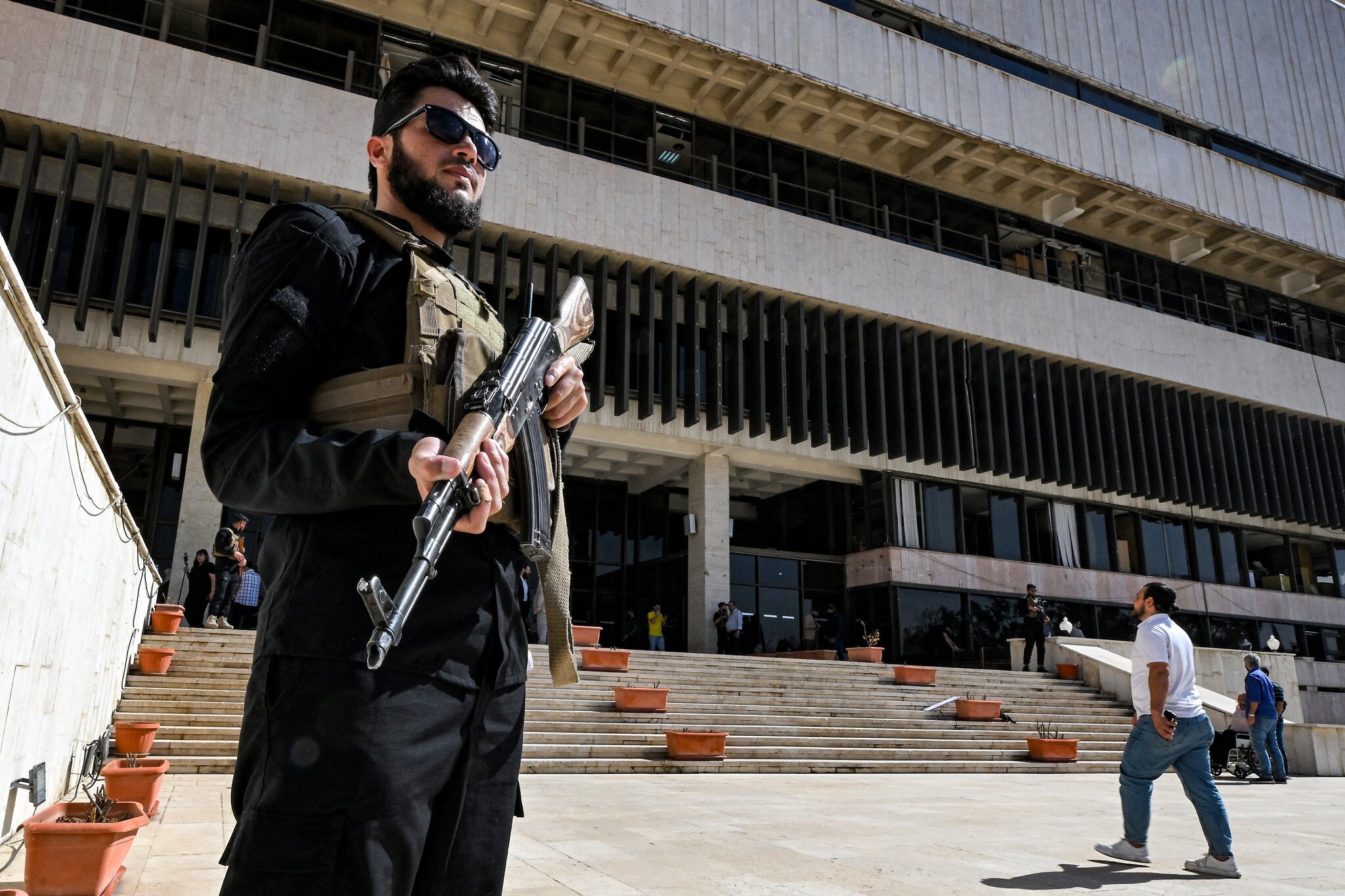
A member of the Syrian authorities’ new security forces stands guard outside a polling station where members of Syrian local committees cast their votes in the country’s selection process to designate an interim parliament, in Damascus on October 5, 2025. (LOUAI BESHARA / AFP)
The new Syrian government says hundreds of its security forces died in the fighting that followed – a claim largely echoed by the pro-Assad fighters. The brigadier general said 128 pro-Assad forces died in the uprising, which was quelled by the new government. The insurgency sparked reprisals that killed nearly 1,500 Alawites.
The Assadist exiles neither started nor commanded the uprising, according to the officers who were there, but those days marked a turning point. They began to organize.
The other Assad
A potential key player in attempts to instigate an uprising is Maher al-Assad, the ex-dictator’s younger brother.
Maher controlled both a business empire and the most powerful unit of the Syrian military, the 4th Armored Division. Under him, according to research by the U.S. think tank New Lines Institute, the division gained power and financial independence that made it akin to a state within a state – to the point where it received its own sanctions from the United States, Britain and the European Union.
A senior division commander, now in Lebanon, said Maher’s financial empire remains largely operational except for his alleged sales of Captagon, an illicitly produced amphetamine. His assets are believed to be stashed in shell companies both inside and outside Syria, according to a businessman close to him.
The commander said that while Bashar al-Assad is focused on his private life and businesses, Maher still wants influence in Syria. The younger brother cannot fathom how the children of Hafez al-Assad, the dictatorship’s founder, could be forced out of Syria, he said.
“The family regards Hafez al-Assad as a god, and Maher is trying to build on that, but he has not moved so far,” the commander said.
Two division officers say many of its 25,000 fighters, both inside and outside Syria, still consider Maher al-Assad their commander and can mobilize them if he gives the order.
Makhlouf isn’t seeking the Assads’ backing: Publicly, he has derided his cousins as “the fugitives.” Hassan, relying on years of personal ties and collaboration with the Assads, is appealing for Maher’s support, according to three senior sources in both camps.
Russia has so far withheld support for Hassan and Makhlouf, according to six people with direct knowledge of the exiles’ attempts to win over the Kremlin. While Moscow is harboring the exiles, the Russian government has been clear that its priority is continued access to the military bases it still operates in coastal Syria, according to two diplomats familiar with Russia’s position.