

Air pollution is not only harmful to your respiratory health but also to your overall well-being. It may seem like throat irritation and burning eyes are the most common signs, but the impact often runs much deeper, driving your health to a point where your heart, blood vessels and brain begin to feel the strain. Over time, these hidden stresses may push you to life-threatening emergencies like a stroke.
 Headaches may be common, but they may signal risks of stroke. (Picture credit: Freepik)
To understand more about the troubling signs you need to pay attention to, HT Lifestyle connected with Dr Vivek Barun, consultant neurology and epilepsy, Artemis Hospital. He shed light on the early red flags that mean pollution is beginning to affect your body in ways.
The neurologist said, “Particles that are bad for your health come from car emissions, industrial smoke, and dust. They get into your blood and cause inflammation and damage to blood vessels.” So it means long-term exposure to polluted air may silently push you closer to serious neurological and cardiovascular problems.
Here are the top signs that you may dismiss quickly, but shouldn’t, as they could be your body’s early warning signals of pollution-related strain:
1. Headaches and dizziness that happen often  Dizziness is one of the symptoms that your brain health is getting impacted. (Shutterstock)
If you are experiencing frequent headaches and unexplained dizziness, you need to stop brushing them off, as they are signs that polluted air is affecting your brain function.
The neurologist explained, “If you often get headaches and feel lightheaded for no reason, it could be because the air is polluted and the brain isn’t getting enough oxygen. This pressure on blood vessels can cause the kind of damage that makes strokes more likely.”
2. Unusual tiredness and low energy  If you are tired and craving food before lunch, you may want to re-evaluate your breakfast plan.(Picture credit: Freepik)
The second sign is also one that’s easy to overlook, since tiredness and low energy can easily be mistaken for everyday burnout. But when fatigue lingers despite proper rest, it may hint towards the negative impact of polluted air.
He highlighted how persistent fatigue cannot be overlooked: “If you still feel tired after getting enough sleep, it could mean that your body is fighting inflammation caused by toxins. Air pollution can make your lungs work less well, and your heart work harder, which can cause long-term stress on your heart and blood vessels.”
3. Breathing difficulty or chest tightness  Chest pain is a red flag. (Adobe Stock)
Chest tightness is another red flag sign. During winter or even after a heavy workout, it may seem like a seasonal inconvenience, but these symptoms can reveal how pollution is affecting your body beneath the surface.
Dr Barun explained, “When the respiratory system is under a lot of stress, it can also affect the heart and blood vessels, which makes high blood pressure more likely. High blood pressure is one of the biggest risk factors for stroke.”
Since high blood pressure is one of the predictors of stroke, it is important to address it to reduce stroke risks. So this means even if you are feeling mild chest tightness or breathlessness, they should not be ignored.
4. Sudden increase in blood pressure 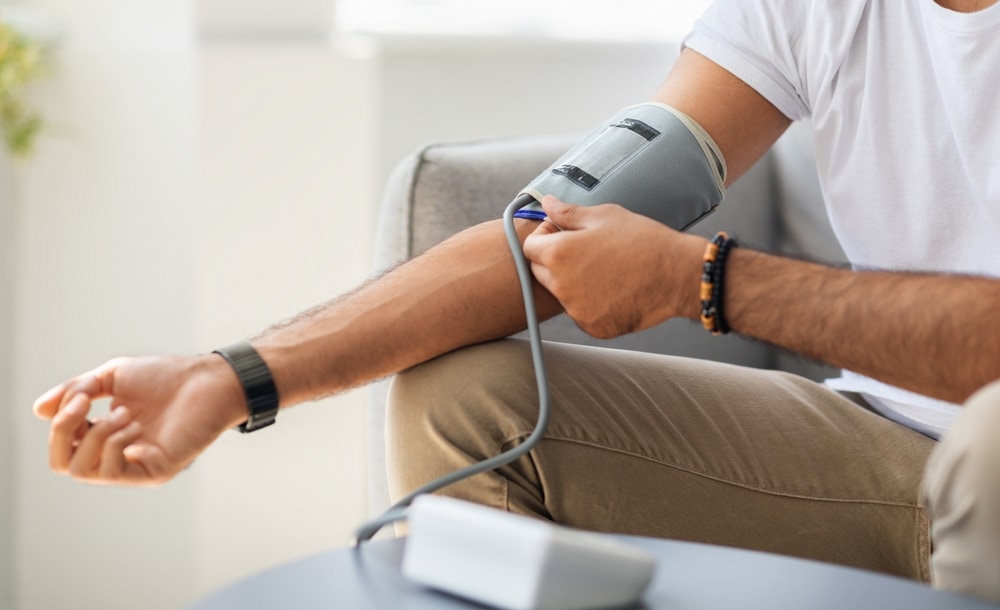 Sudden blood pressure should not be overlooked. (Shutterstock)
You need to look out for blood pressure spikes. The doctor explained that fine pollutants can enter the bloodstream and trigger a chain reaction which unnaturally pushes your blood pressure up.
He shared, “Fine particles can make blood vessels less flexible. Pollution exposure may be to blame if your blood pressure suddenly goes up or stays high for no clear reason.”
5. Persistent inflammation or skin problems  Skin troubles like reddness show up. (Pexels)
Skin irritation might feel like a simple skincare issue, but it signals how polluted air is triggering your body’s internal inflammation.
The neurologist elaborated, “Pollution can make the body inflamed, which can show up as skin irritation and redness. This inflammation inside the body can make the walls of blood vessels weaker, which makes them more likely to get blocked and break.”
The neurologist advised using air purifiers and keeping your heart healthy through regular exercise and a balanced diet to reduce long-term risks.
Note to readers: This article is for informational purposes only and not a substitute for professional medical advice. Always seek the advice of your doctor with any questions about a medical condition.